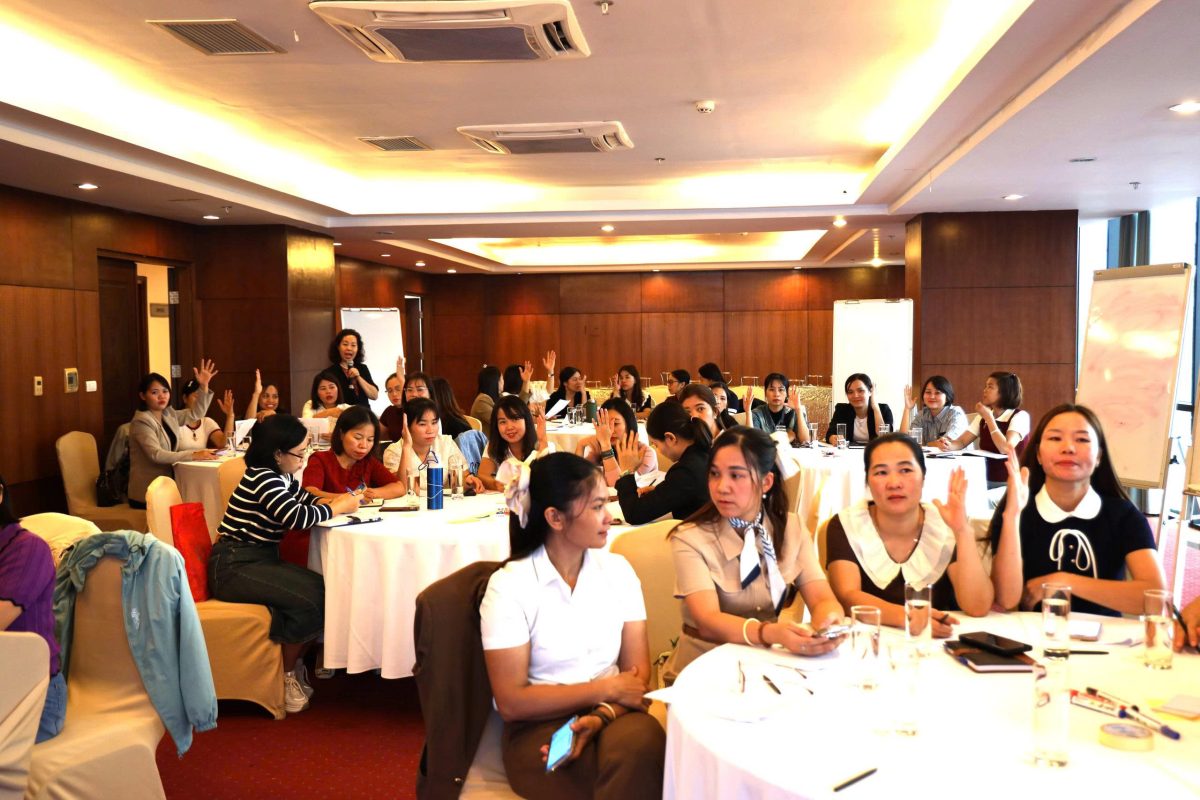
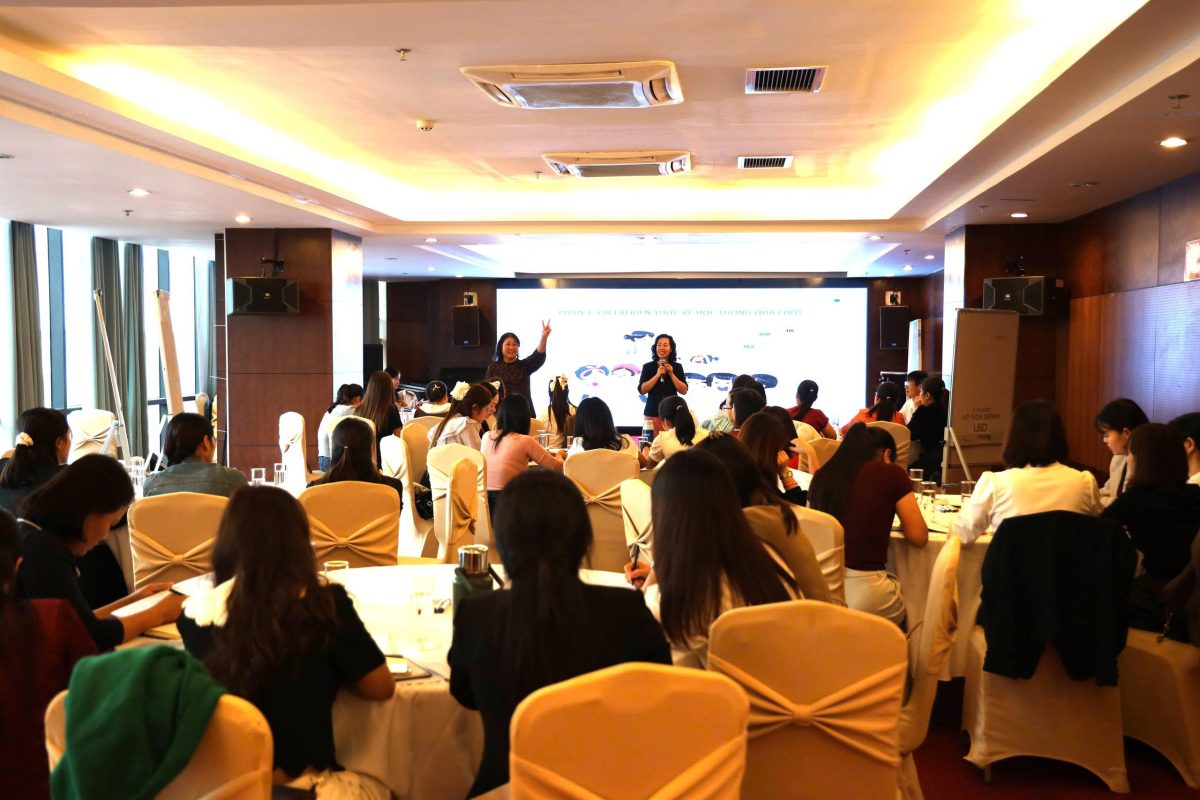
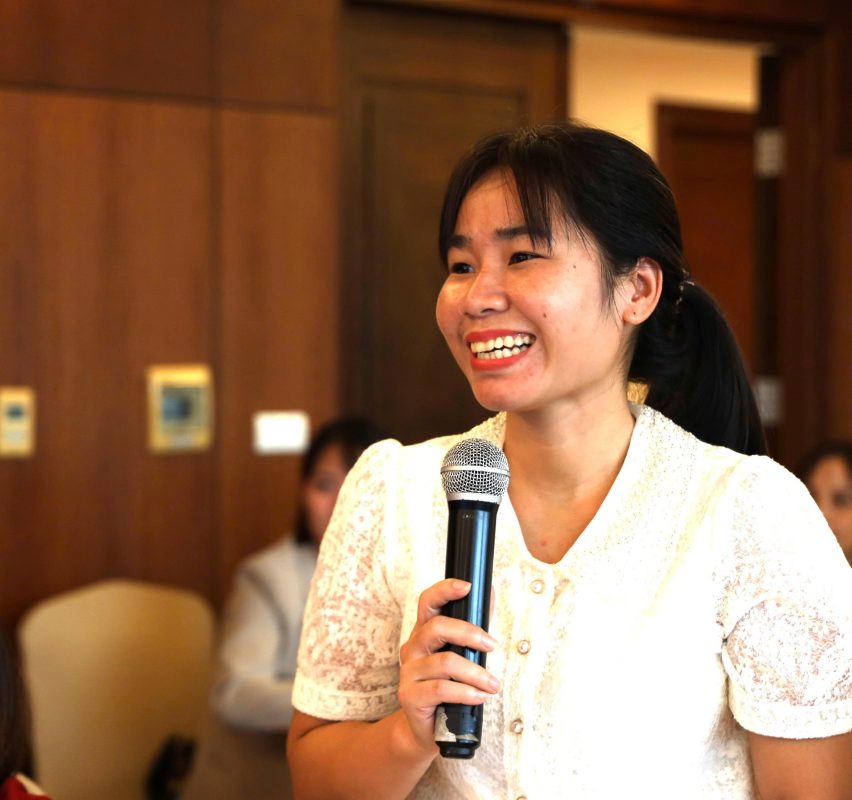
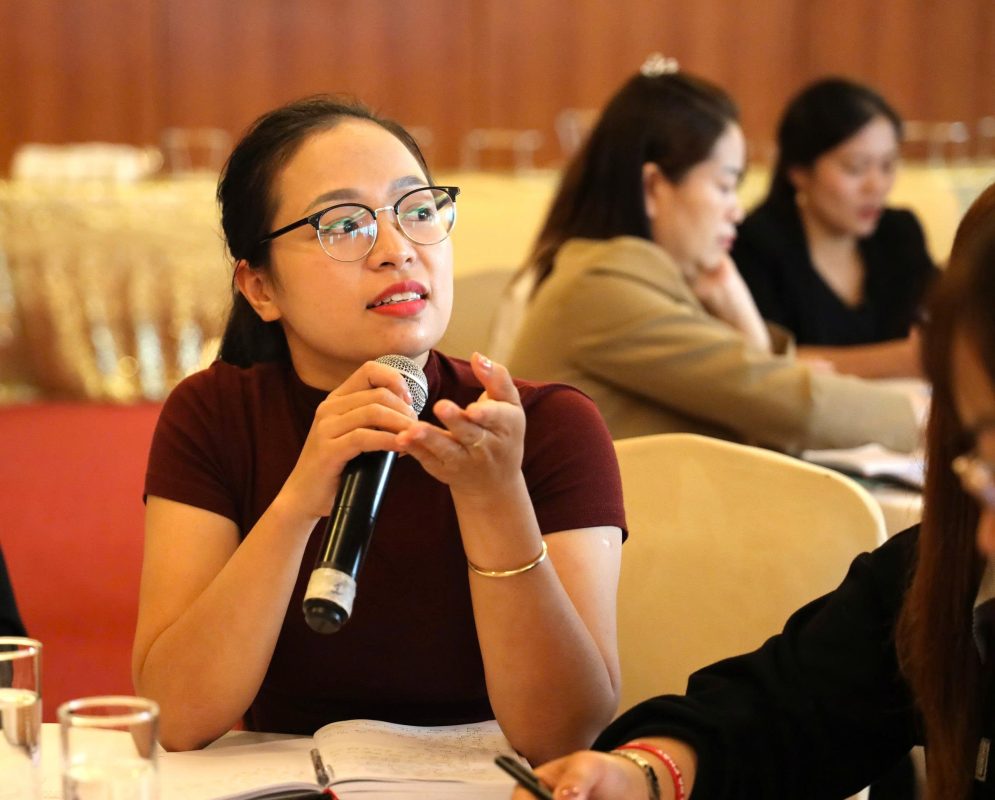
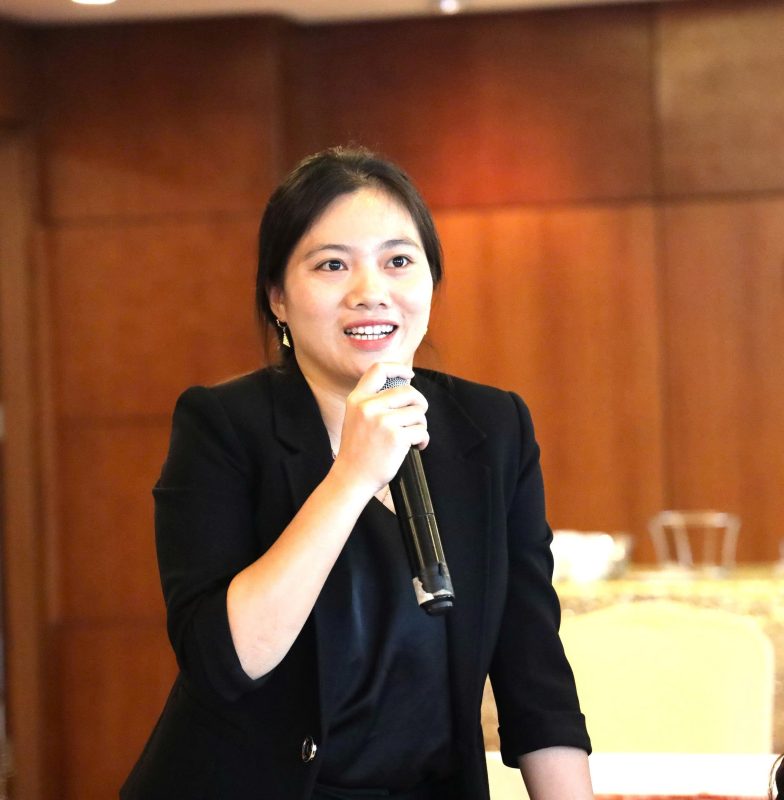
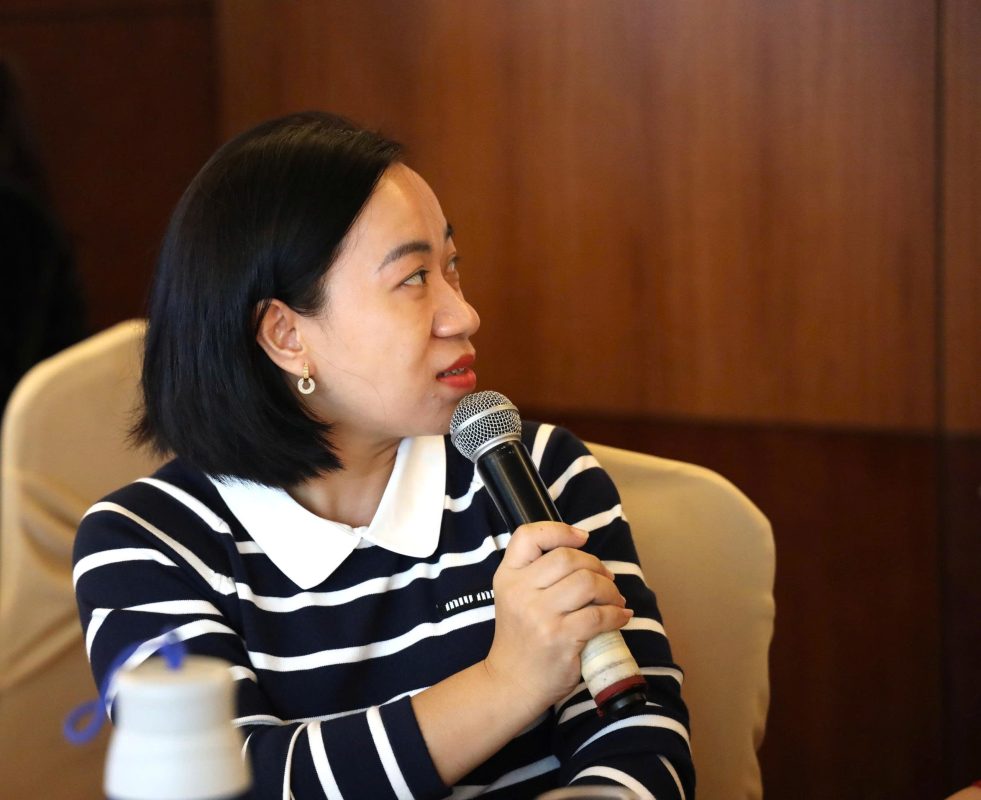
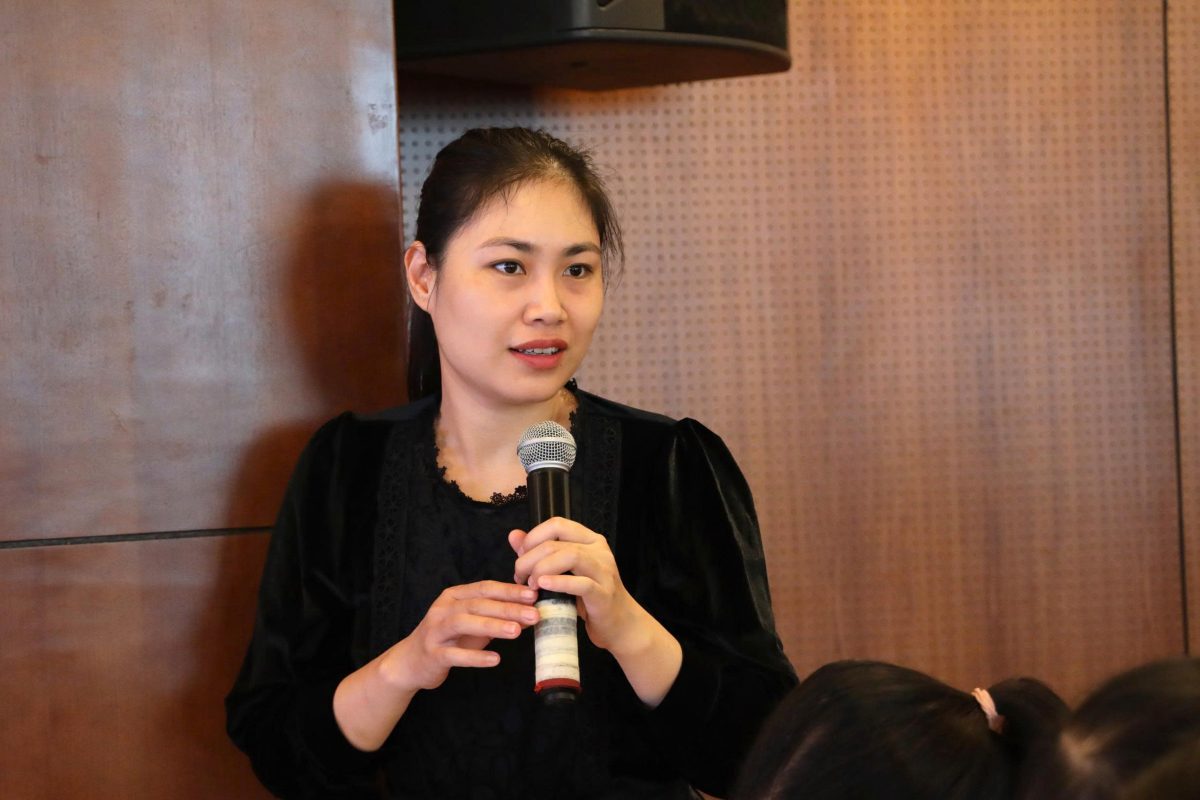
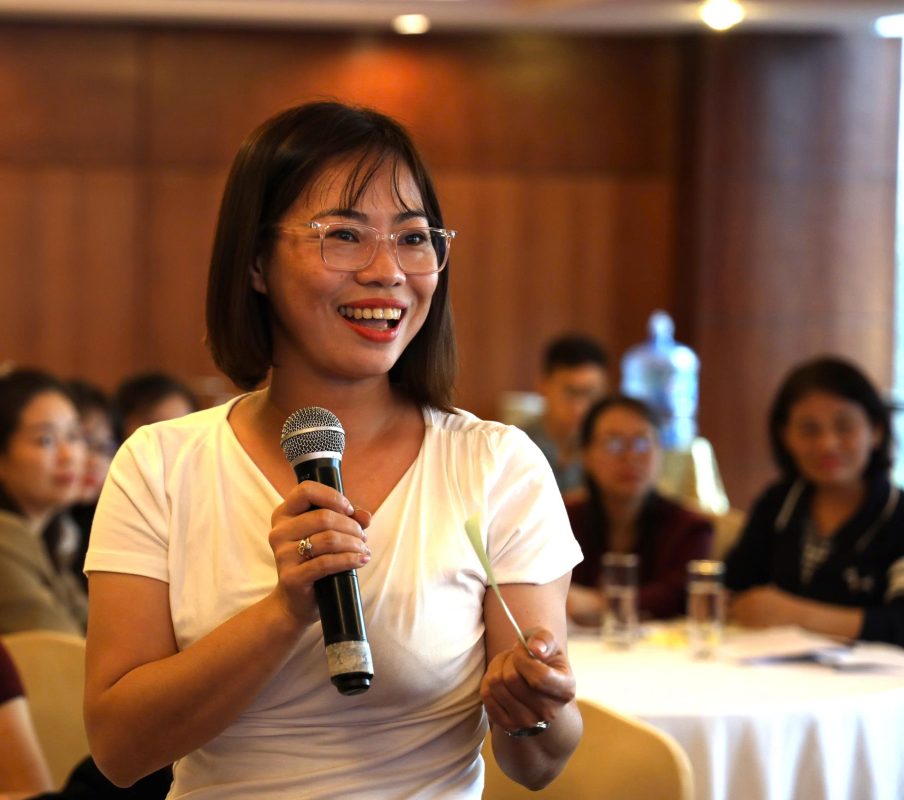
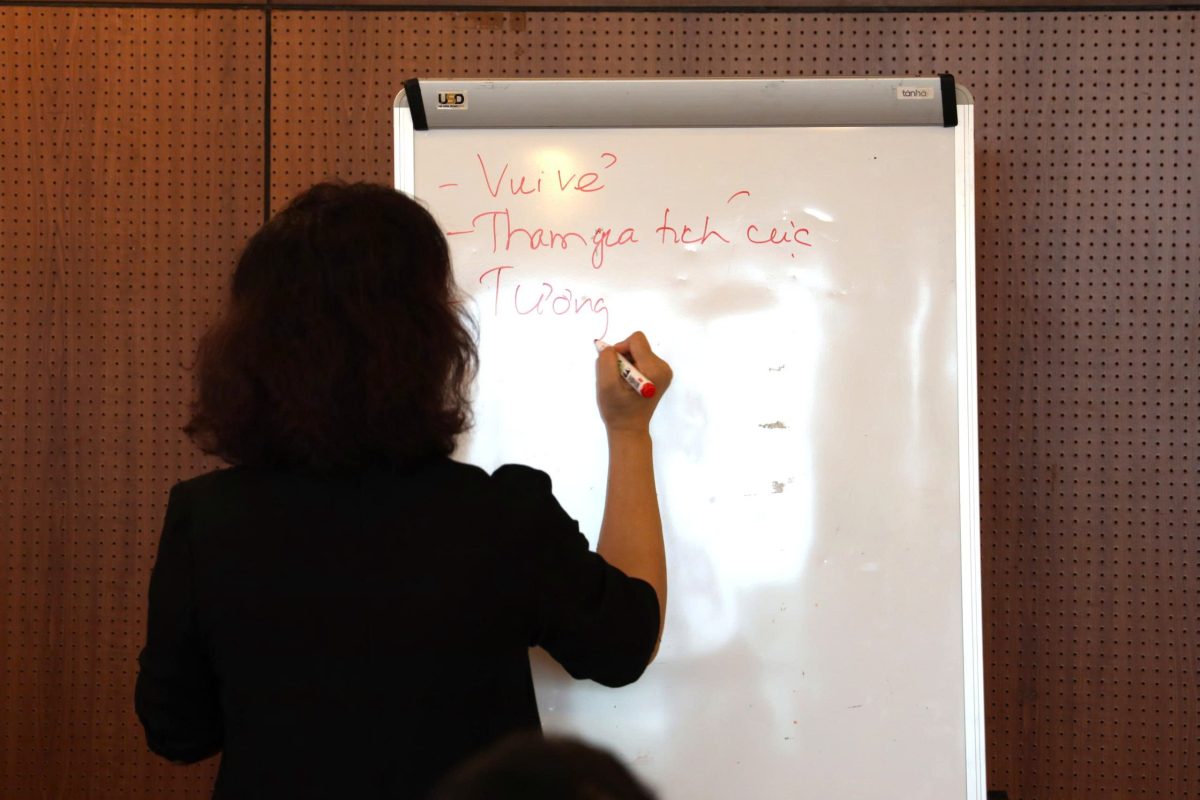
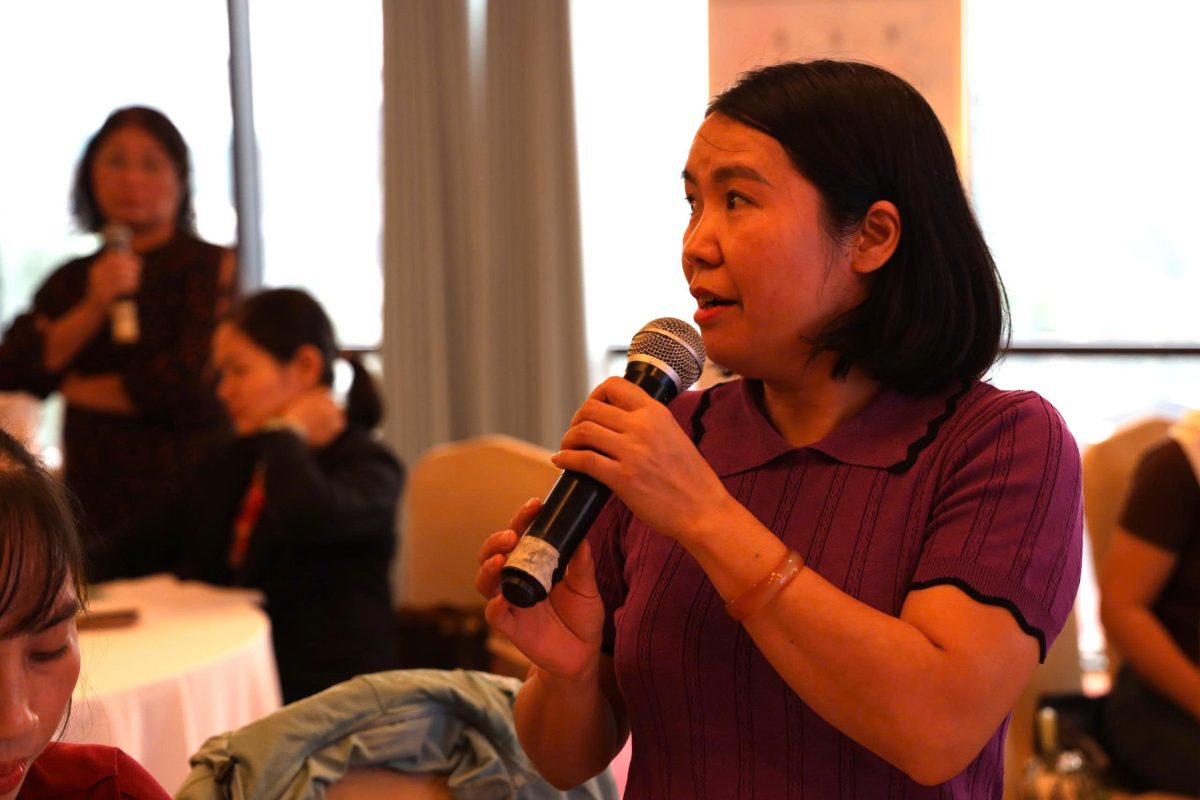
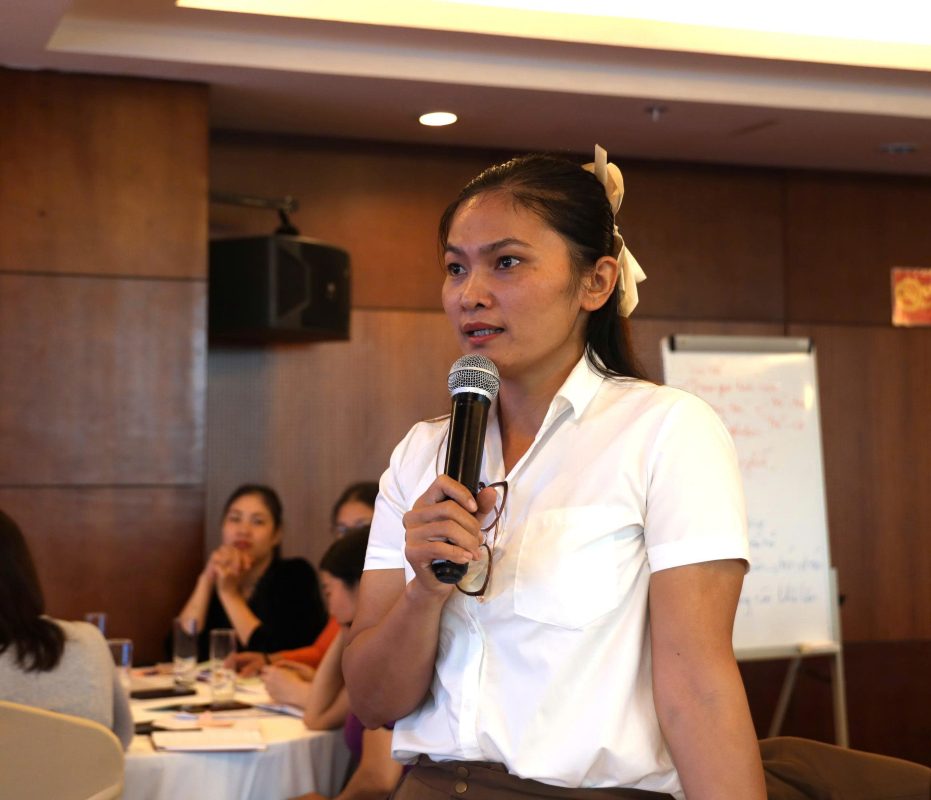
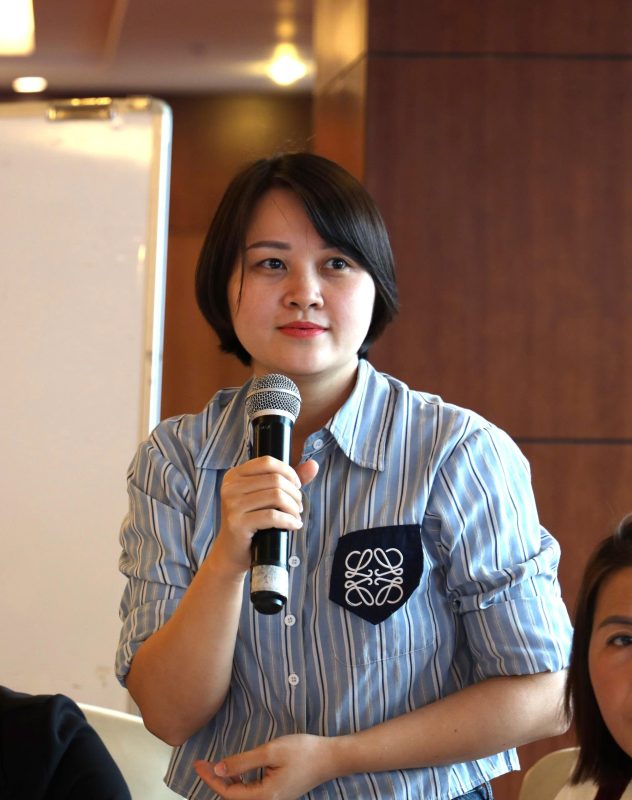
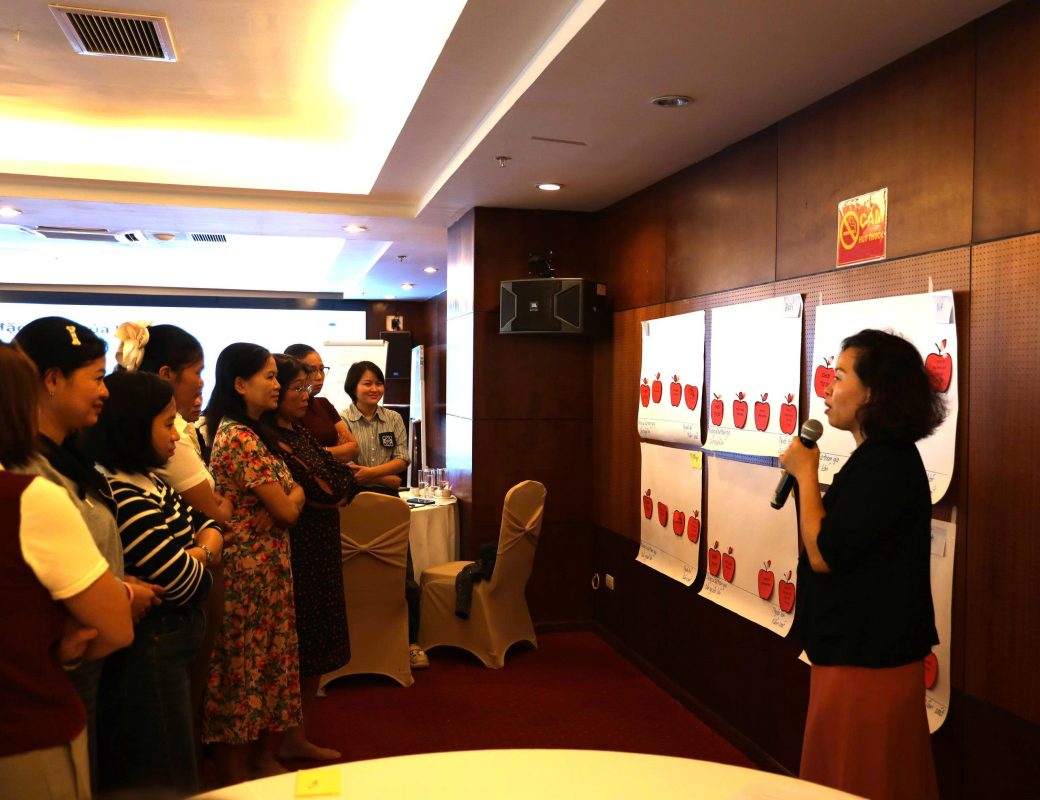
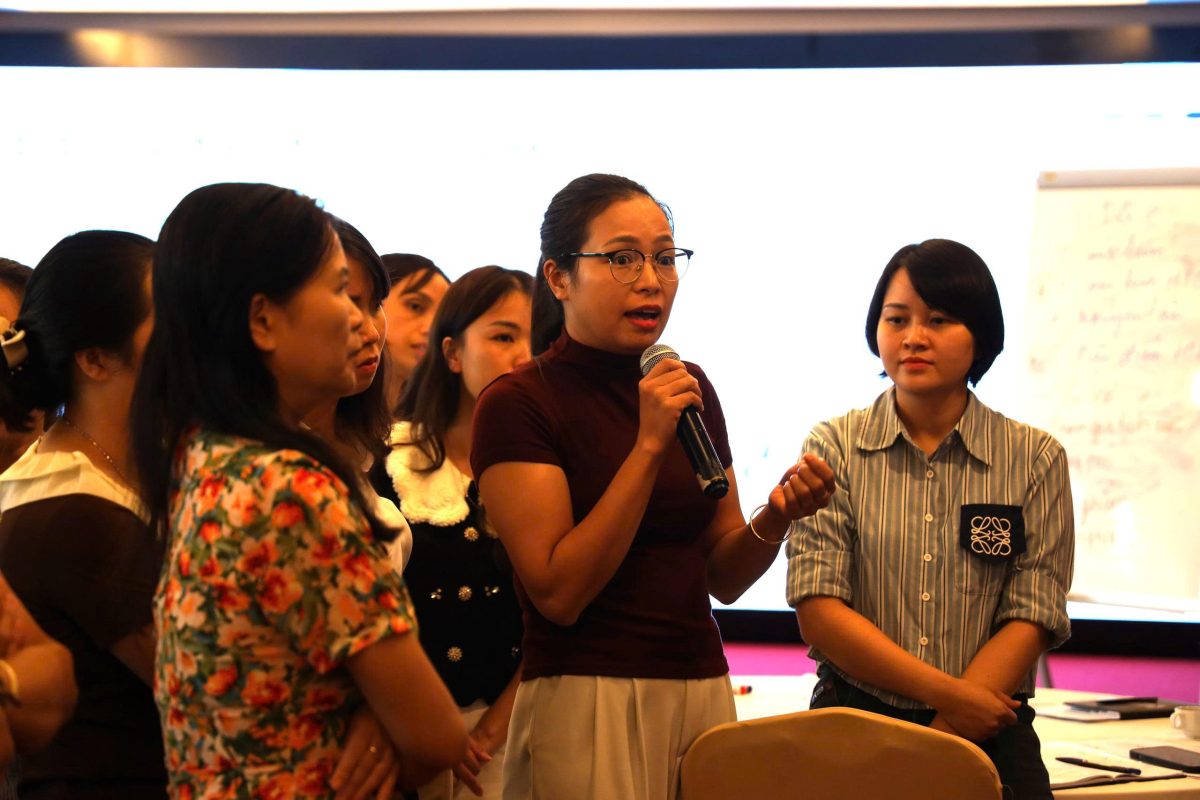
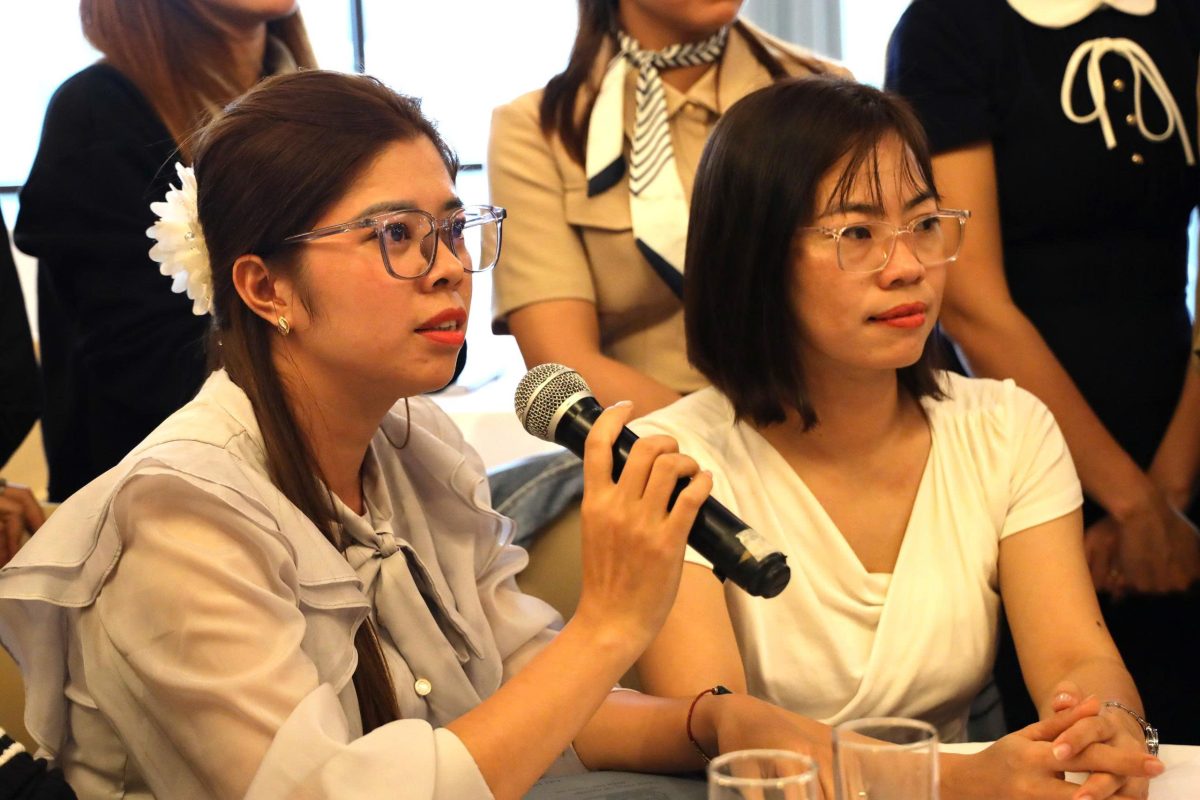
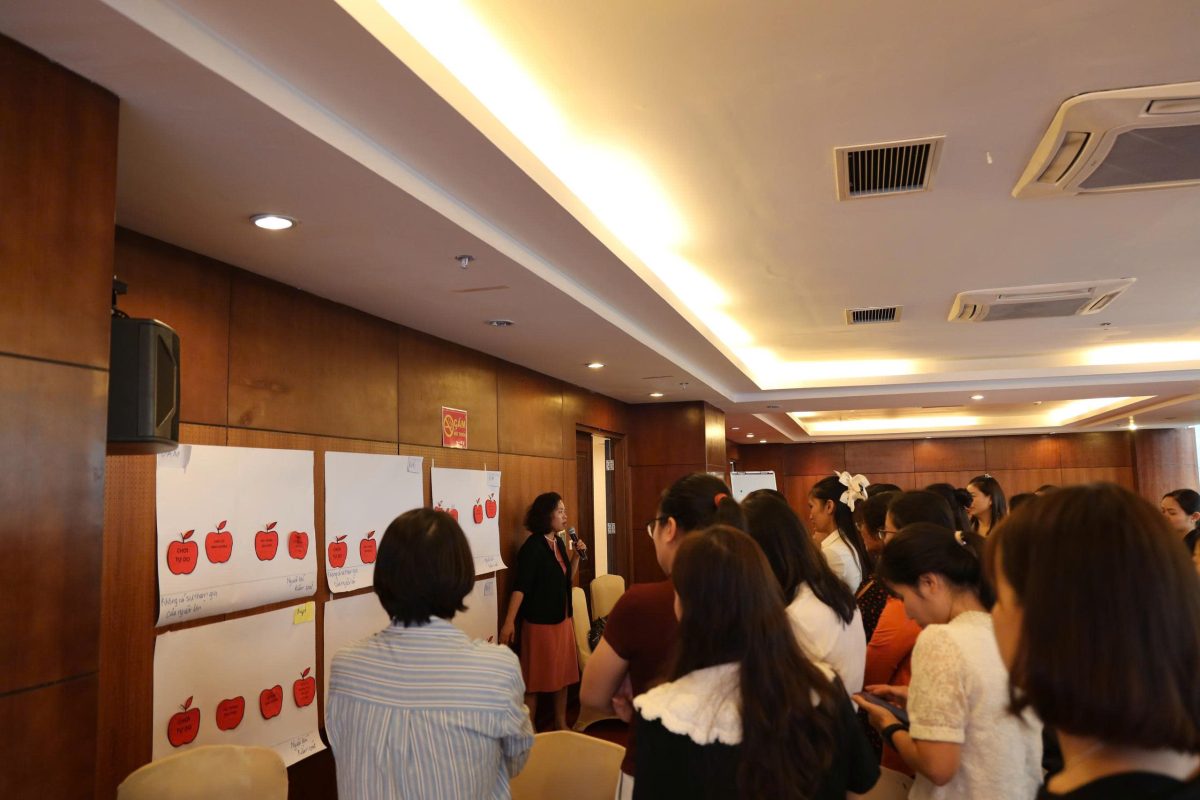
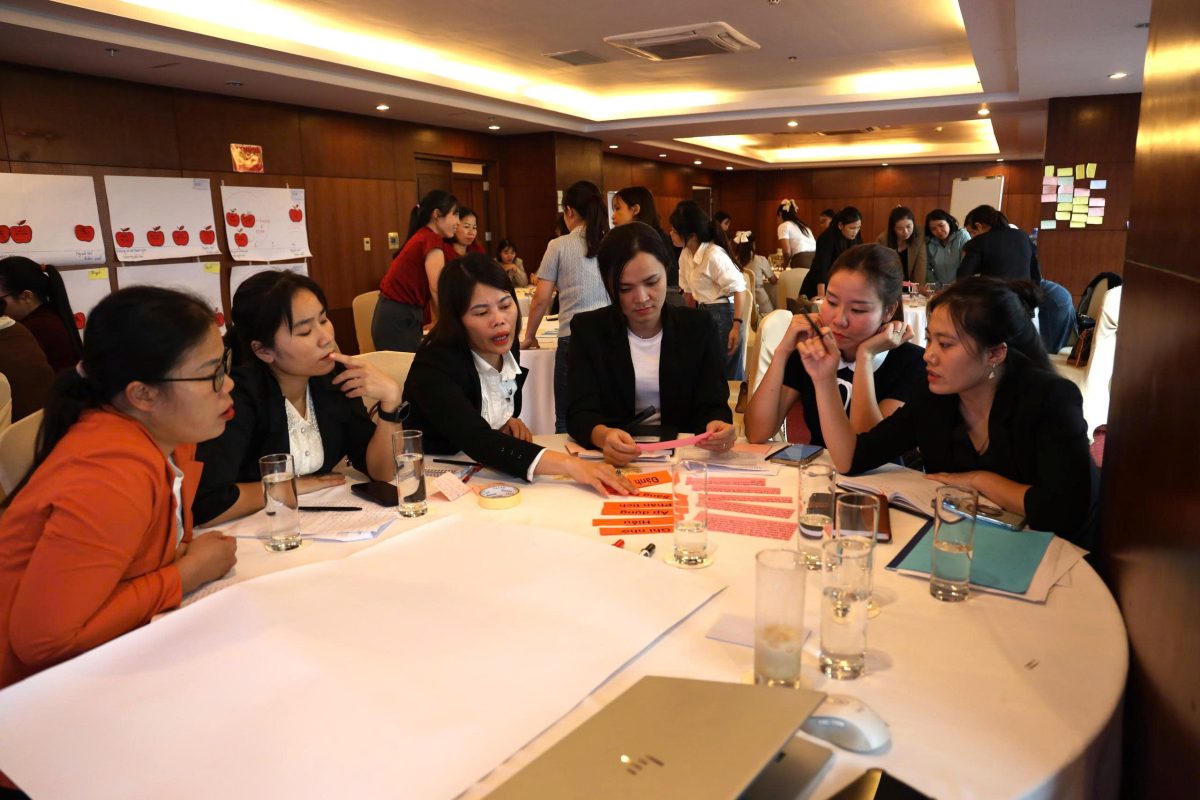
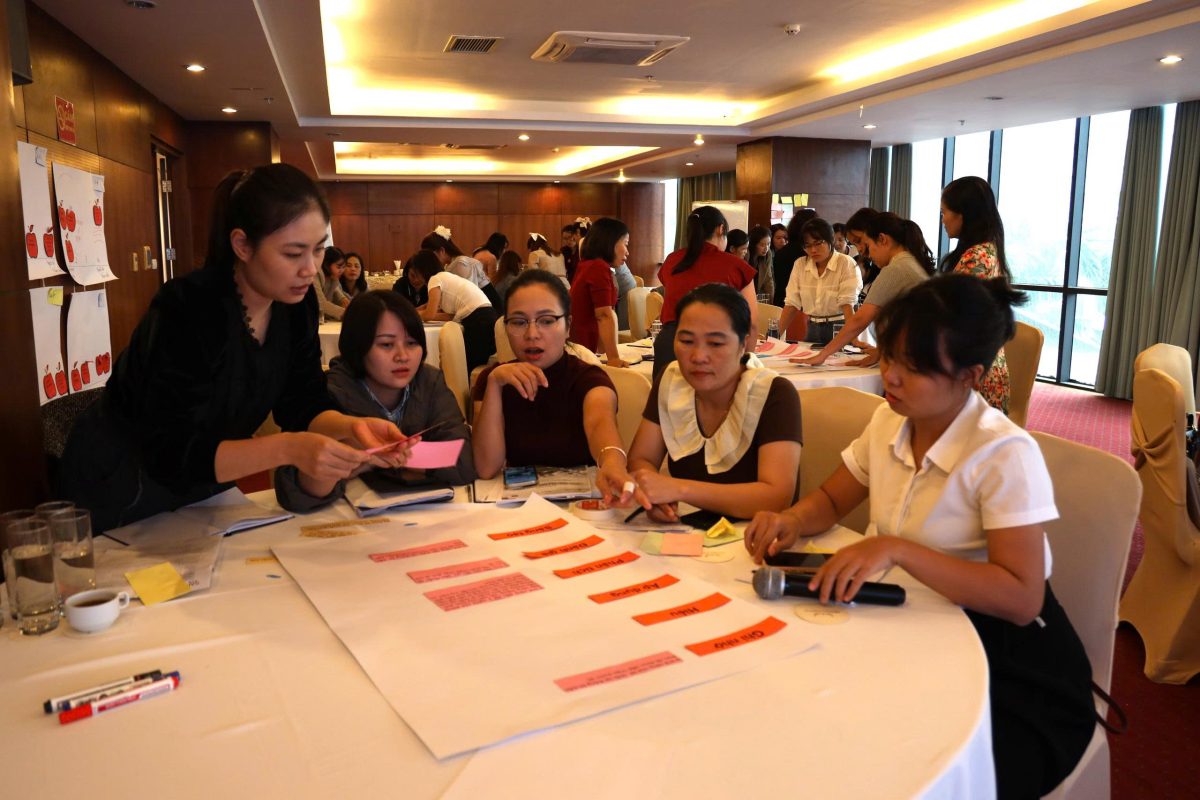
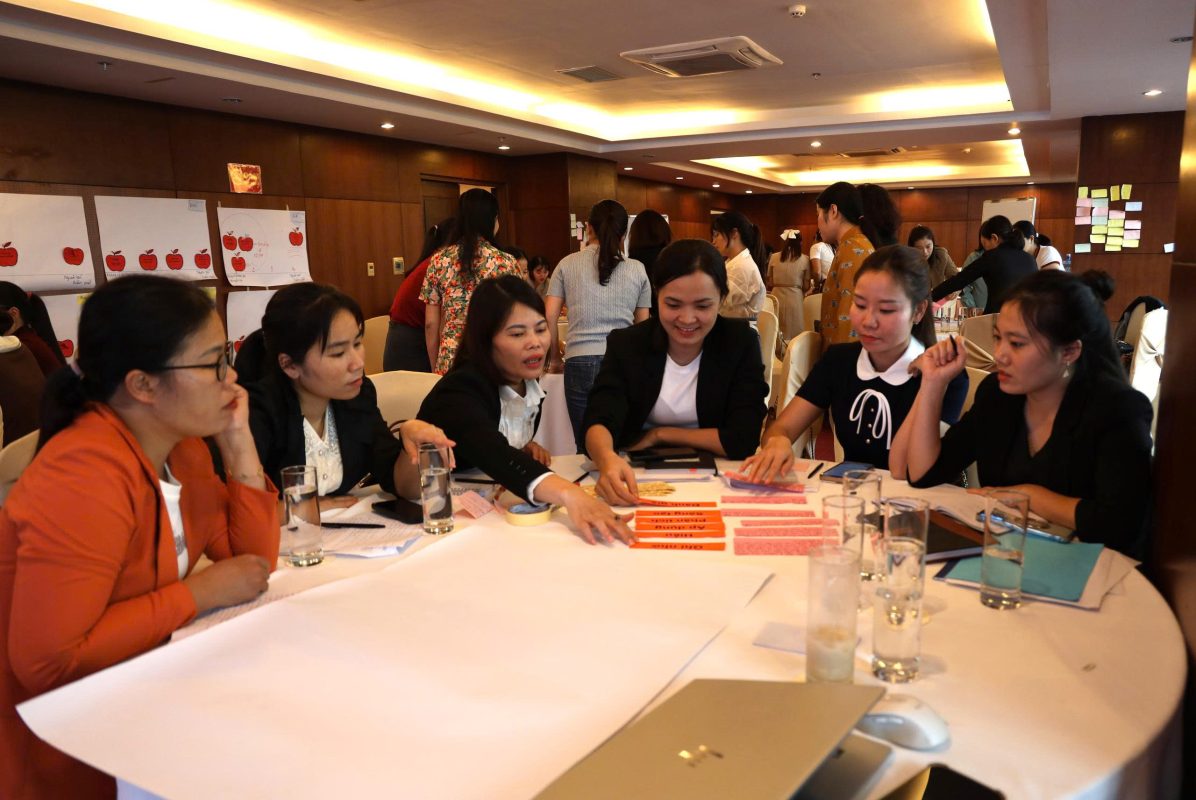
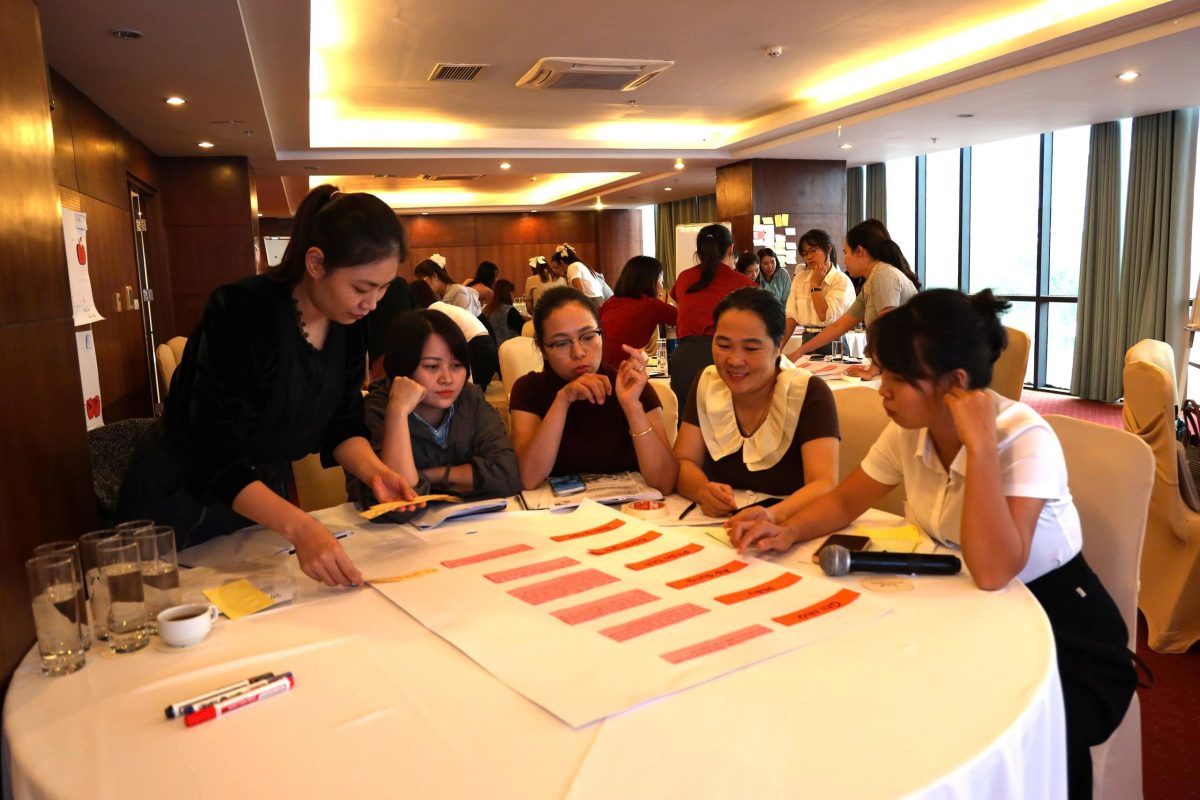
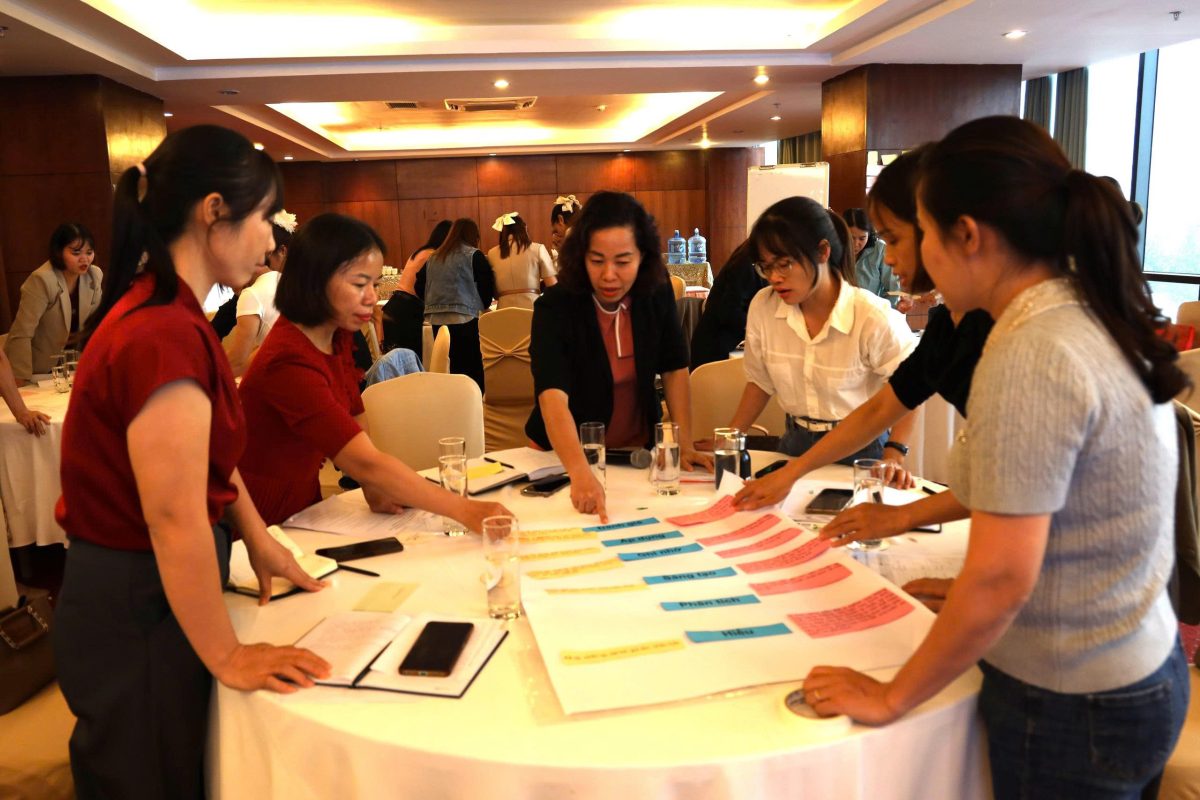
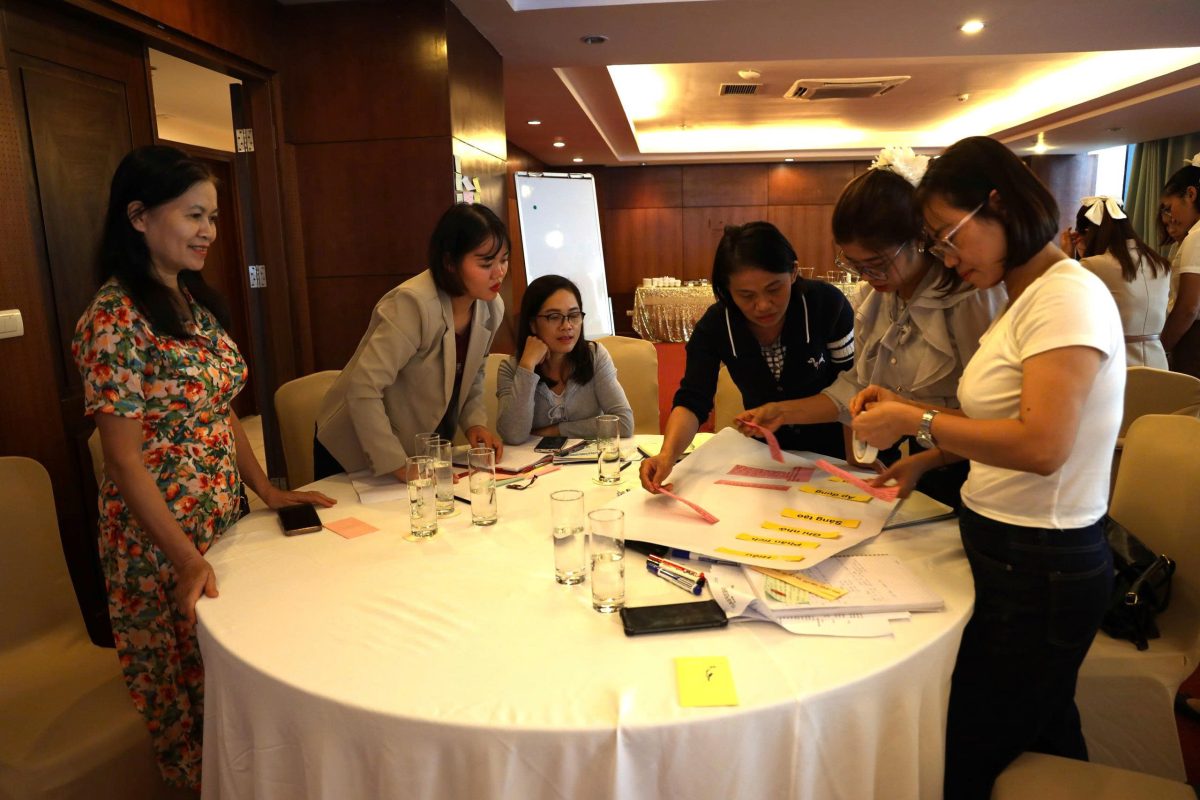
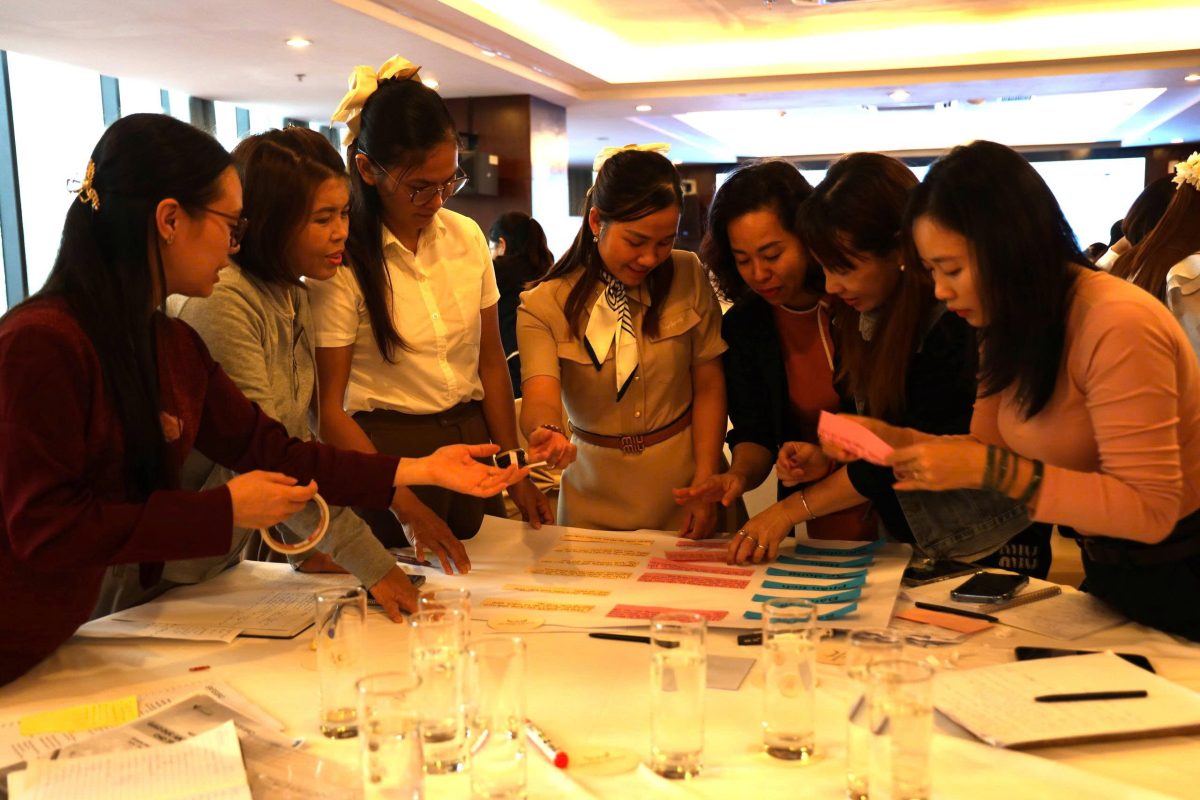
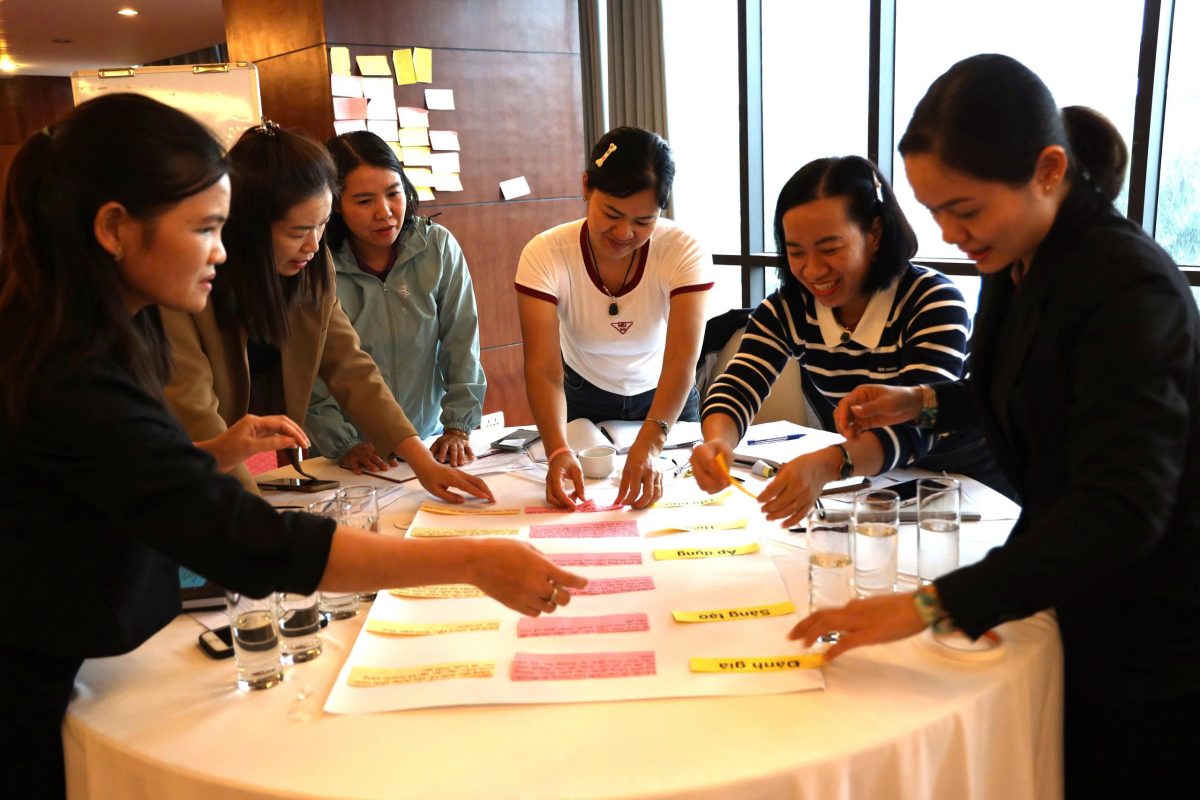
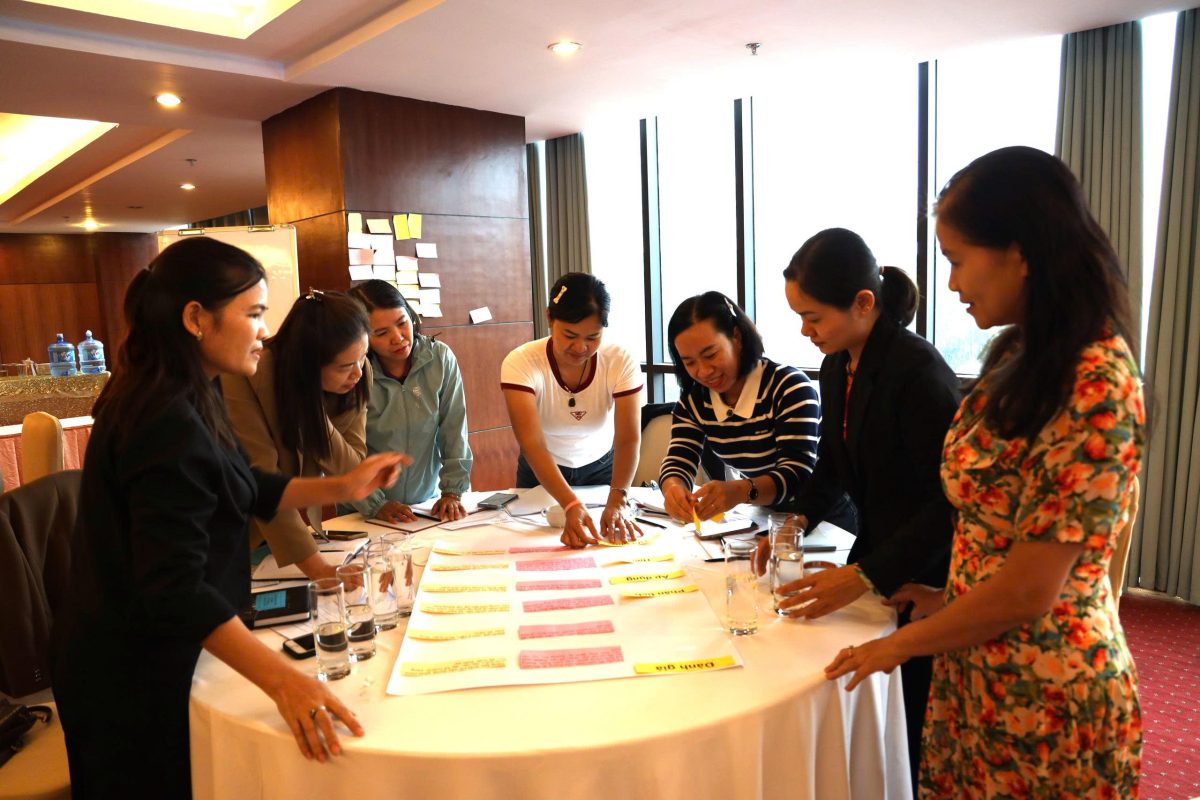
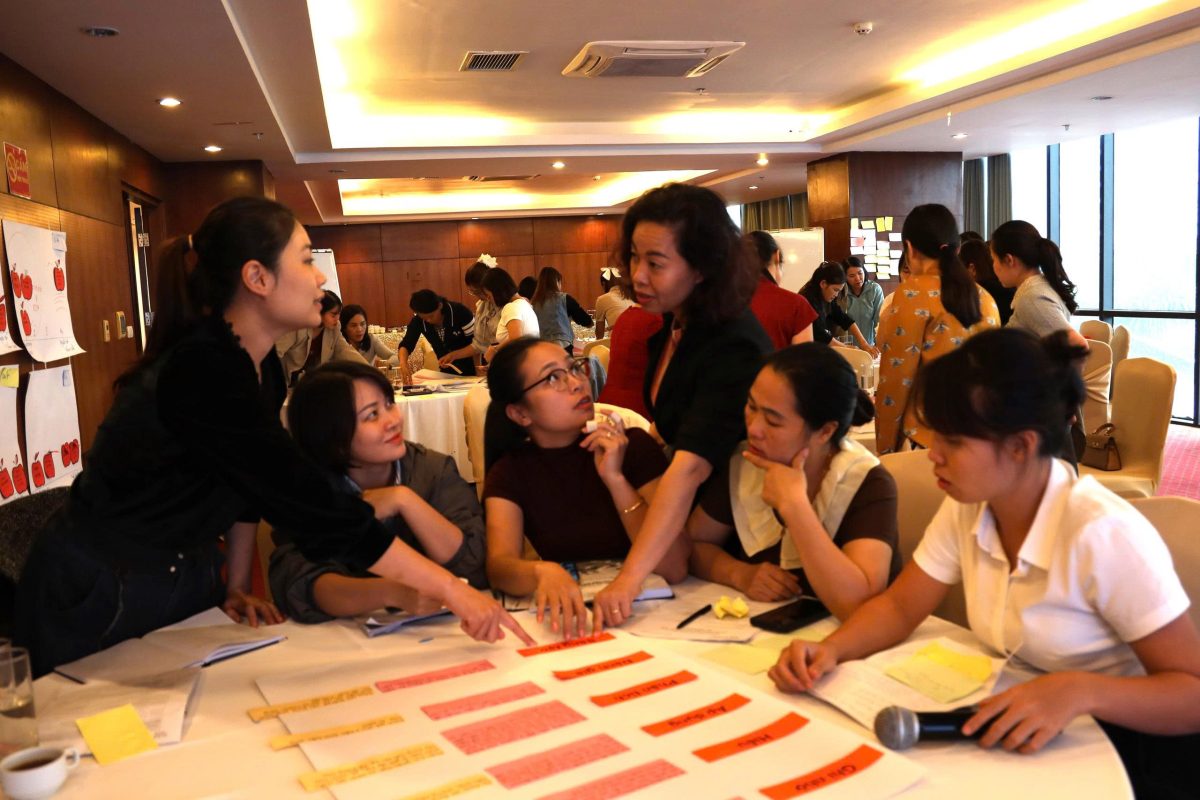
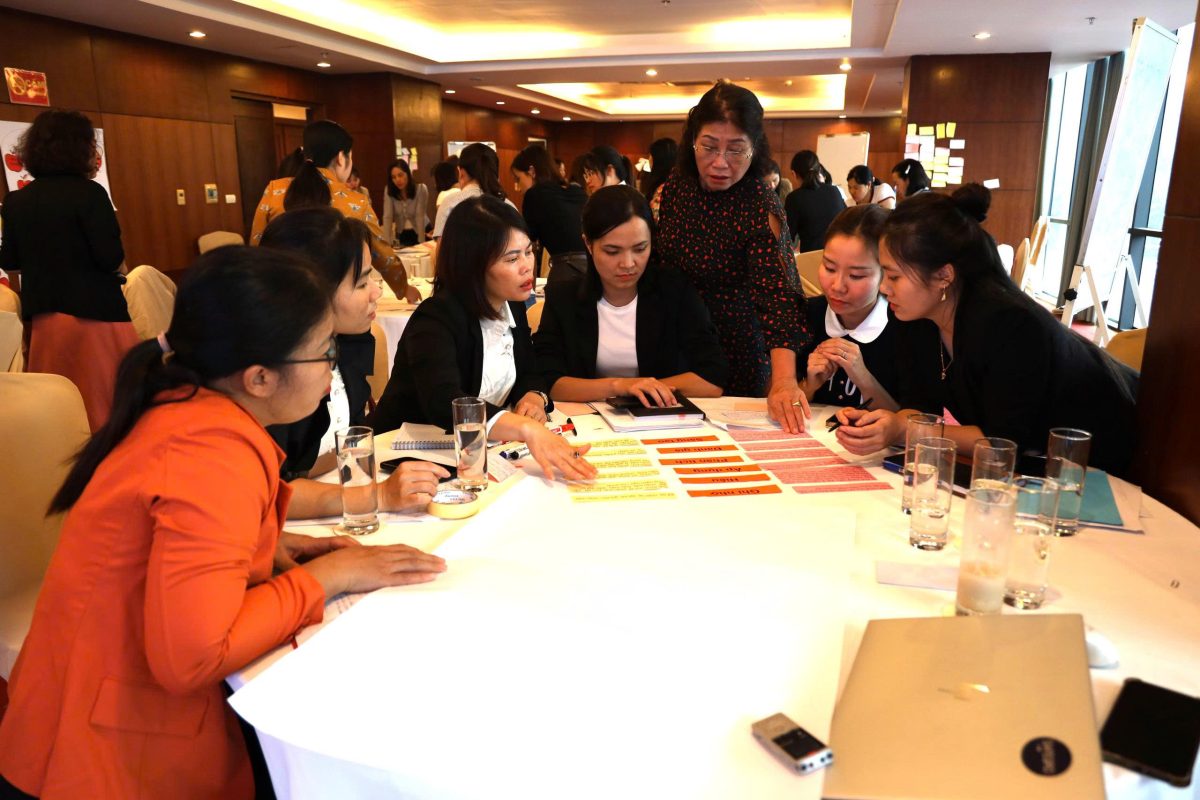
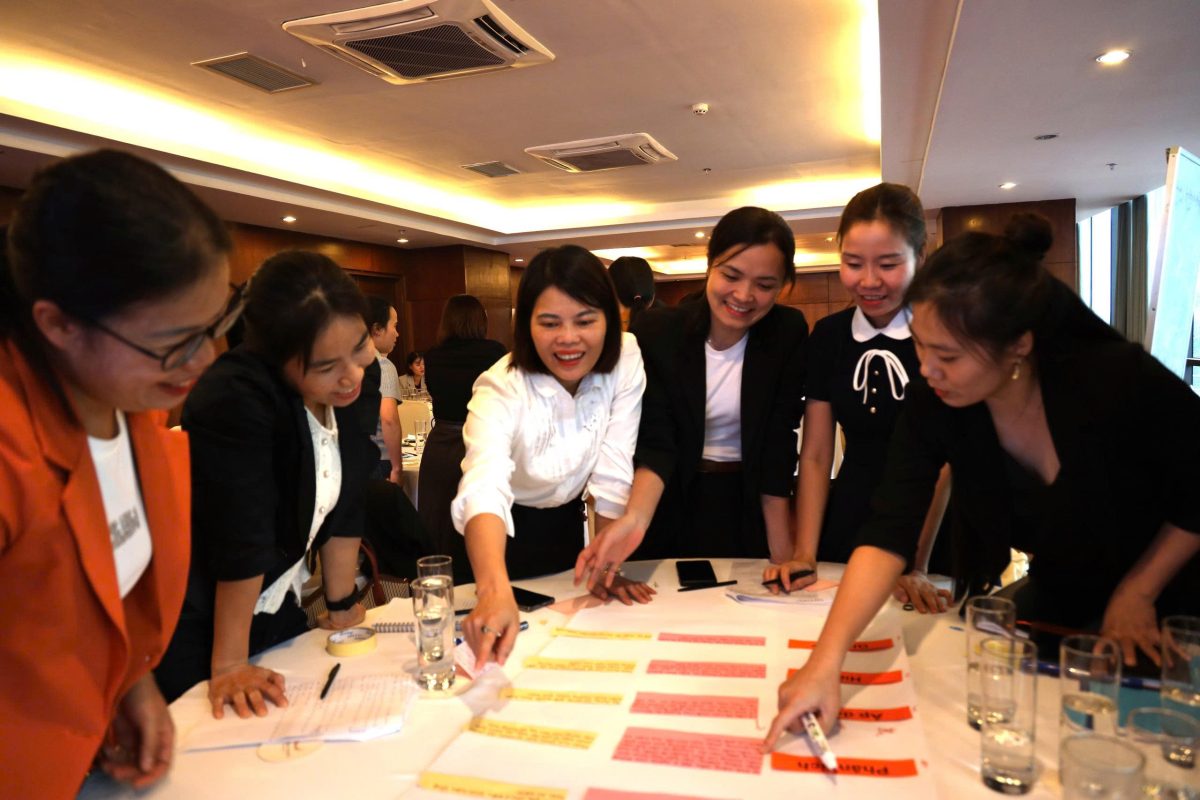
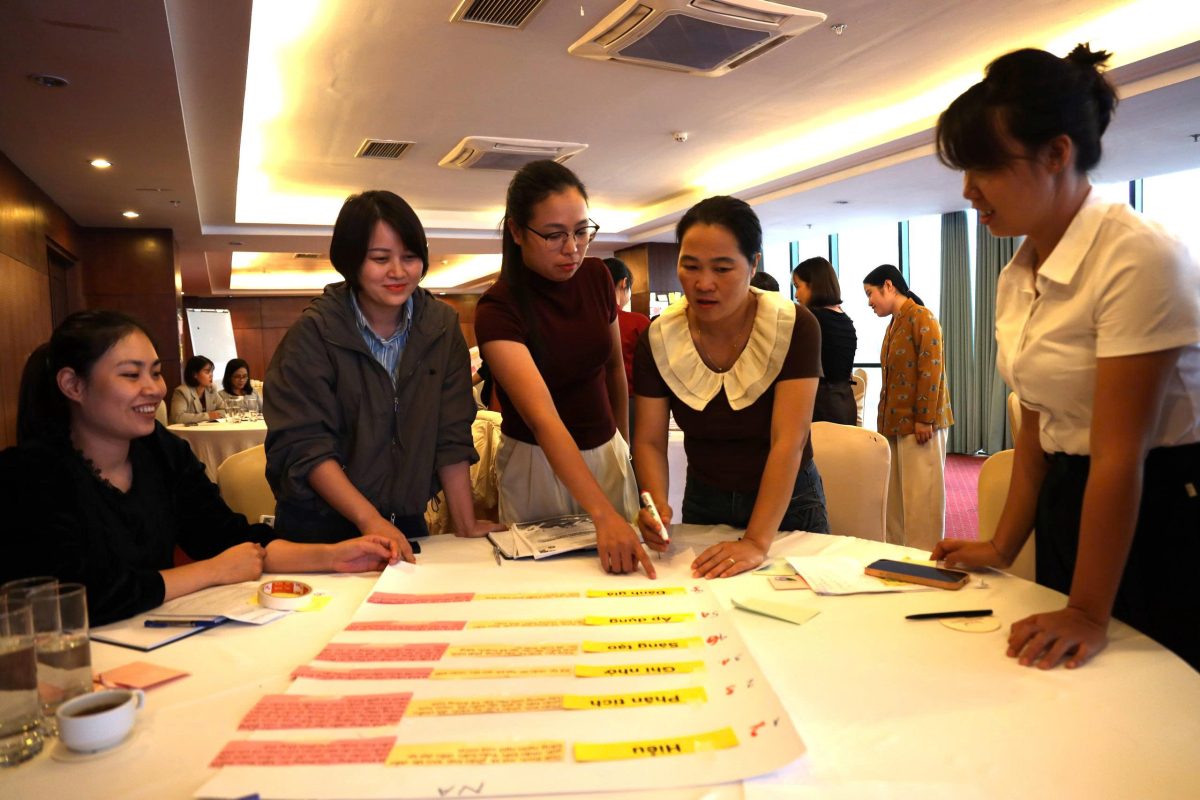
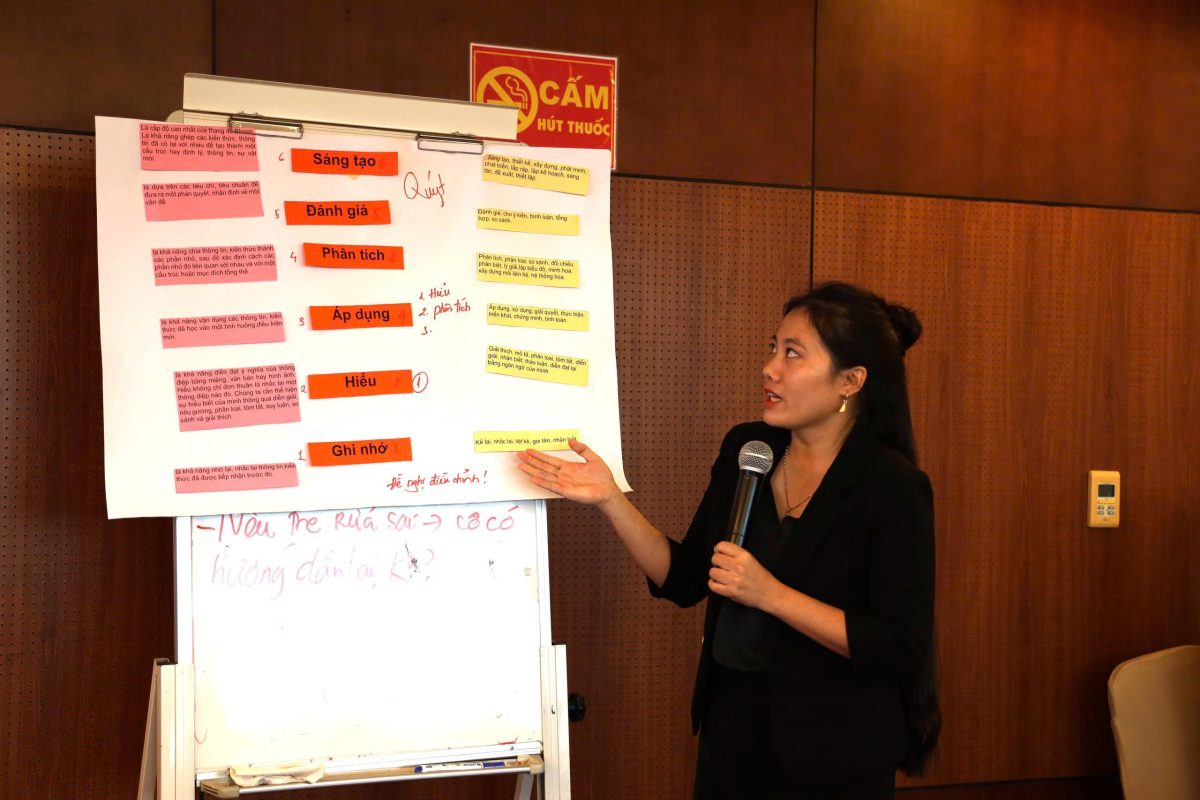
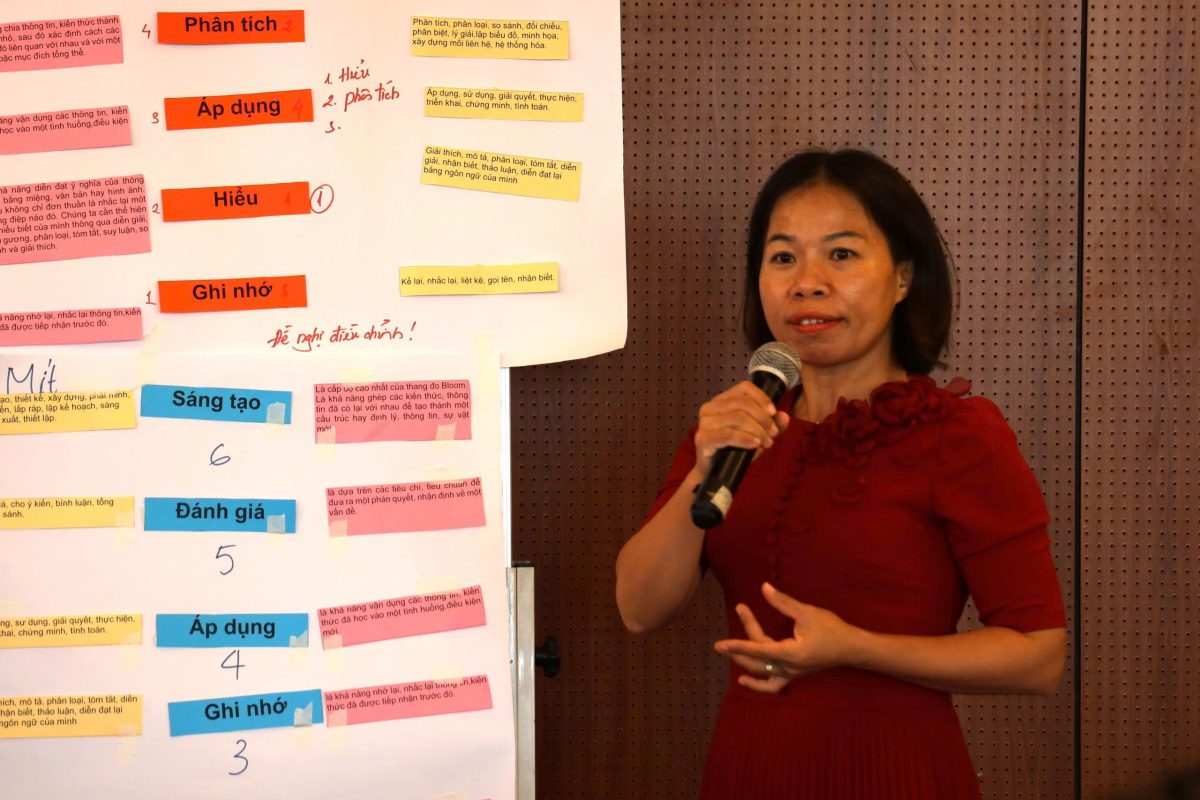
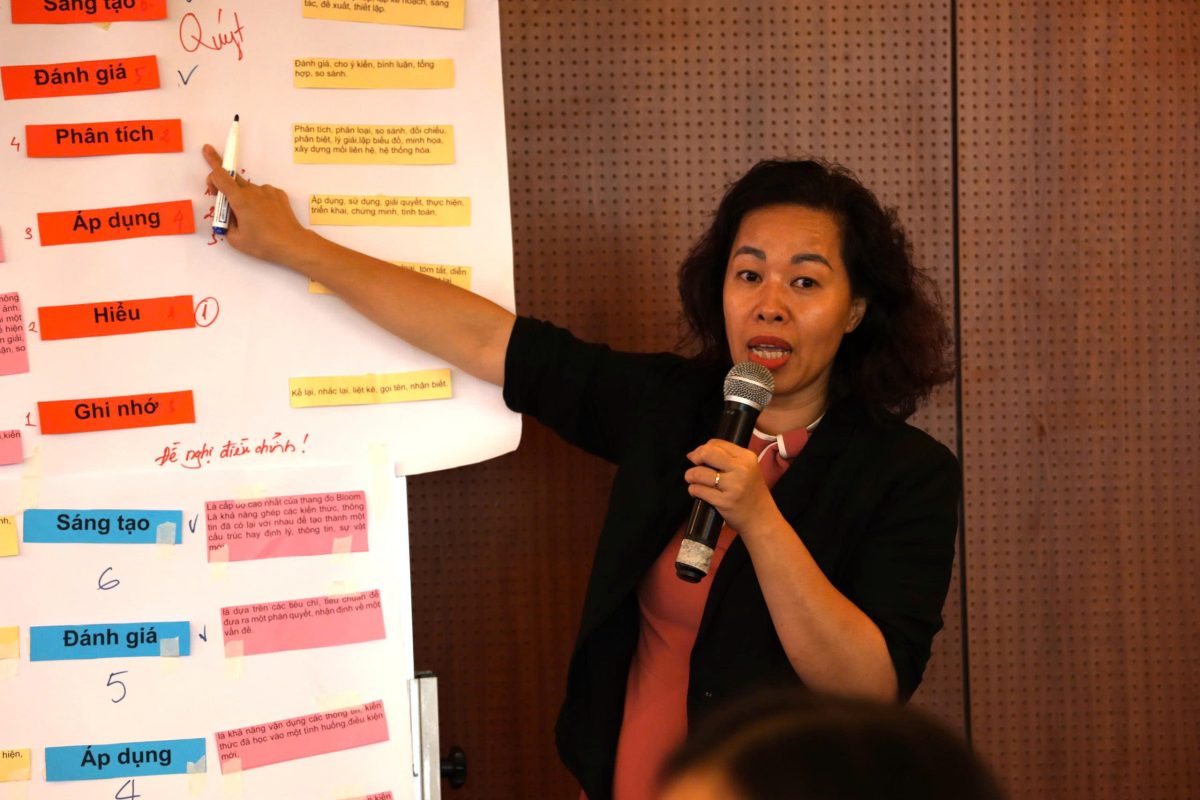
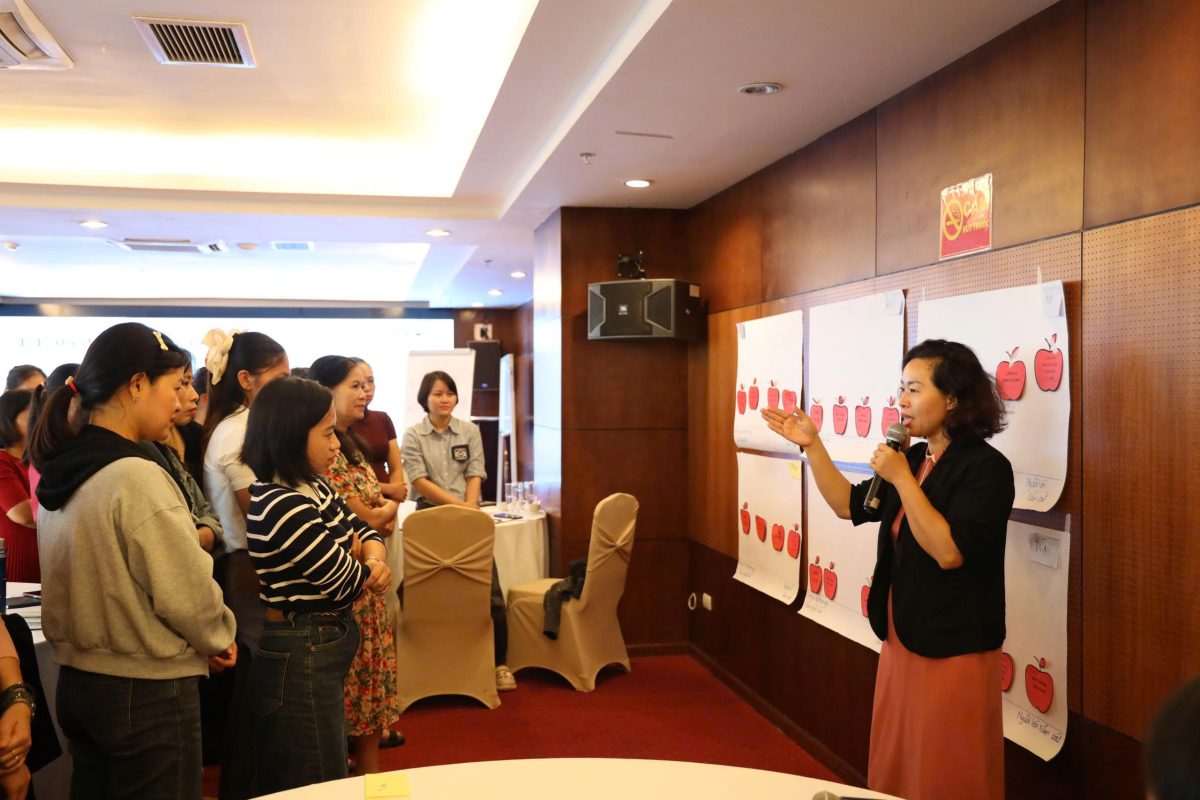
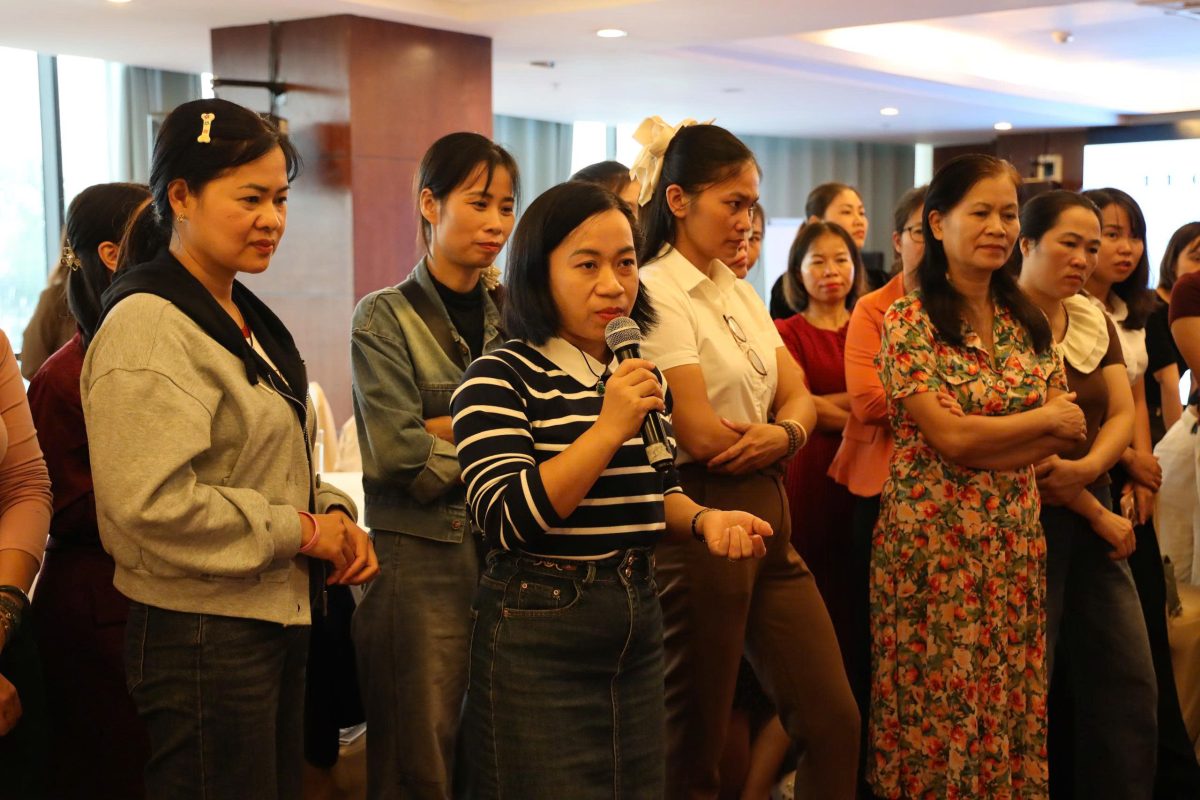
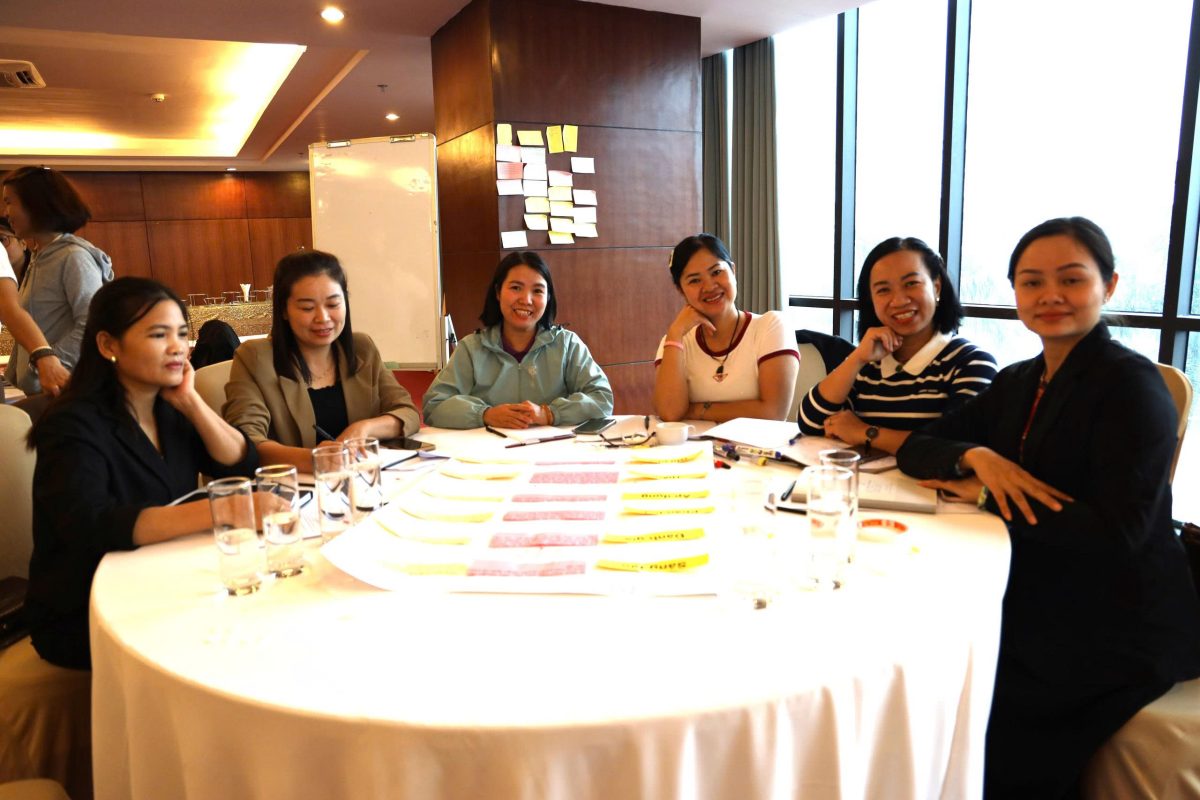
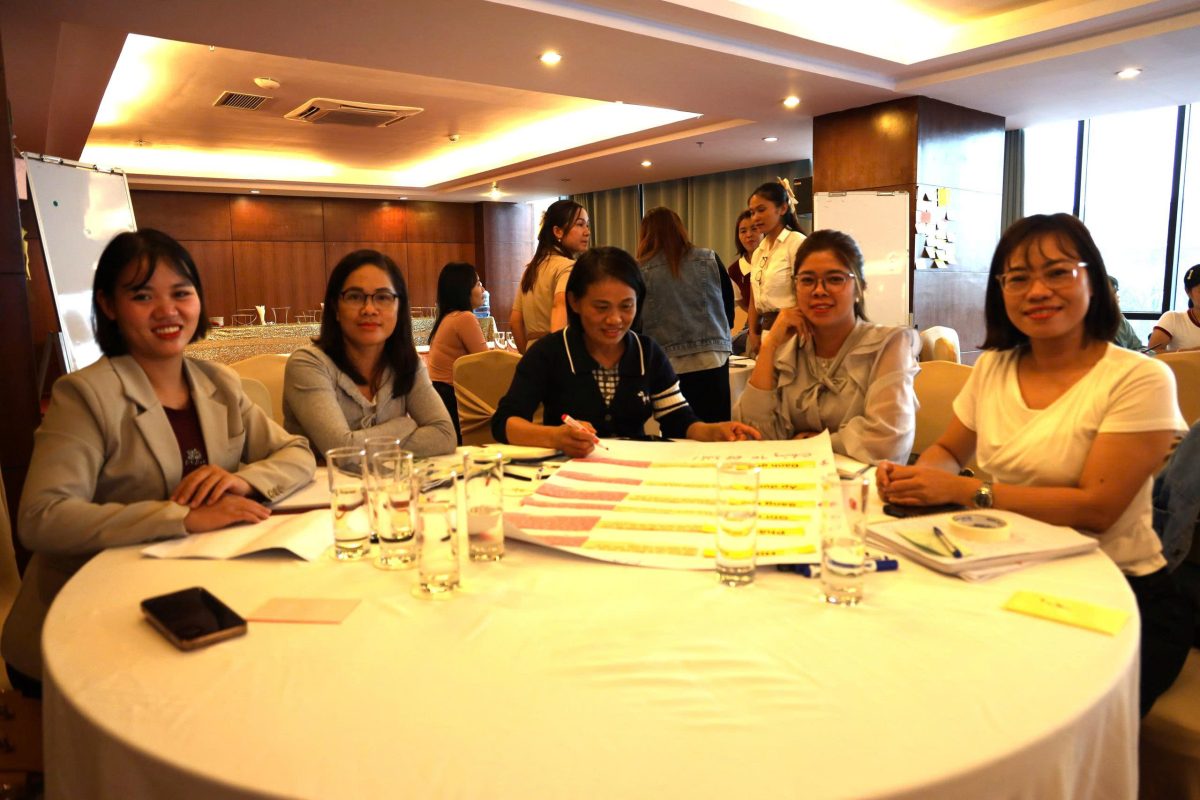
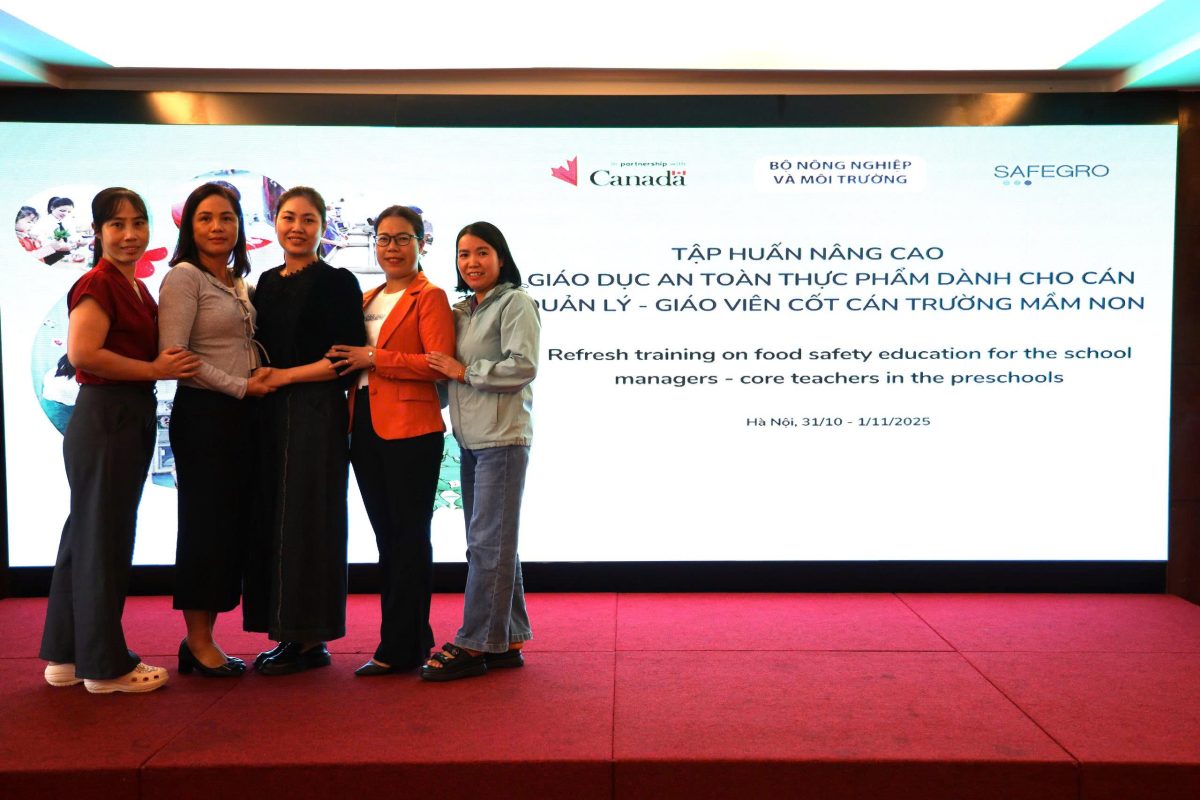
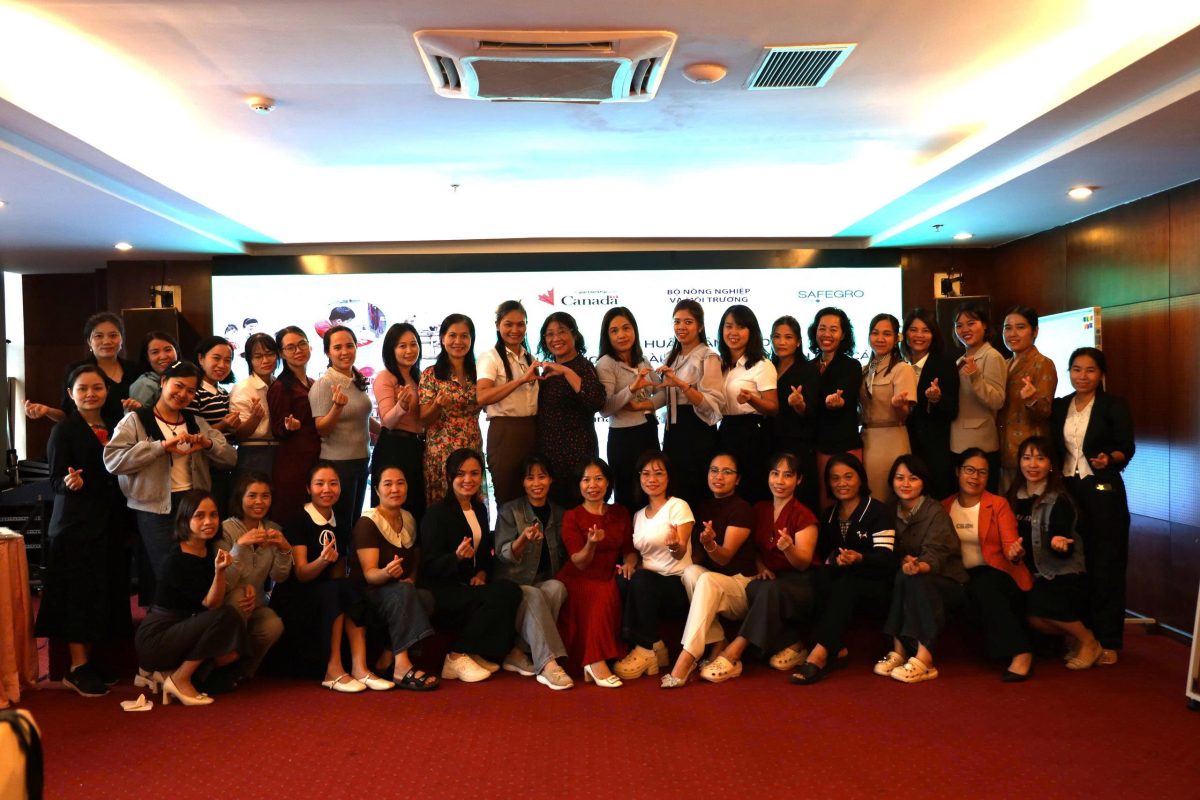
On the morning of October 31, 2025, SAFEGRO launched an advanced training workshop on food safety education for preschool managers and teachers across Hanoi. The activity is part of the 2025–2026 cooperation plan between SAFEGRO and the communes of Thanh Oai, Binh Minh, Tam Hung, and Dan Hoa (formerly under Thanh Oai District). It aims to promote the integration of food safety education into preschool programs through the Learning through Play approach, contributing to raising awareness and changing behaviors related to food safety within the community.
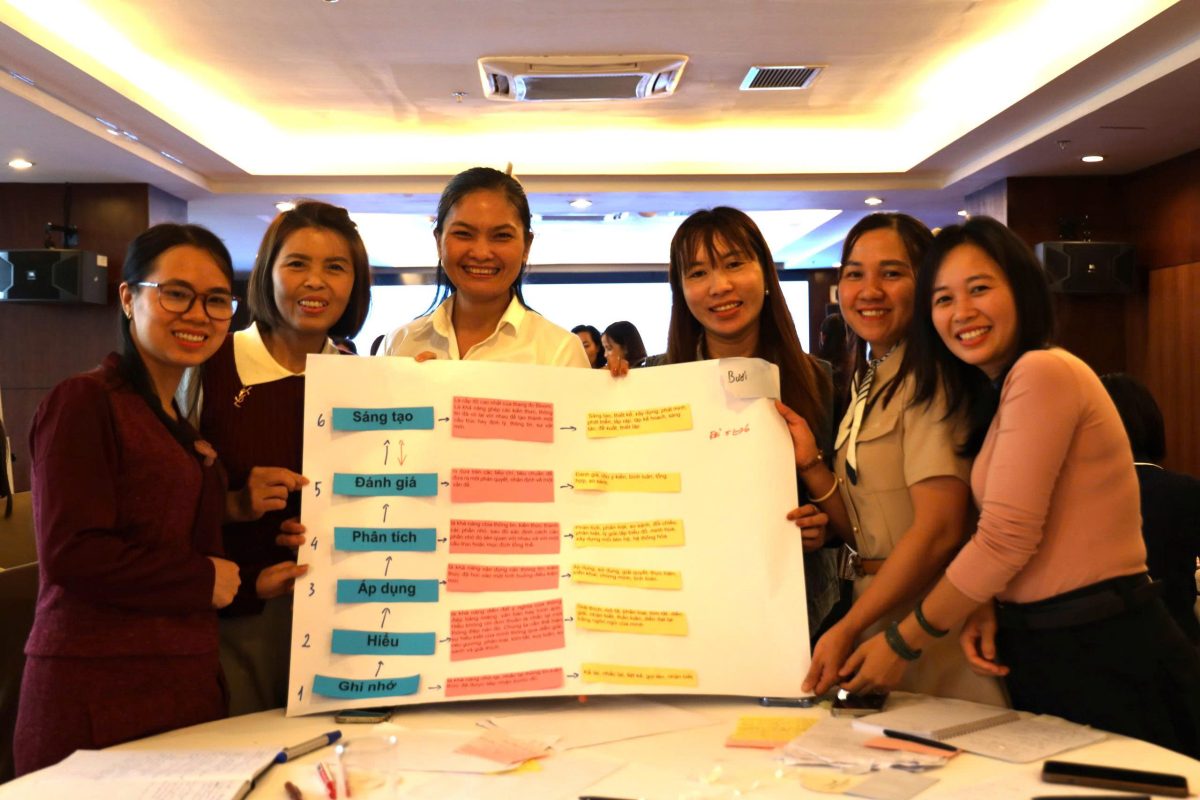
Nearly fifty preschool teachers took part in a training workshop organized by SAFEGRO, focusing on food safety education through Learning Through Play (LTP). The program aimed to help teachers understand, practice, and apply tools such as Bloom’s Taxonomy, the SMART goal writing framework, and various LTP based techniques to design educational activities that teach food safety in a natural, engaging, and effective way.
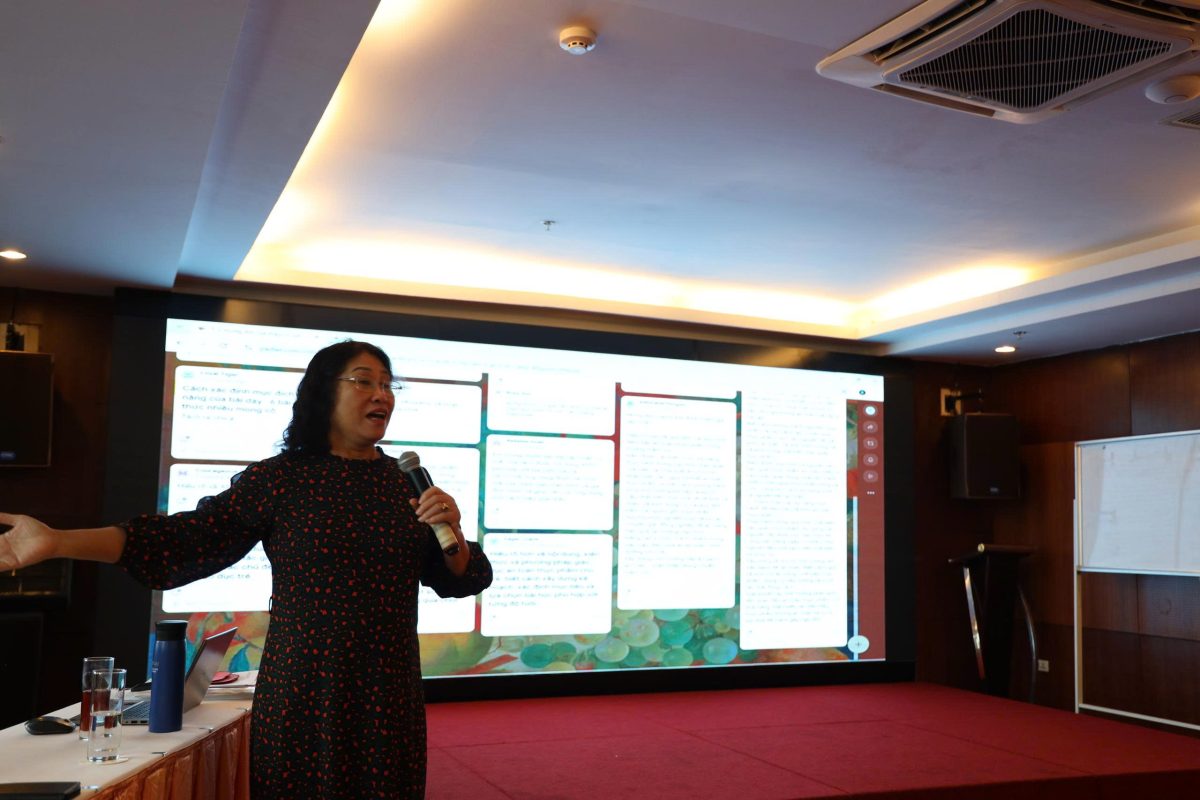
Expert Truong Thi Kim Oanh emphasized the metaphor introduced by Carla Rinaldi: “Learning and playing are like two wings of a butterfly; one cannot exist without the other.”
This image captured the philosophy of the entire course: play is learning, and learning is a purposeful form of play.
When “Experience” Allows Room for Mistakes
A classroom video on teaching handwashing was used to analyze pedagogical practice. When the teacher in the video intervened in a child’s action, Ms. Oanh posed a question to the group:
“Can experience include mistakes? Do we allow our children to make errors and give them the opportunity to try again?”
The question seemed simple but touched the core of teaching: to teach is not merely to instruct what is right, but to create space for trial, error, and self correction, a defining feature of Learning Through Play.
“The hardest thing for teachers,” Ms. Oanh noted, “is knowing when to step in and when to step back.”
Helping too soon deprives children of the chance to learn; letting go entirely risks missing the moment of discovery. Finding that balance is a refined professional skill that Learning Through Play helps teachers cultivate.
“See, Reflect, Wonder”: When Thinking Awakes
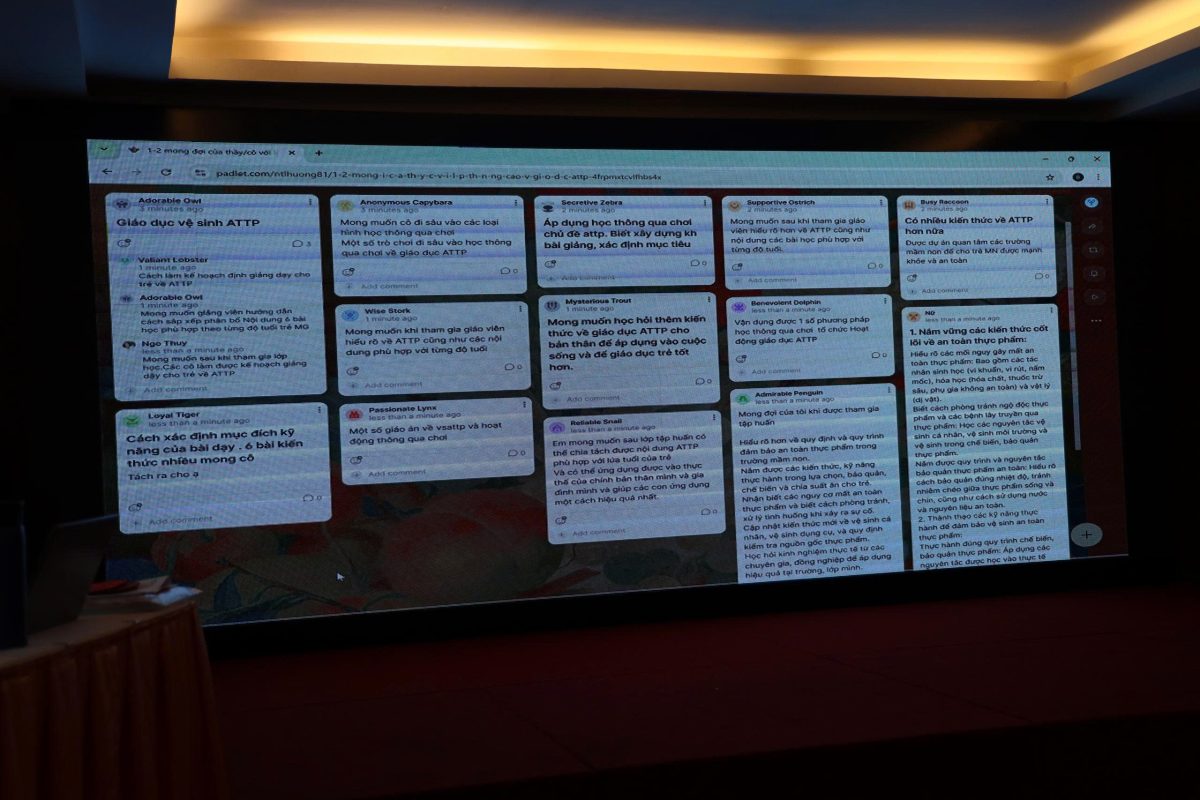
Teachers practiced the technique of “See, Reflect, Wonder.” After watching classroom videos, they filled in three columns: what they saw, what they understood, and what they still wondered about.
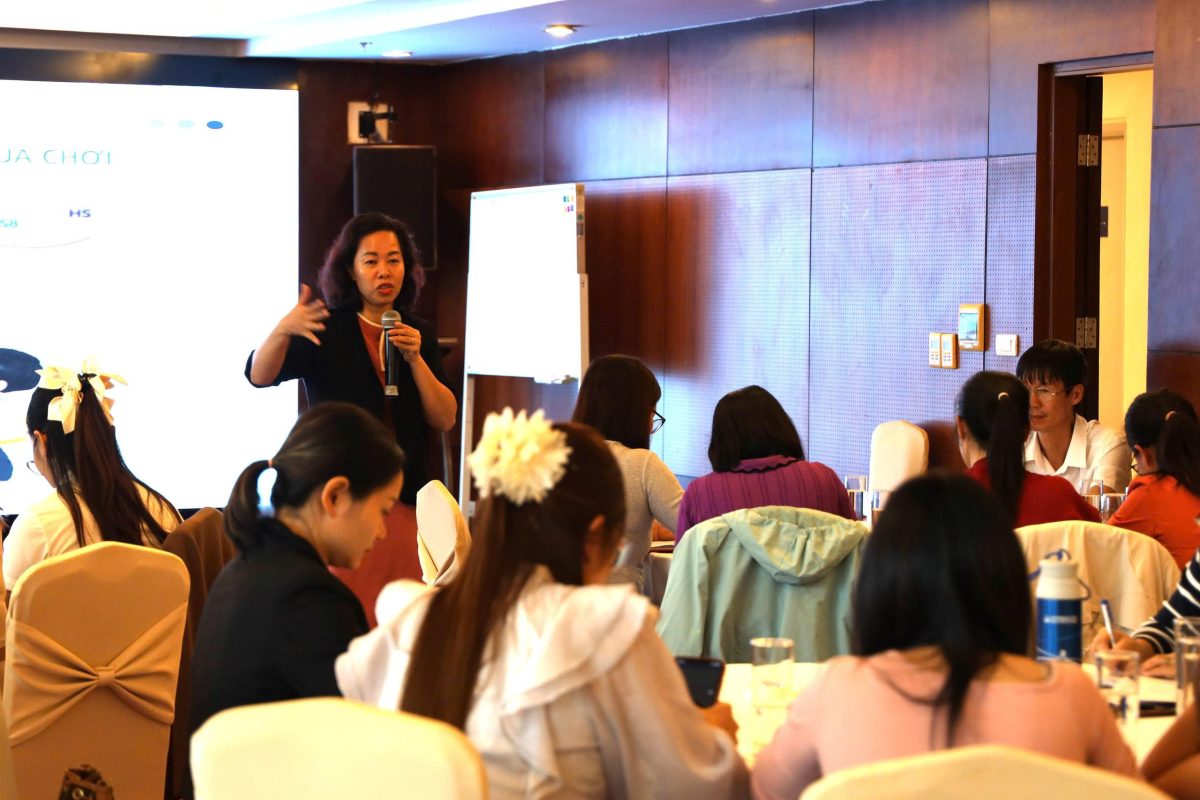
“When we start to wonder, we are already paying deeper attention,” said Nguyen Thi Lan Huong, Training Coordinator of the SAFEGRO project.
The act of “wondering” became a sign of reflective thinking. When teachers pause to ask themselves why they act a certain way and what children actually learn from it, genuine learning begins. In this sense, Learning Through Play is not only a method for children but also a reflective learning journey for teachers themselves.
The training continued with sessions on writing clear learning objectives and breaking down six key food safety lessons according to content depth and developmental stages. Instructors guided participants to write goals using the SMART framework, specific, measurable, achievable, relevant, and time bound, while aligning them with Bloom’s levels of cognition.
Instead of a vague statement like “Children know how to wash their hands,” teachers learned to write:
“Ninety percent of children can correctly perform the six steps of handwashing through daily practice.”
Such clarity transforms a lesson plan from abstract intention into measurable progress and strengthens teachers’ pedagogical reflection.
Groups then worked together to adapt the six food safety topics which include handwashing, food storage, distinguishing clean and spoiled food, bacteria, utensil hygiene, and choosing safe foods, for different age groups. Three year olds focus on recognition and simple actions, four year olds begin explaining reasons, while five year olds are encouraged to analyze, compare, and design their own small activities.
This process helped teachers see that each age level differs not only in skill but in cognitive depth, and that well defined objectives serve as a developmental roadmap for every child.
“Only when teachers clearly understand how to write objectives and write them SMART will they truly become skilled in building competencies for thousands of preschoolers,” Ms. Huong concluded.
Participants were then introduced to interactive teaching methods such as “Expert Exchange,” “Jigsaw,” and the “Question Transformation Game.” These techniques help teachers practice asking open ended questions that stimulate curiosity and critical thinking, encouraging children to speak, think, and discover for themselves. Each question becomes a bridge between experience and understanding, and teachers shift their role from instructor to facilitator. This transition connects the clarity of well written objectives with the art of transforming them into meaningful learning moments.
The following sessions will guide teachers to apply all the learned methods and techniques to design comprehensive lesson plans on the six food safety topics, tailored to each age group’s developmental needs.
SAFEGRO for a generation of children who think, act, and live safely.