A media case becomes a classroom tool
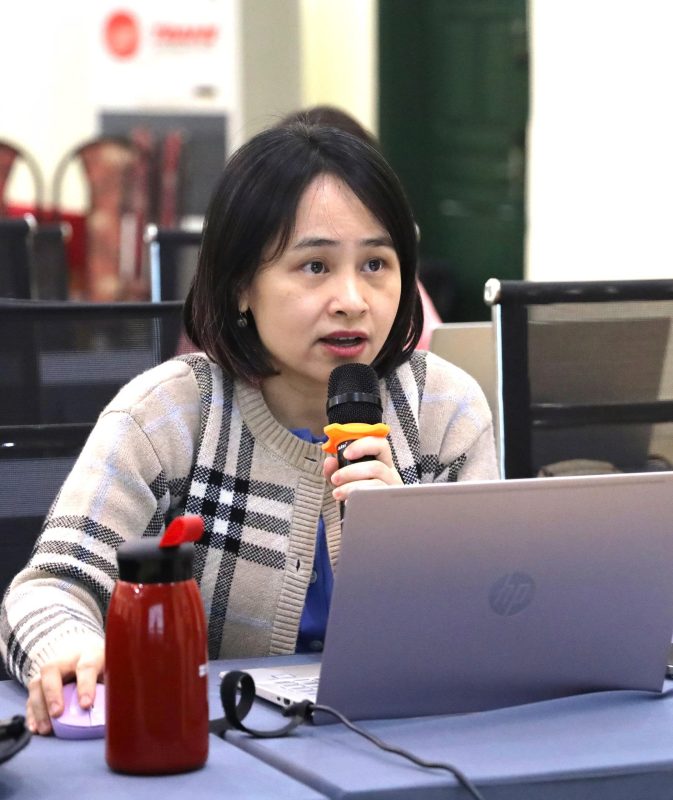
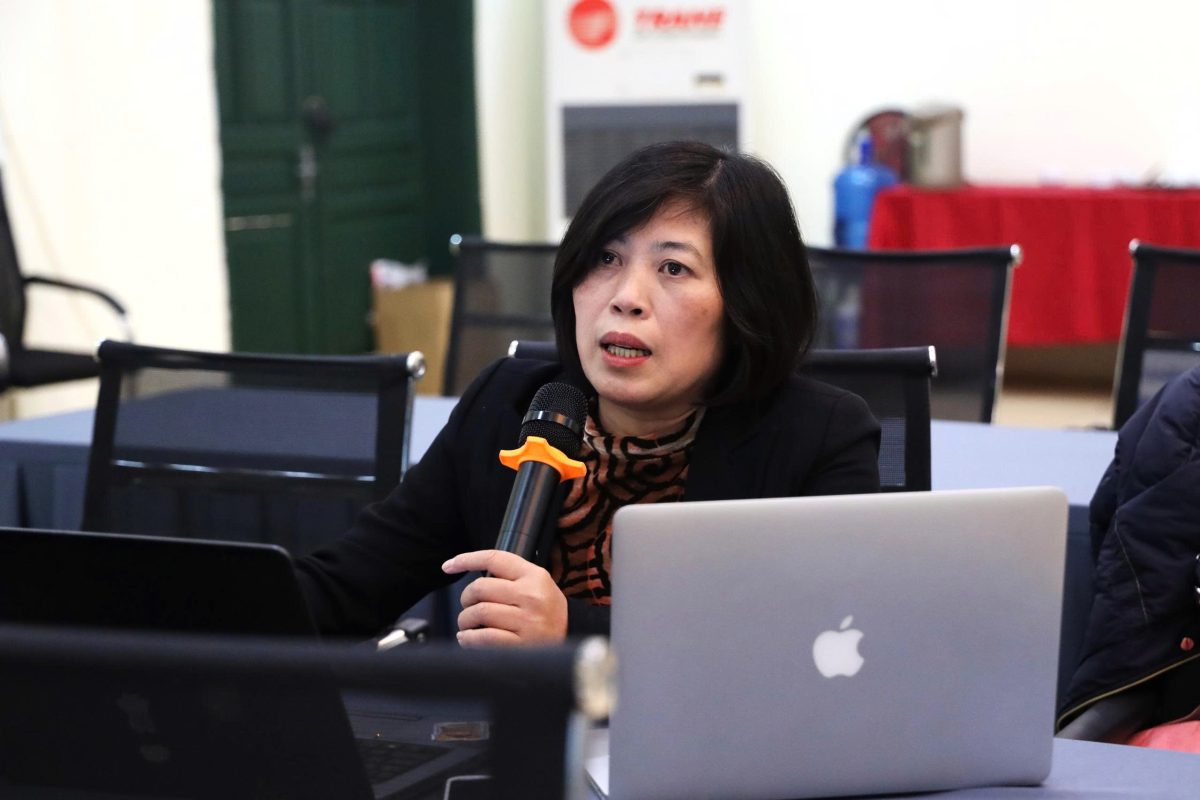
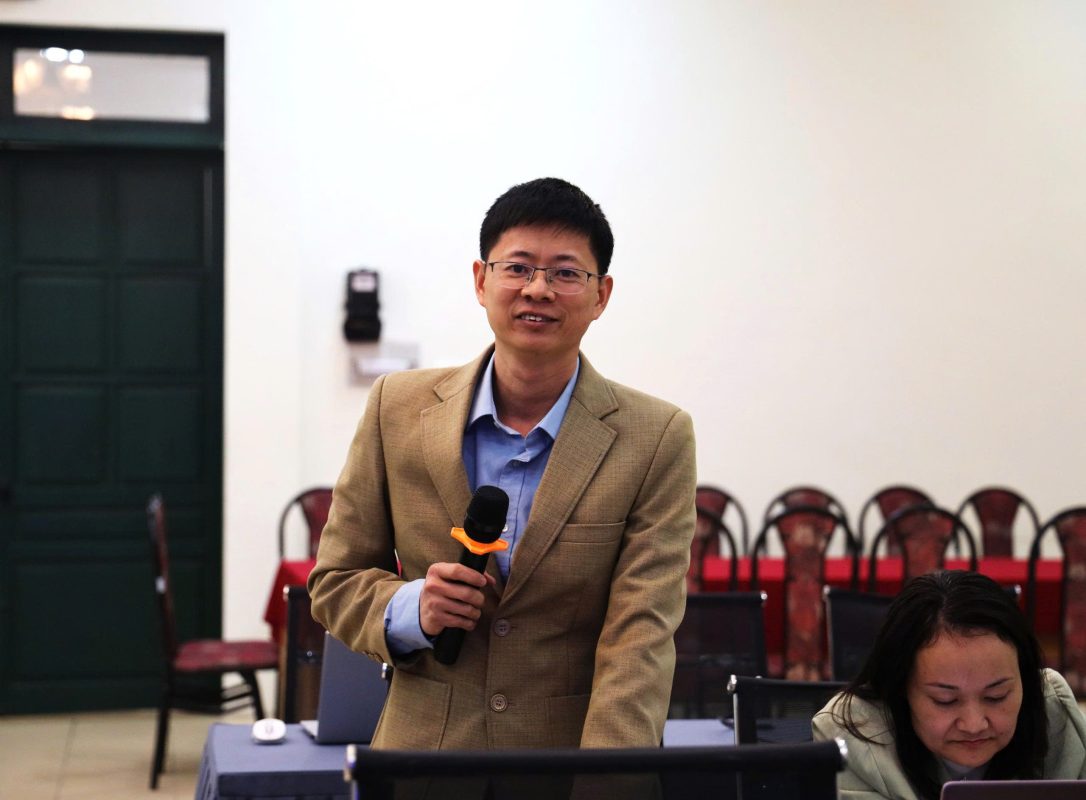
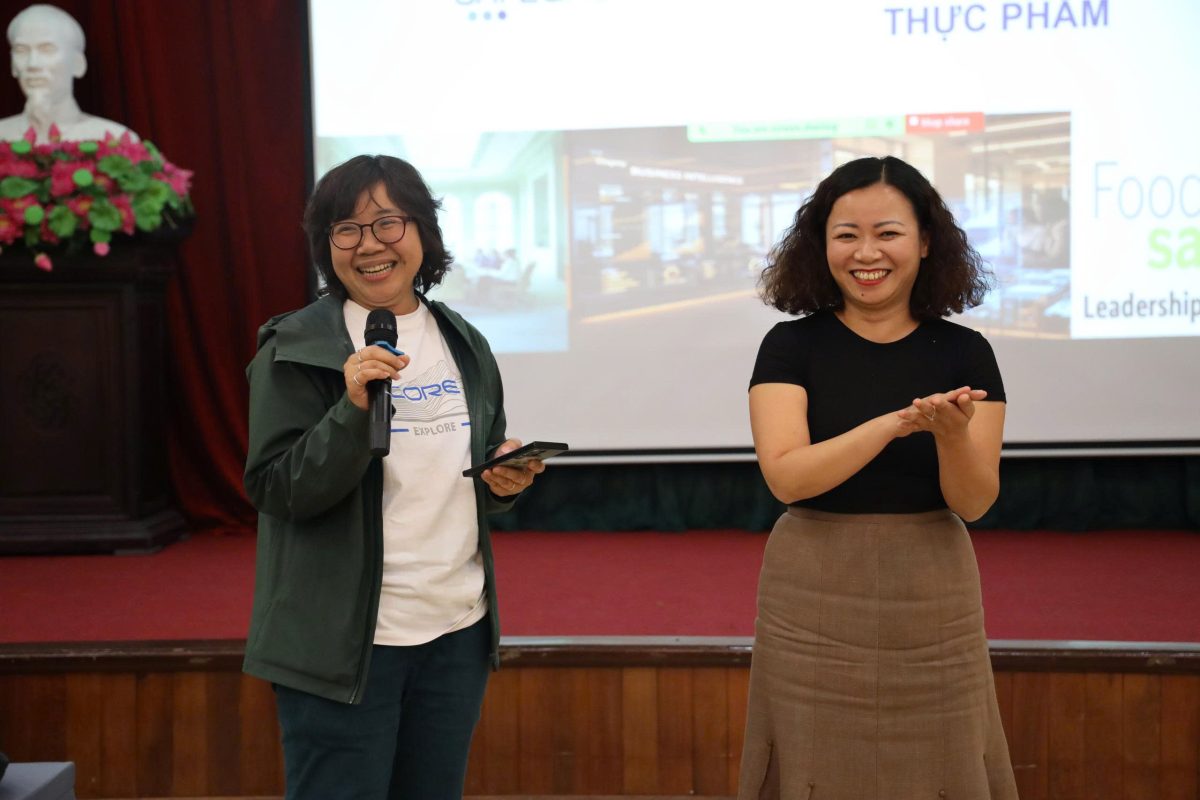
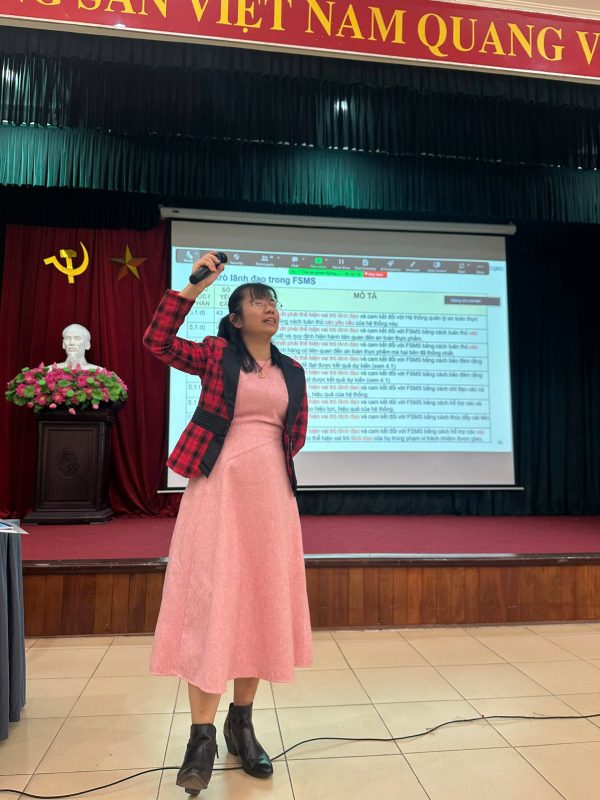
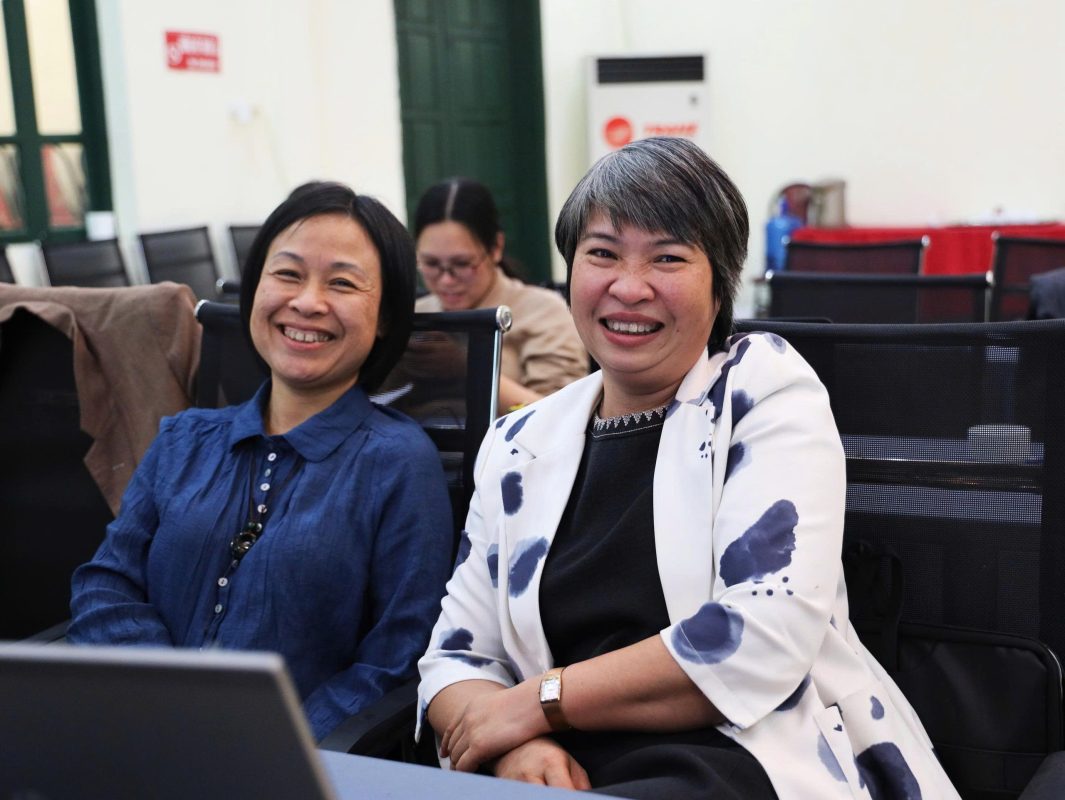
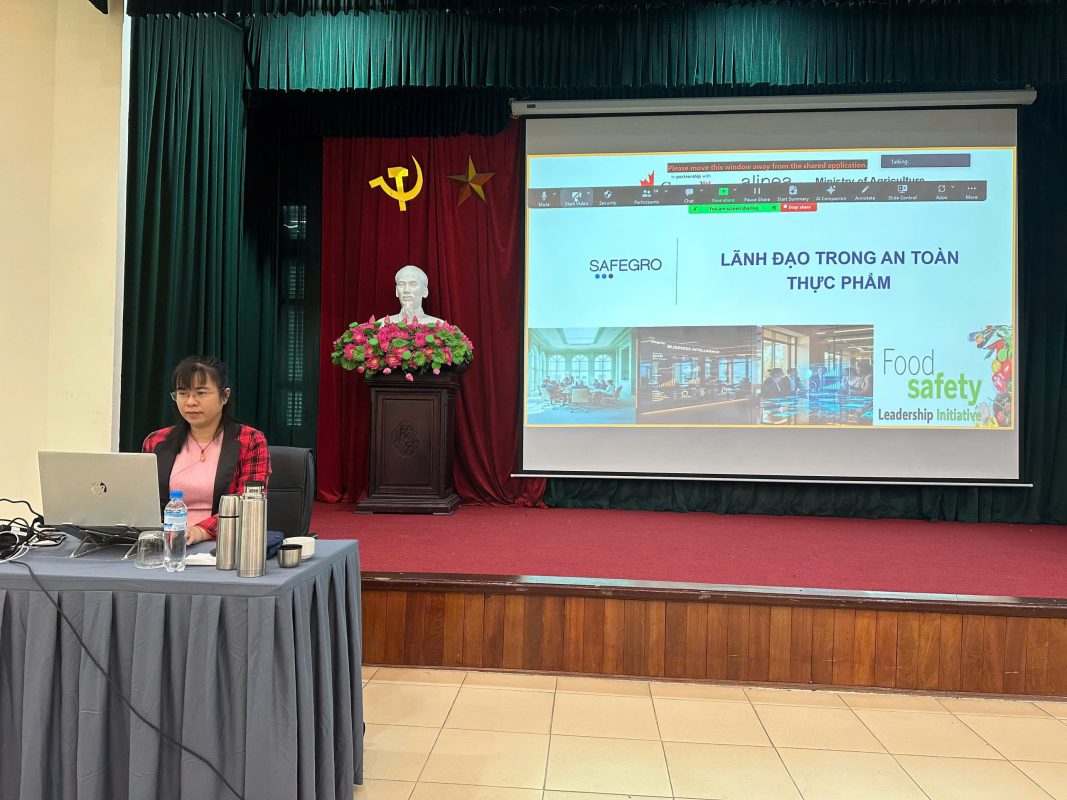
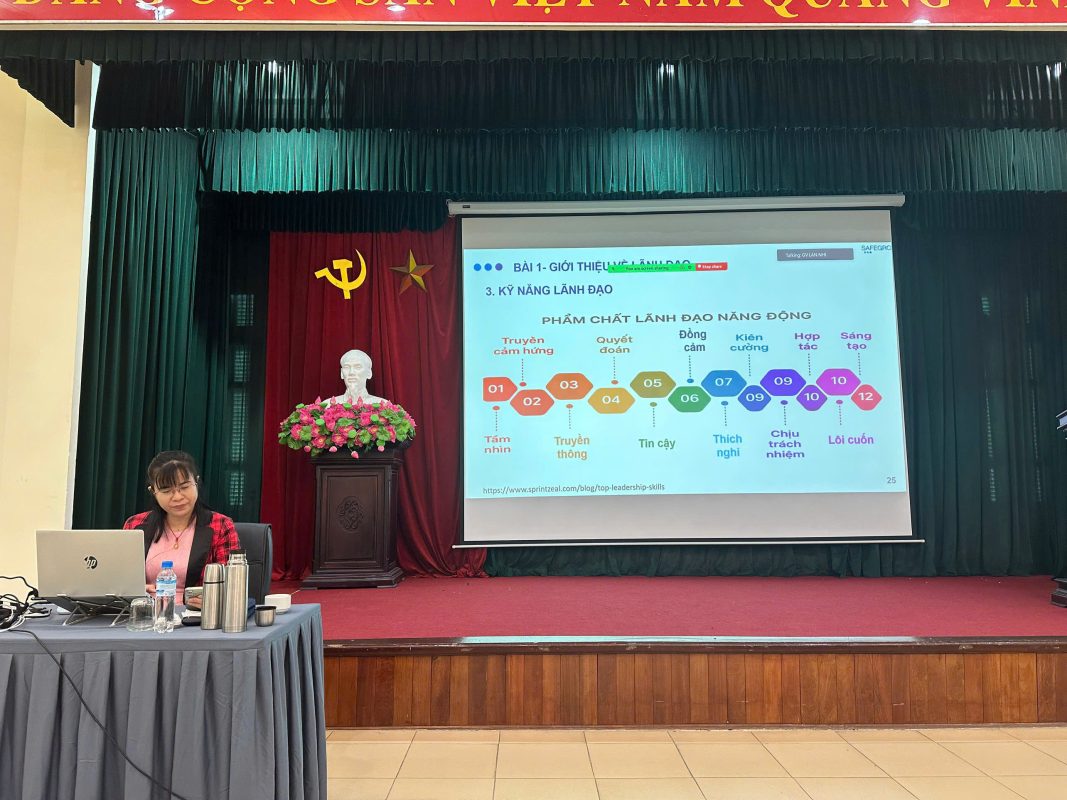
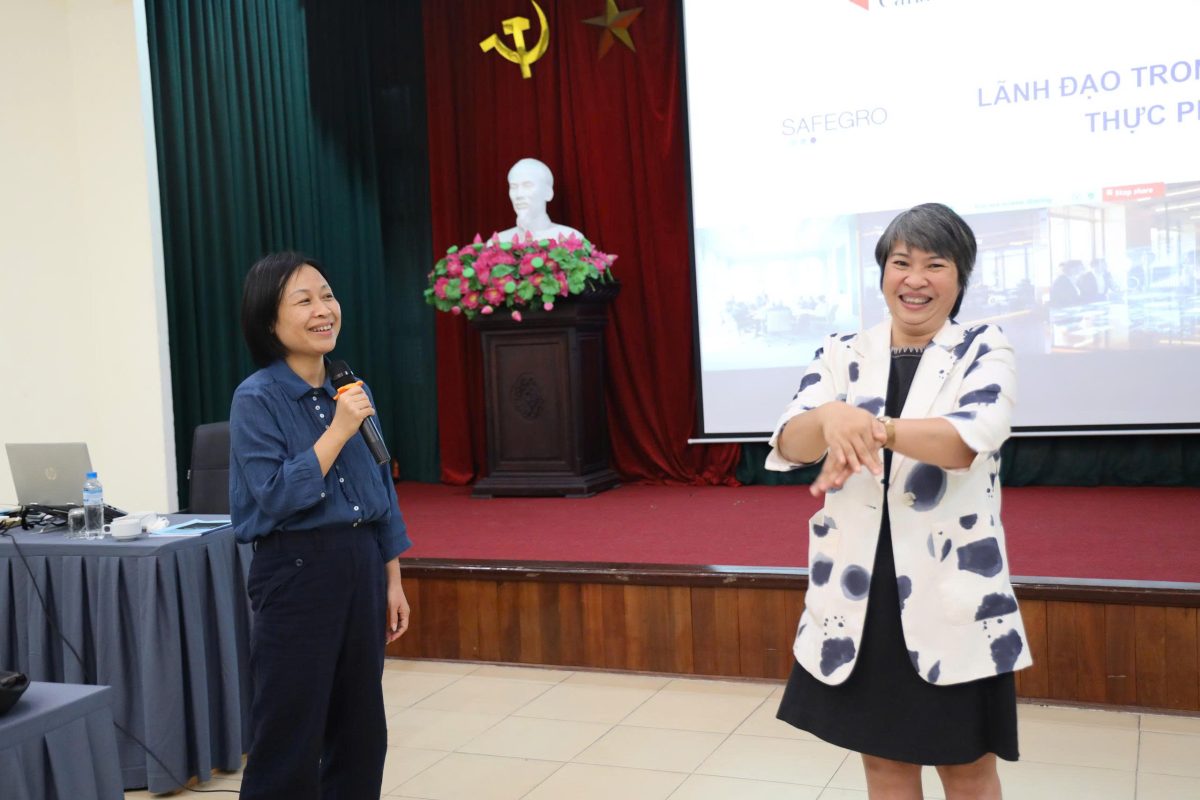
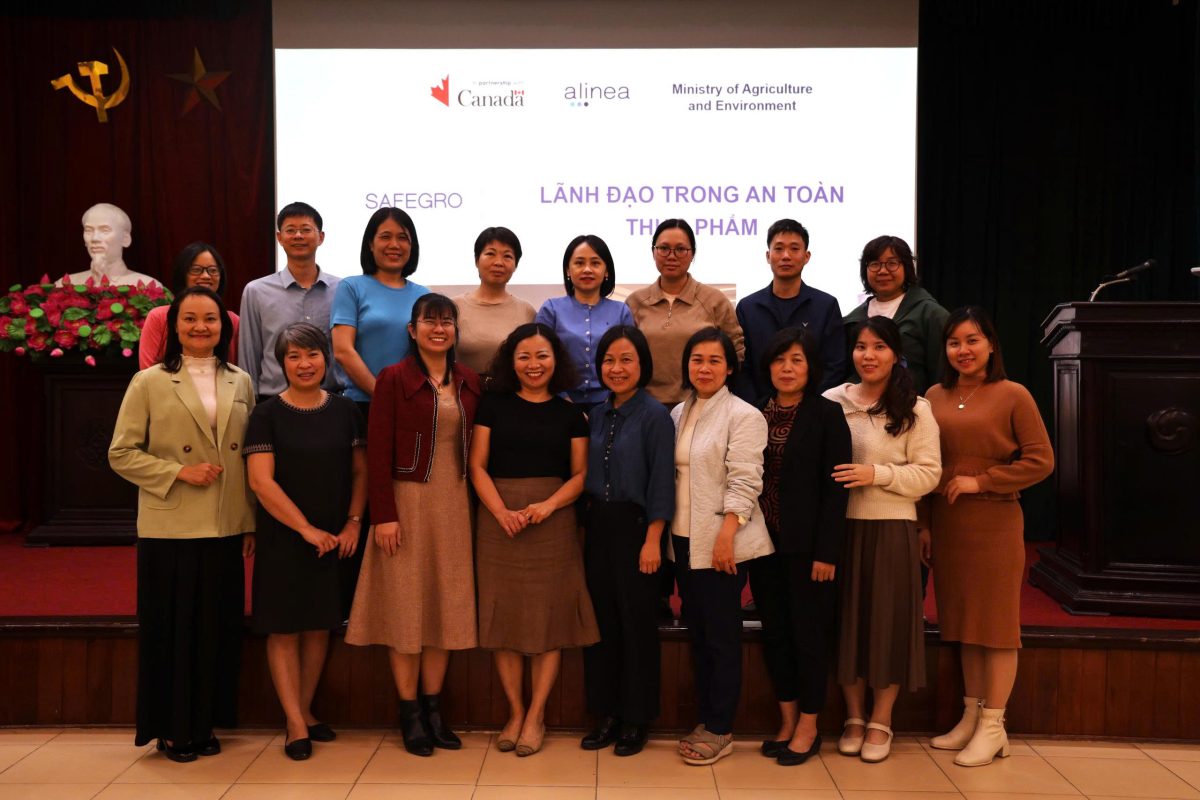
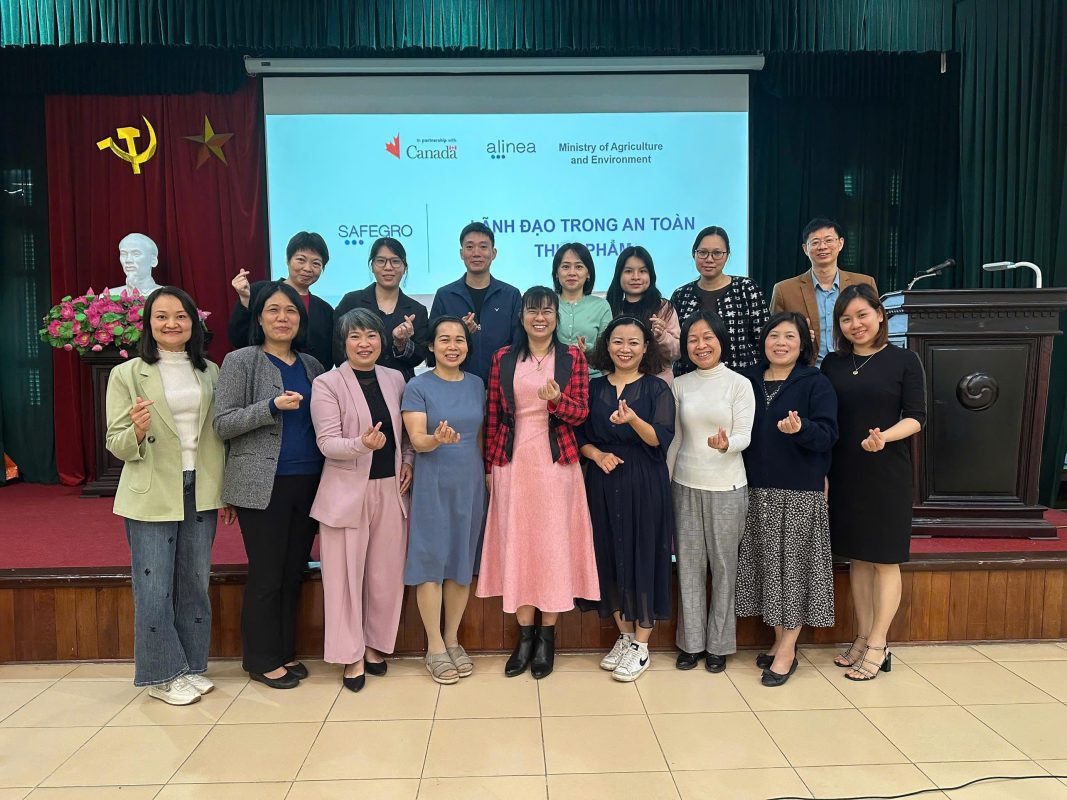
On November 27 and 28, 2025, SAFEGRO and the Food Industries Research Institute under the Ministry of Industry and Trade held a course on Leadership in Food Safety. It is one of ten internationally aligned modules developed by Canadian and Vietnamese experts, aimed at building a food-safety workforce grounded in science and risk management.
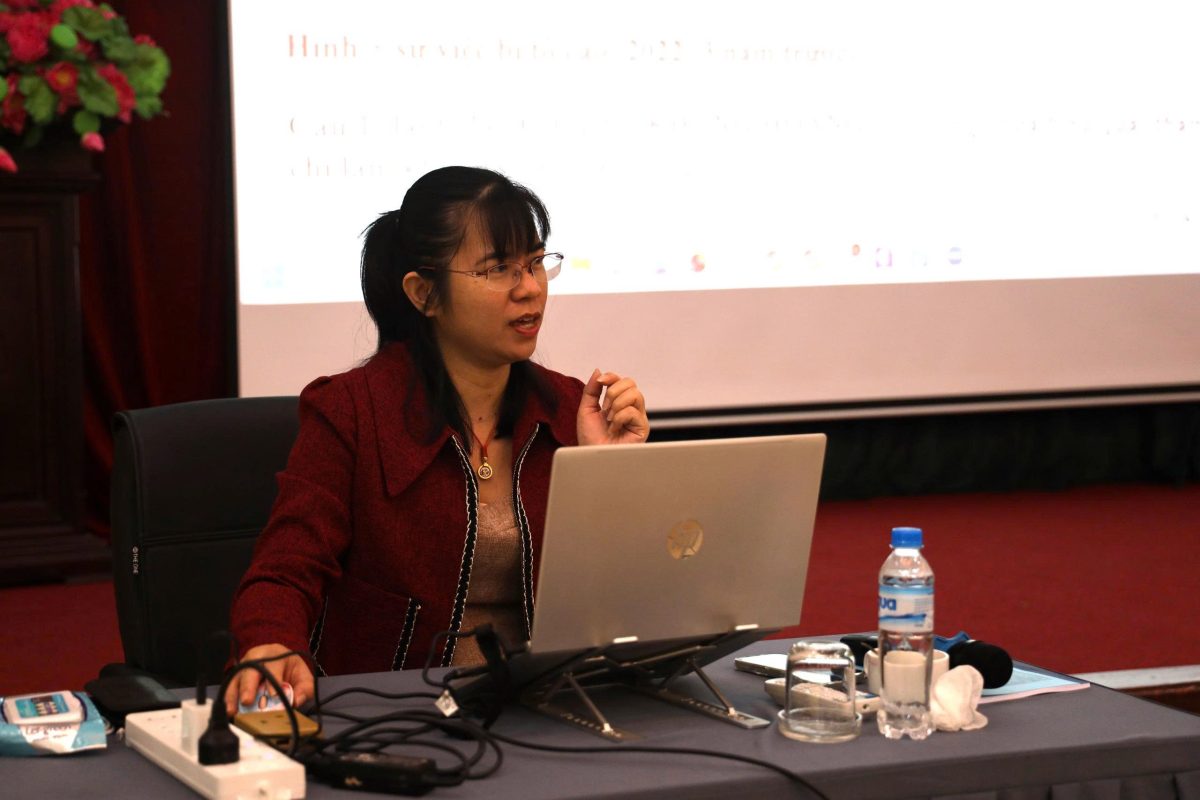
During the session, instructor Lan Nhi brought in a case that once drew considerable attention in the press: allegations published in 2025 about diseased pigs at a contract slaughterhouse, even though the photos and documents dated back to 2022. The purpose was not to judge a company, but to help participants observe how a system can fall “out of sync” when a crisis surfaces late, comes with missing data, and is clouded by suspicion.
The central question was: If an incident comes to light three years after it happened, where might the system have jammed? What in the warning pathway, whether individual behavior or organizational structure, kept critical information from reaching the right place at the right time?
Lan Nhi told the class: “In crisis management, the most important thing isn’t fixing what already happened; it’s stopping the domino effect.” A simple line, but it highlighted what many in the field often overlook: crises rarely overwhelm an organization with the first incident. It is the ripple effects that follow.
System bottlenecks rarely belong to one party
Participants were asked to approach the case from a leadership lens, not a technical one. After 20 minutes of discussion, a broader picture emerged.
Many pointed to the first bottleneck: internal warnings never reached someone with high enough authority. Important information can be stuck at middle layers, or at touchpoints where staff feel unsure or lack the authority to pass it upward.
Another group noted that the data trail had broken. Three years on, well past the product’s shelf life, conventional responses like recalls or verification testing were no longer feasible. It showed that even the strongest systems depend on the quality of records kept at a specific moment in time.
Some mentioned internal communication. Defensive responses, weak explanations, or unclear messages do not resolve a crisis; they erode trust.
And one point kept resurfacing: the role of frontline leaders. If on-site supervisors, veterinarians, or inspectors lack a voice or the empowerment to speak up, the system above them simply cannot hear early warnings.
These observations were not about finding fault with a specific company. They underscored a truth that every food-safety organization faces: even the best-designed system can slip out of rhythm without effective leadership in a crisis.
When leadership theory becomes something everyone can see
From this real-world case, the class circled back to the theoretical foundations introduced on day one. Everything suddenly felt clearer.
Leadership, they were reminded, does not depend on a title. It depends on the ability to mobilize others and, more importantly, to steer a group toward doing what is right. This idea came to life through the case: had one frontline individual held enough influence, the story might have unfolded differently.
Trait and Behavioral theories showed that leaders are shaped not only by innate qualities but also through experience and training. Situational Leadership emphasized adapting style to context: command when crisis hits; coach or collaborate when things are stable.
Transformational and Ethical Leadership stressed vision, transparency, and standards, precisely the elements participants felt were missing in the organization’s response when the unexpected occurred.
The instructor underscored: “Management ensures compliance. But if you only comply, the system will look the same ten years from now. Leadership is what drives change.”
A food-safety system through the lens of leadership
In linking theory to food-safety management systems, participants saw that every component requires leadership: policy-setting, measurable goals, presence on the ground, risk handling, traceability, and internal communication.
One participant wrote: “A system can be perfect on paper, but still fail because of people. If no one speaks up, the system can’t hear.” The line echoed the instructor’s point: leadership is built into the system, not something captured in formal documents.
Change and culture: the doorway to root-cause improvement
The module on change and food-safety culture brought the discussion back to fundamentals.
Lewin’s model helped explain that organizations can only improve when they unfreeze old habits, step into change, and reshape new routines.
But many barriers stand in the way, some surprisingly ordinary. On the class Padlet board, participants listed inertia, a weak sense of urgency, low confidence in change, and internal communication systems that could not carry enough weight.
The instructor shared a metaphor: “Food safety is like taking pictures with a film camera. By the time you see the results, it’s too late to redo anything. That’s why food-safety culture is about doing it right from the start.” A simple image that captured the essence of the food system: almost everything happens before the consumer ever encounters the product and before health risks appear.
A shift in understanding: from the baseline survey to the final reflections
The pre-course survey revealed hesitation. Many participants were unsure of the difference between management and leadership, unclear about ADKAR or Lewin, and saw food-safety systems mostly as technical procedures.
But their final reflections told a different story. Many set SMART goals, listed barriers in detail, and used Kotter’s eight steps to build urgency, form coalitions, communicate a vision, and reinforce new behaviors. Some proposed reporting mechanisms to keep early warnings from dying halfway.
One participant wrote: “I understand now that a leader is not the person at the top. A leader is the one who speaks up at the moment it matters.”
One step in a much larger journey
The course at FIRI is part of a national training sequence that SAFEGRO is delivering with institutes and universities across Vietnam. The shared goal is to shape people who can drive change based on science and risk management, an essential ingredient of a sustainable food-safety system.
The course returned again and again to one point: leadership does not wait for a title. In food safety, leadership may be the line supervisor, the lab technician, the equipment operator, or anyone who raises an early flag when something is out of place.
This is how a stronger system is built: one early warning, one small decision, one right action at a time.