Source: Báo Nông Nghiệp Môi Trường
Pilot risk assessment initiatives provide a scientific, systematic, and interdisciplinary approach to food safety management, meeting international standards.
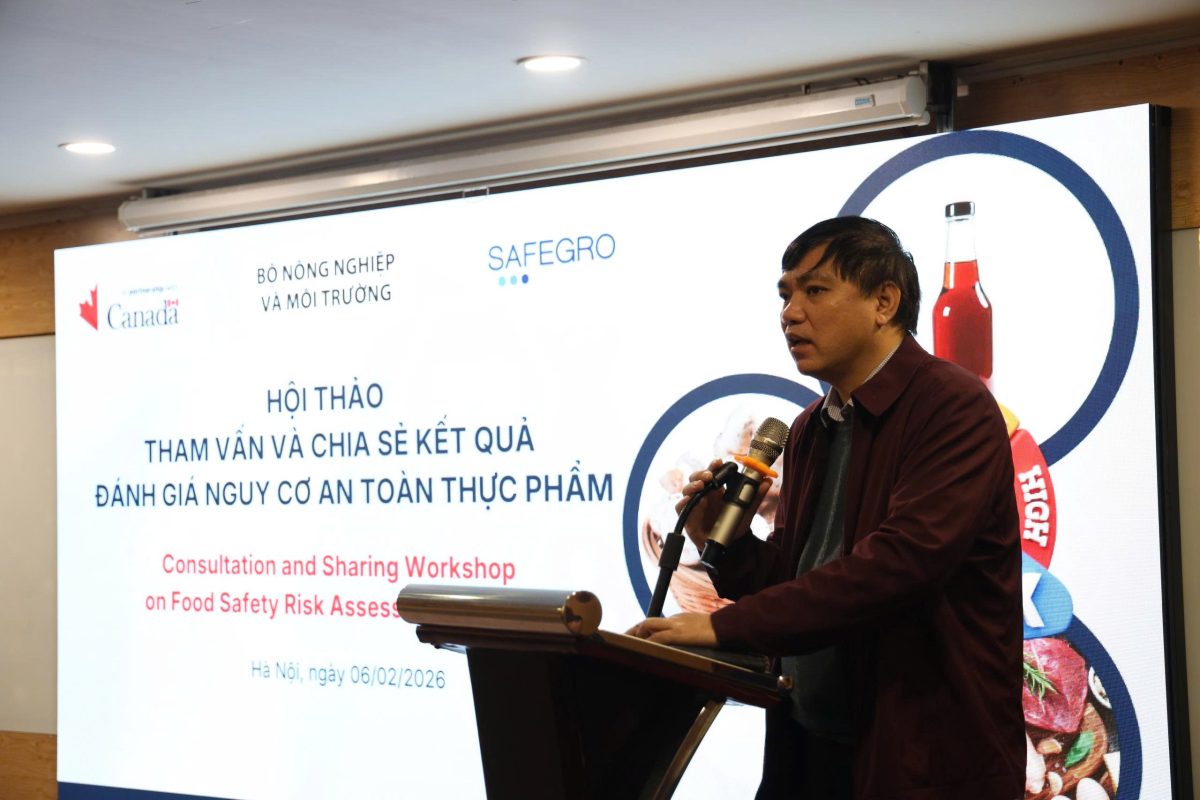
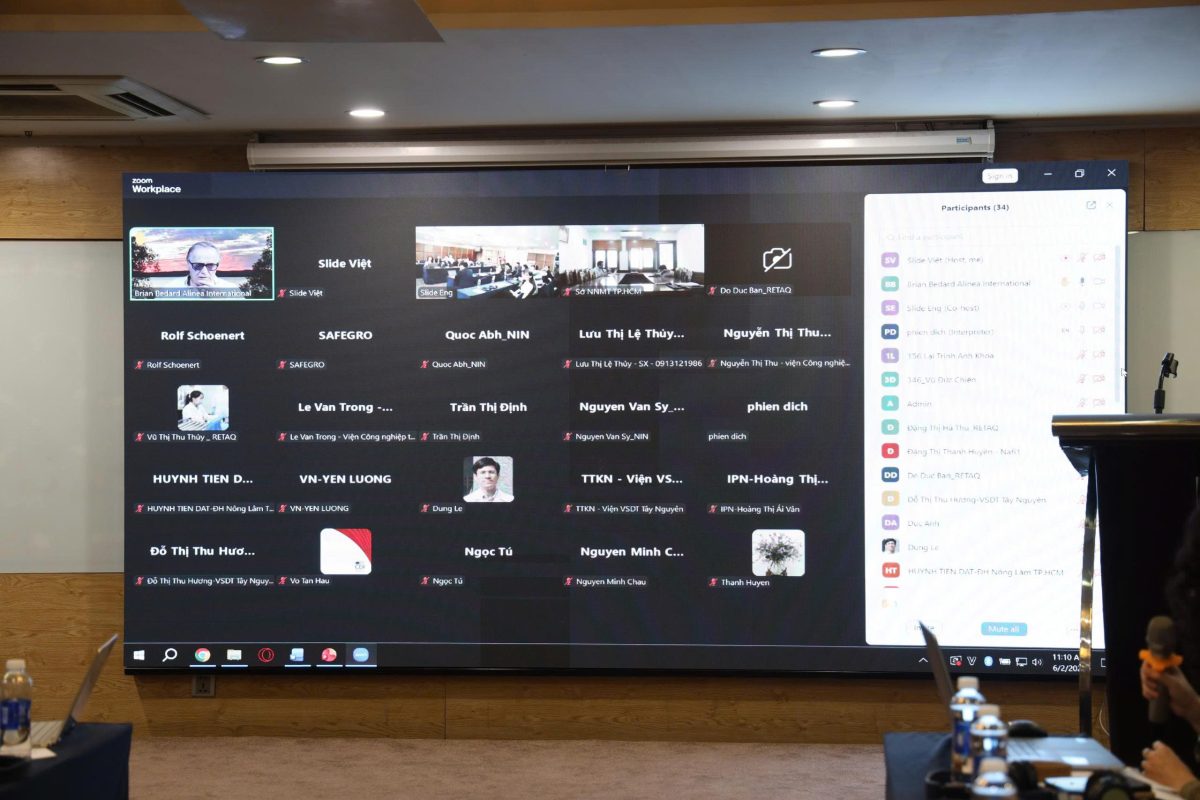
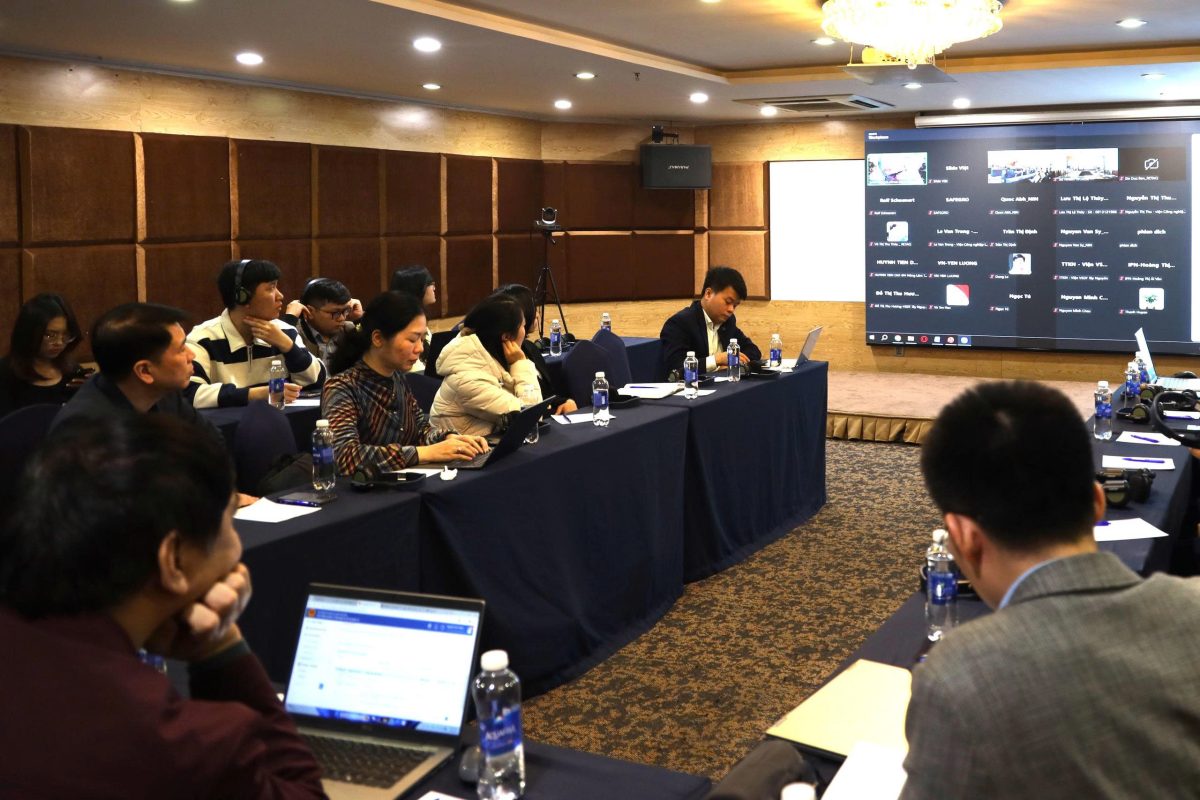
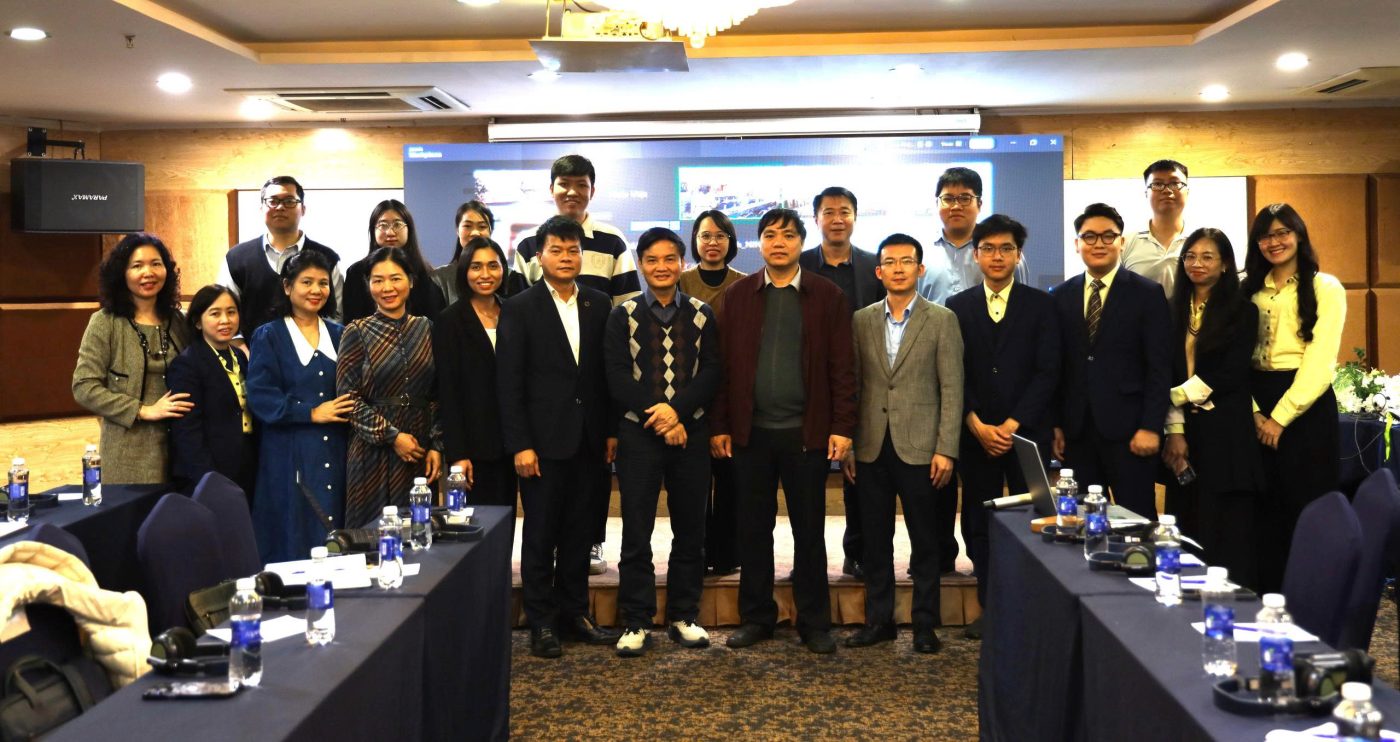
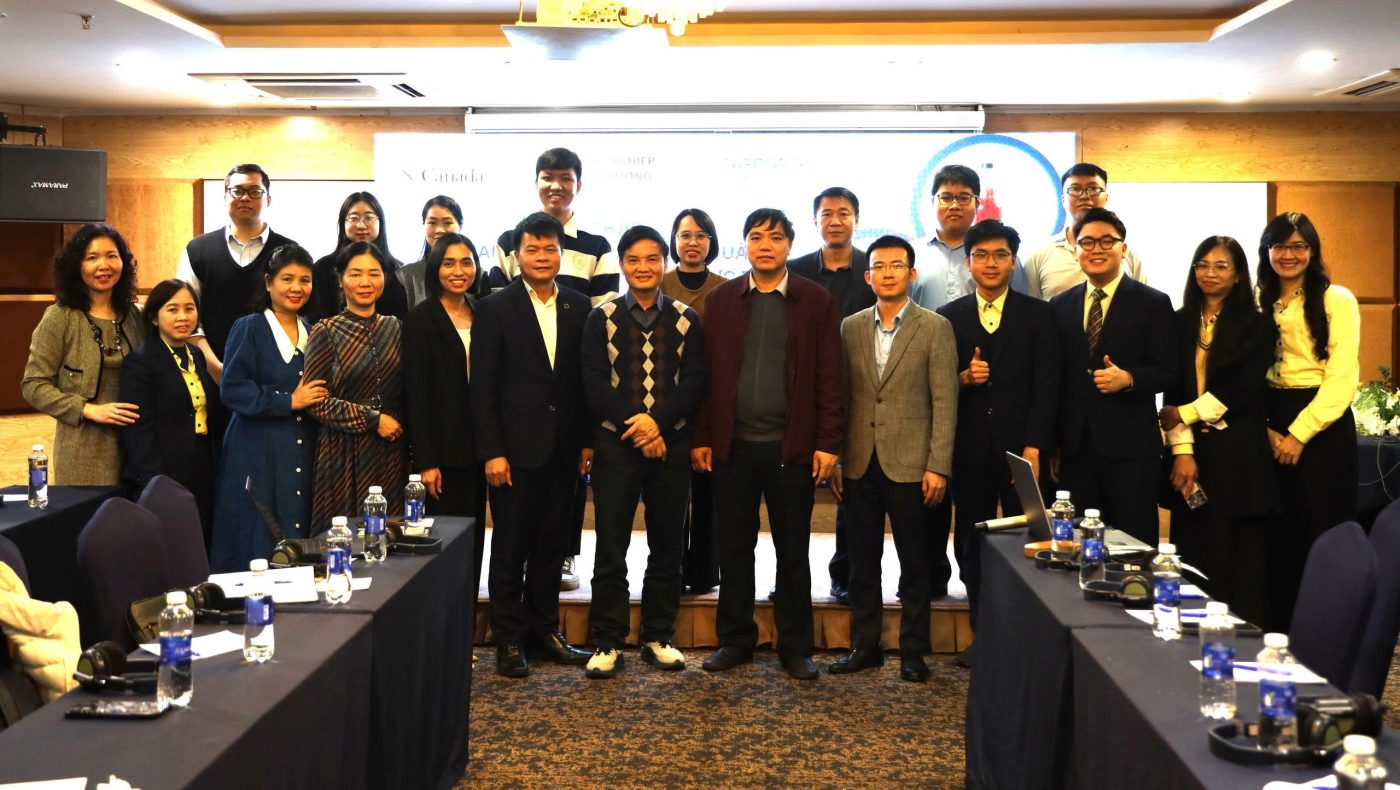
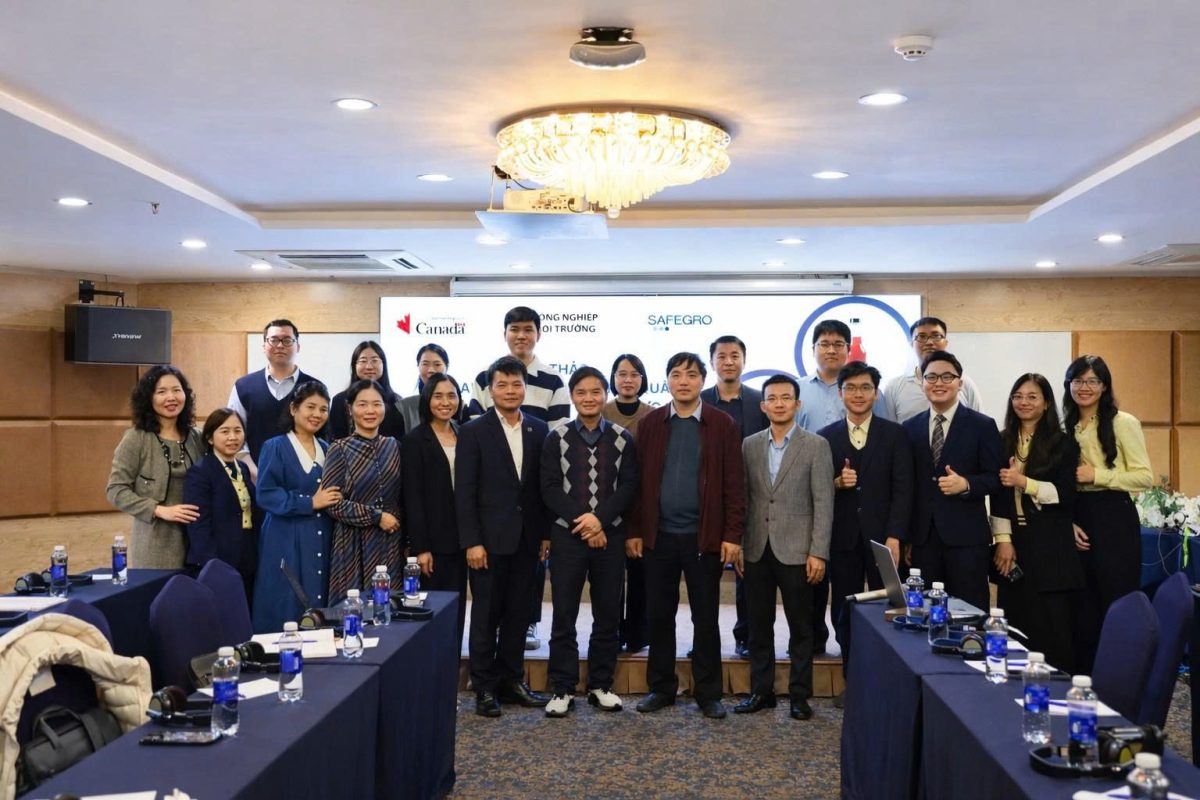
On February 6, the Department of Quality, Processing and Market Development, in coordination with the Safe Food for Growth (SAFEGRO) Project, organized a Consultation Workshop to share the results of pilot food safety risk assessments. The event marked an important step forward in shifting food safety management from a model focused solely on pre- and post-inspection toward an approach grounded in scientific evidence and structured risk assessment.

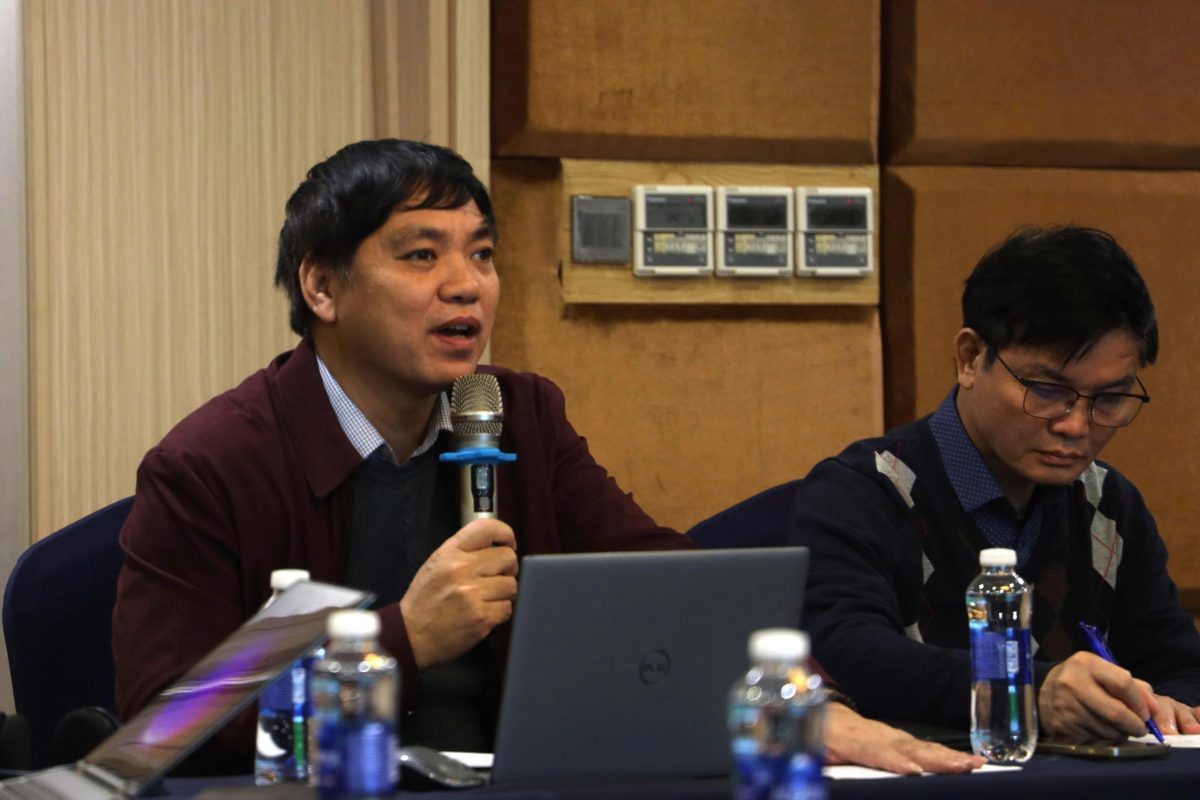
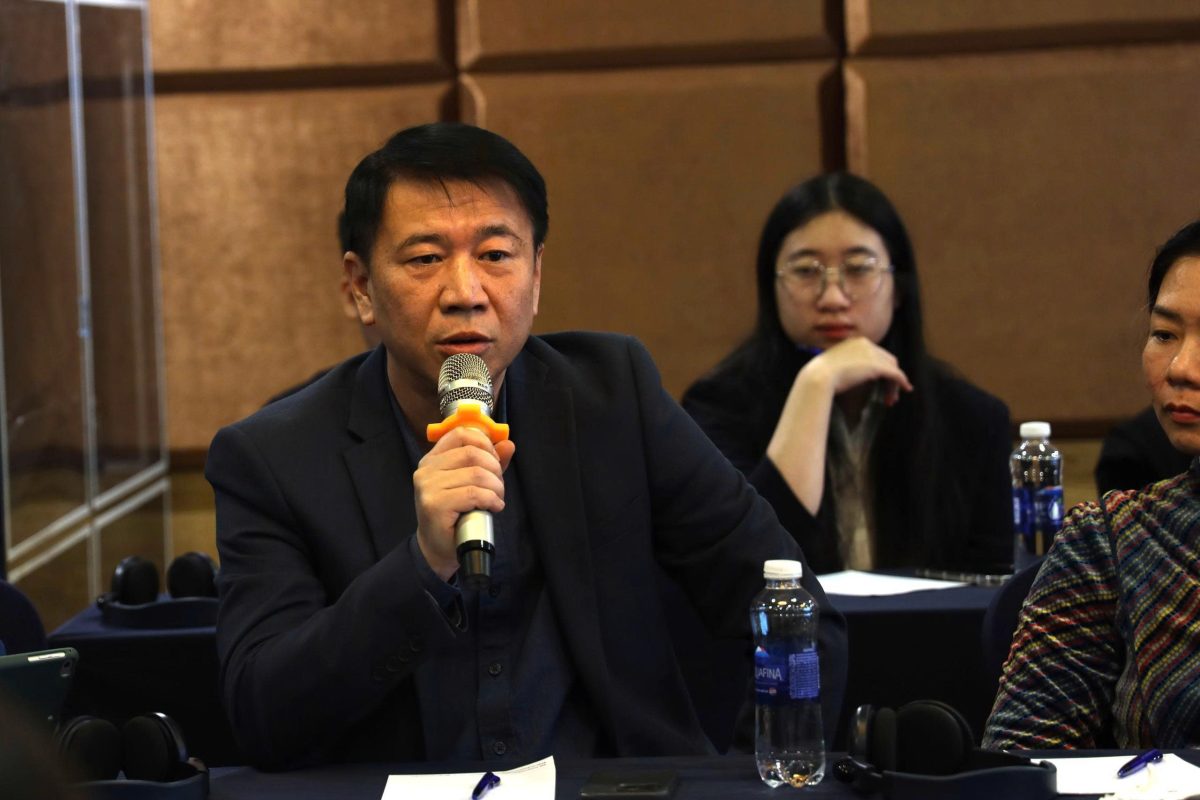
Speaking at the workshop, Mr. Nguyen Van Thuan, representative of the Department of Quality, Processing and Market Development (NAFIQPM) and a member of SAFEGRO’s Coordination Board, emphasized that risk assessment plays a core role and is an indispensable foundation of modern food safety management.
However, when benchmarked against international standards, Viet Nam still faces certain “gaps” in data availability and analytical capacity. Recognizing this challenge, SAFEGRO has identified risk assessment as a key area for intervention and support to Viet Nam.
“This is not a short-term campaign but a multi-year roadmap focusing on building a solid theoretical and practical foundation for technical staff. Many trainees have shared that this is the first time they have accessed such in-depth professional training. The activities go beyond qualitative risk assessment and move toward quantitative risk analysis, providing concrete and accurate figures on the level of impact on consumer health,” Mr. Thuan noted.

Expert Brian Bedard stressed that risk assessment cannot be sustainable without the clear involvement of “risk managers.” While SAFEGRO has provided initial financial support, maintaining and scaling up these activities requires formal recognition by the Government of Viet Nam and a clear designation of who the risk managers are.
“I believe that risk ranking should be prioritized before conducting new assessments, ensuring that resources are optimized and focused on the risks posing the greatest threats to consumers. I also expect continued technical support from the Government of Canada along this roadmap,” he emphasized.

In the context of food safety management in Viet Nam involving the Ministry of Health, the Ministry of Agriculture and Environment, and the Ministry of Industry and Trade, SAFEGRO has successfully established a network of dedicated officers from relevant agencies.
According to Mr. Do Thanh Lam, Director of SAFEGRO, this network has helped the food safety sector gain a clearer, more practical understanding of how to organize structured risk assessments from sampling and laboratory analysis to data processing.
At the conclusion of the workshop, the organizers gathered many valuable comments and recommendations from delegates and experts to further refine food safety risk assessment procedures that are suited to domestic conditions while aligned with international practices. Once the final version is completed, SAFEGRO will hand over the results to NAFIQPM for submission to relevant regulatory agencies, providing a scientific basis for the development and improvement of food safety management mechanisms, policies, and regulations in the coming period.
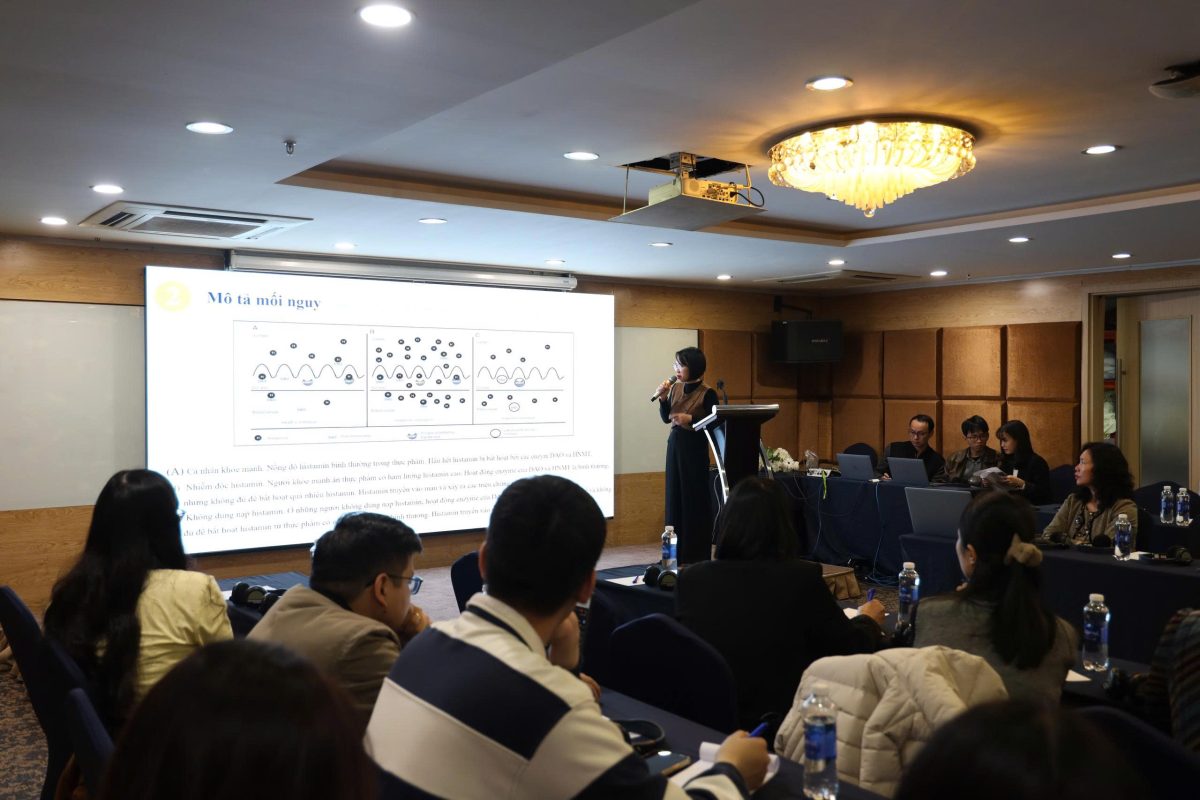
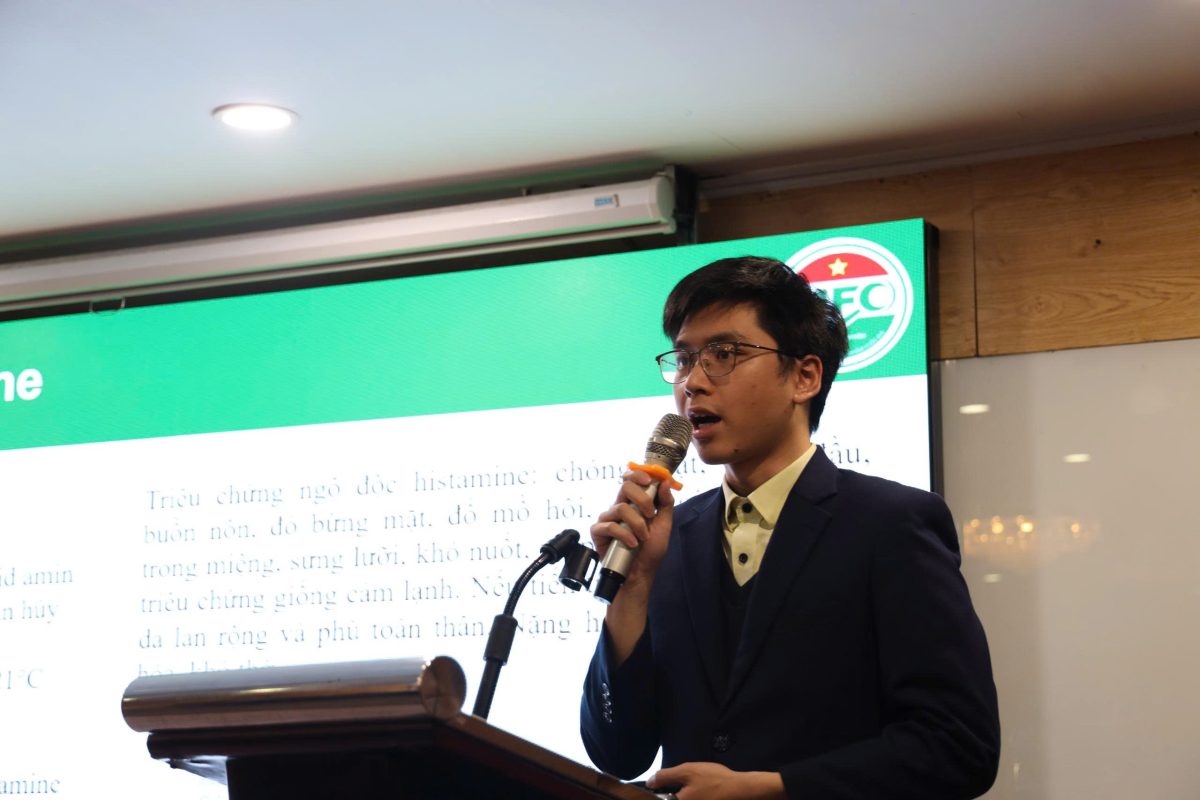
Within the program framework, representatives from the Center for Testing, Inspection and Quality Services and the National Institute for Food Safety Hygiene Testing presented typical risk assessment results conducted recently.
Specifically, the reports focused on: risk assessment of histamine in fish sauce products consumed in Ha Noi; risks of heavy metal residues in certain types of mushrooms commonly consumed in Ha Noi; risks of Salmonella contamination in chicken meat from farm to table in Ha Noi; and risks of histamine exposure from consumption of Scombridae fish in Nghe An Province.