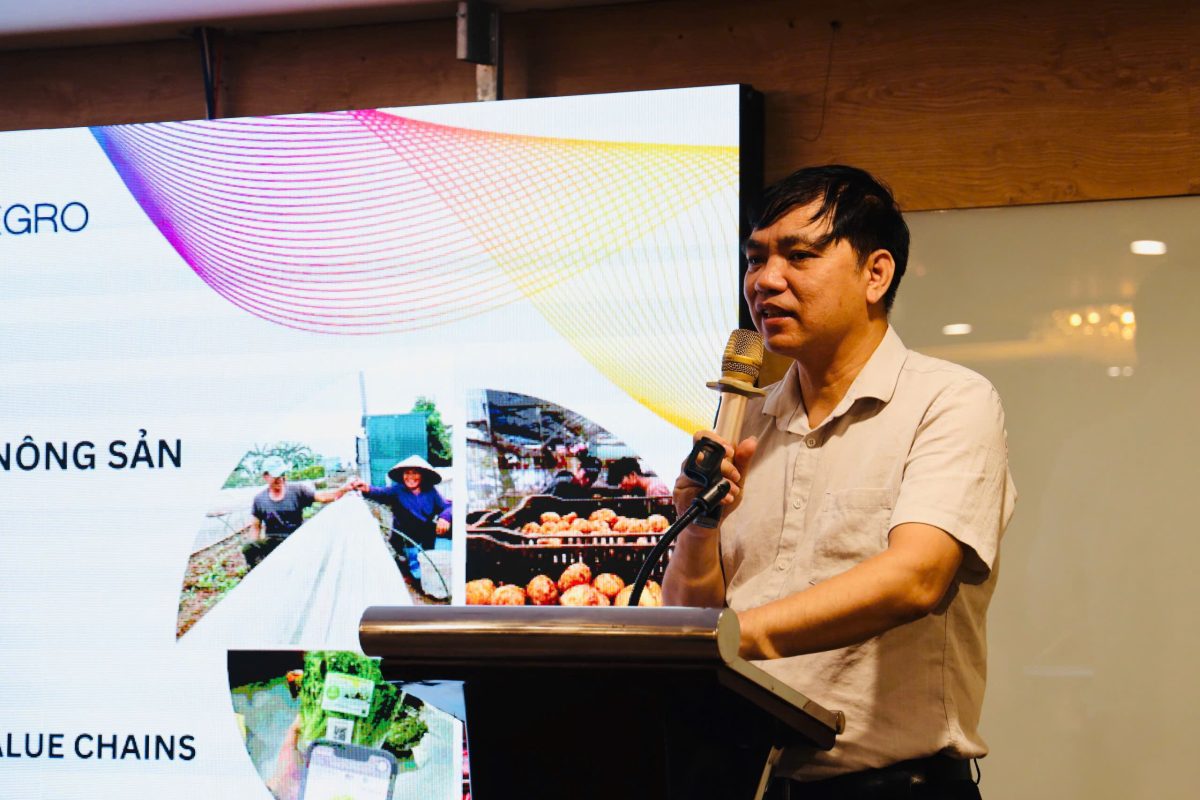
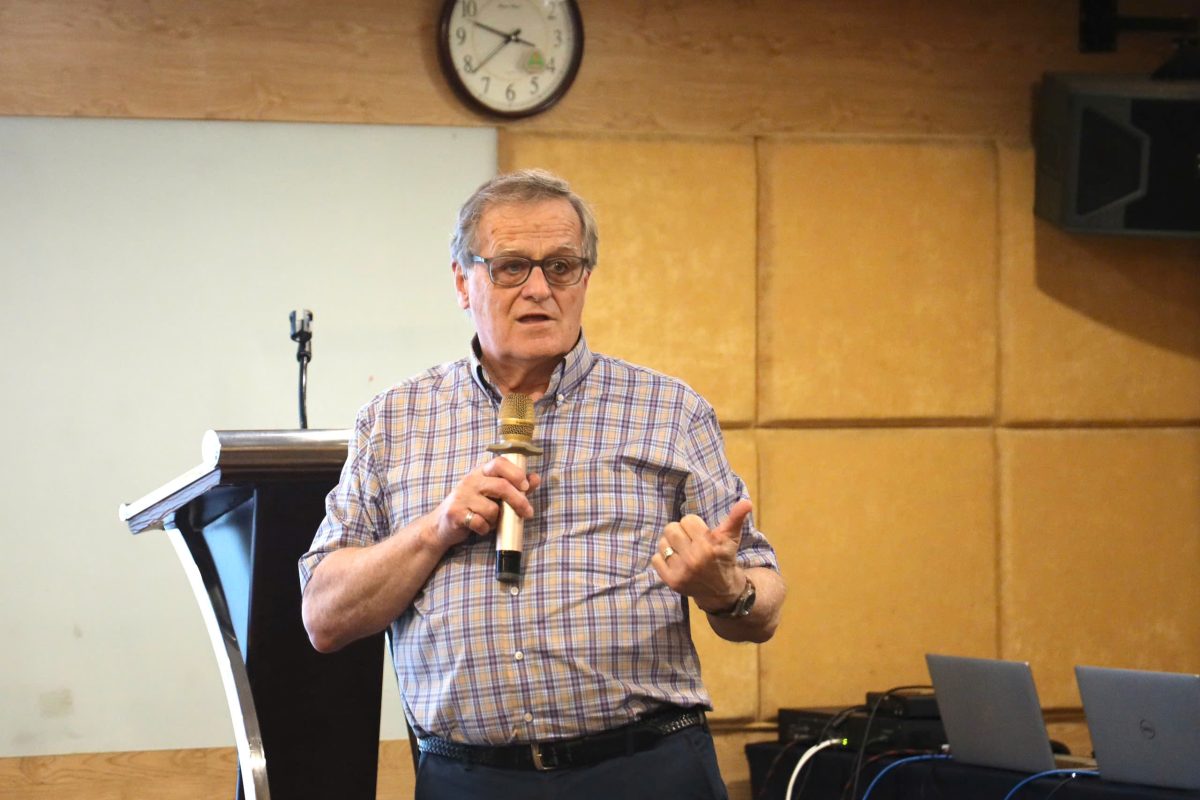
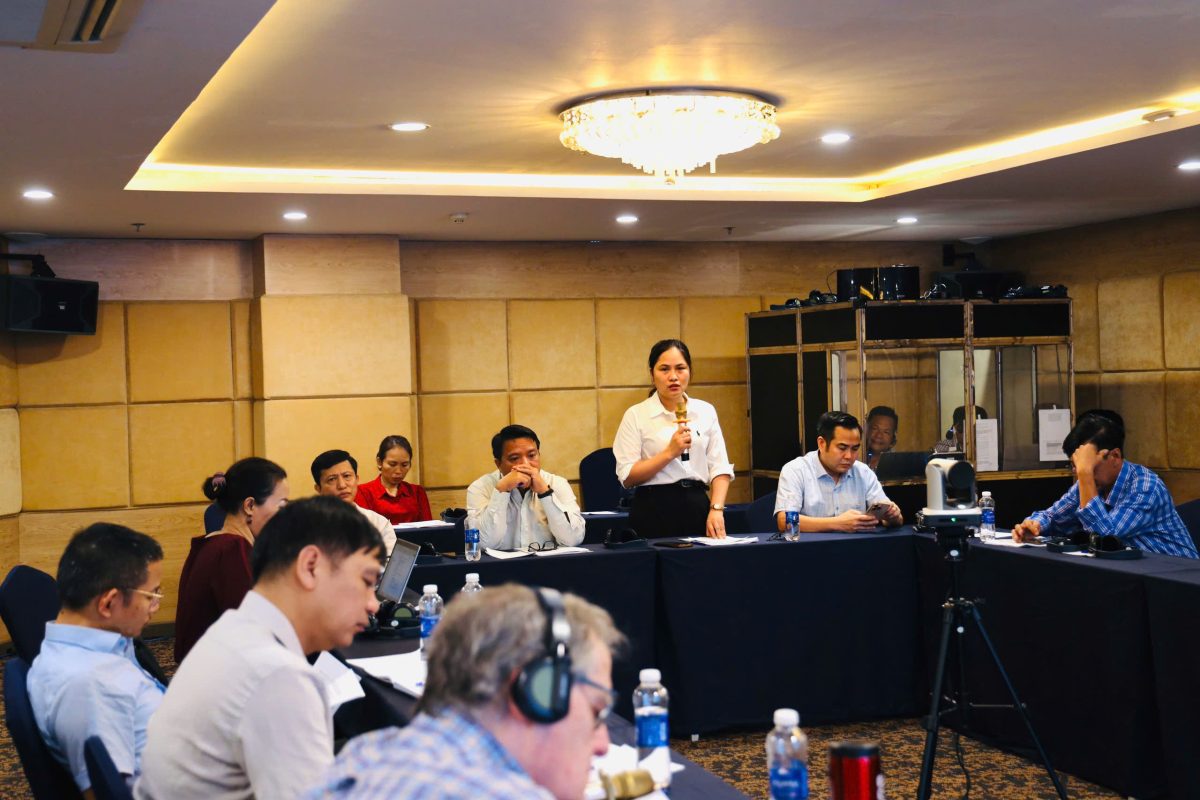
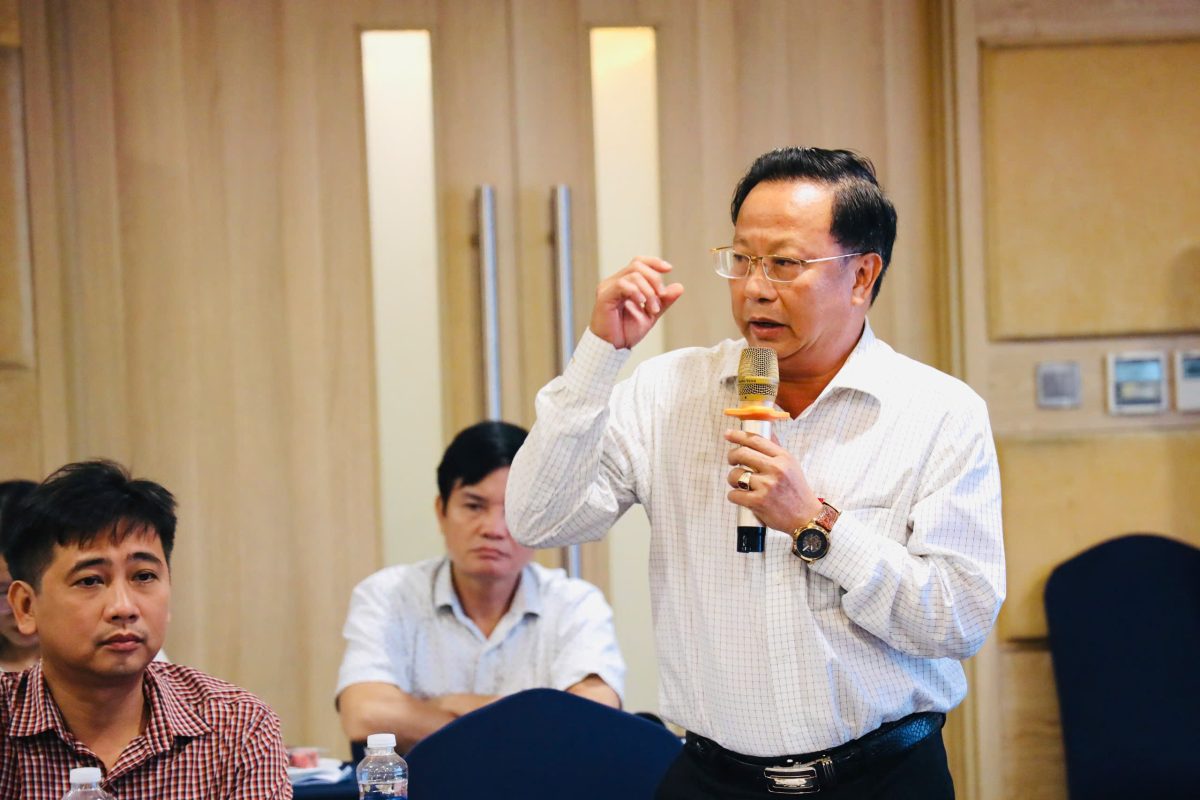
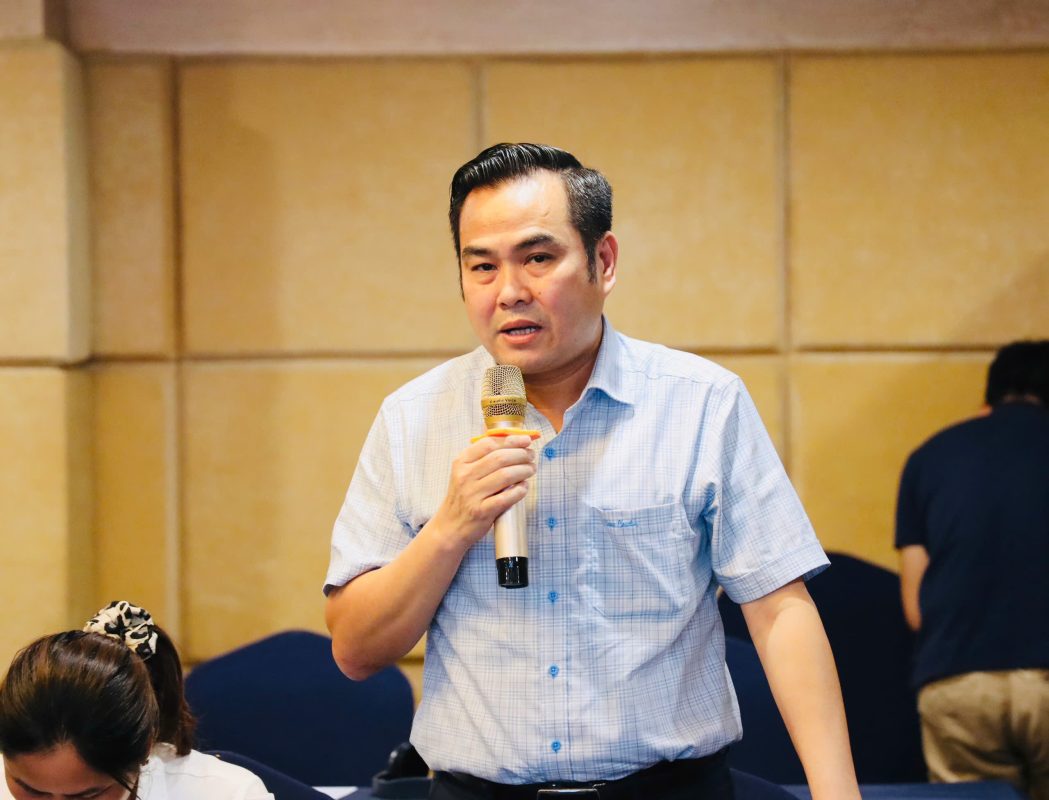
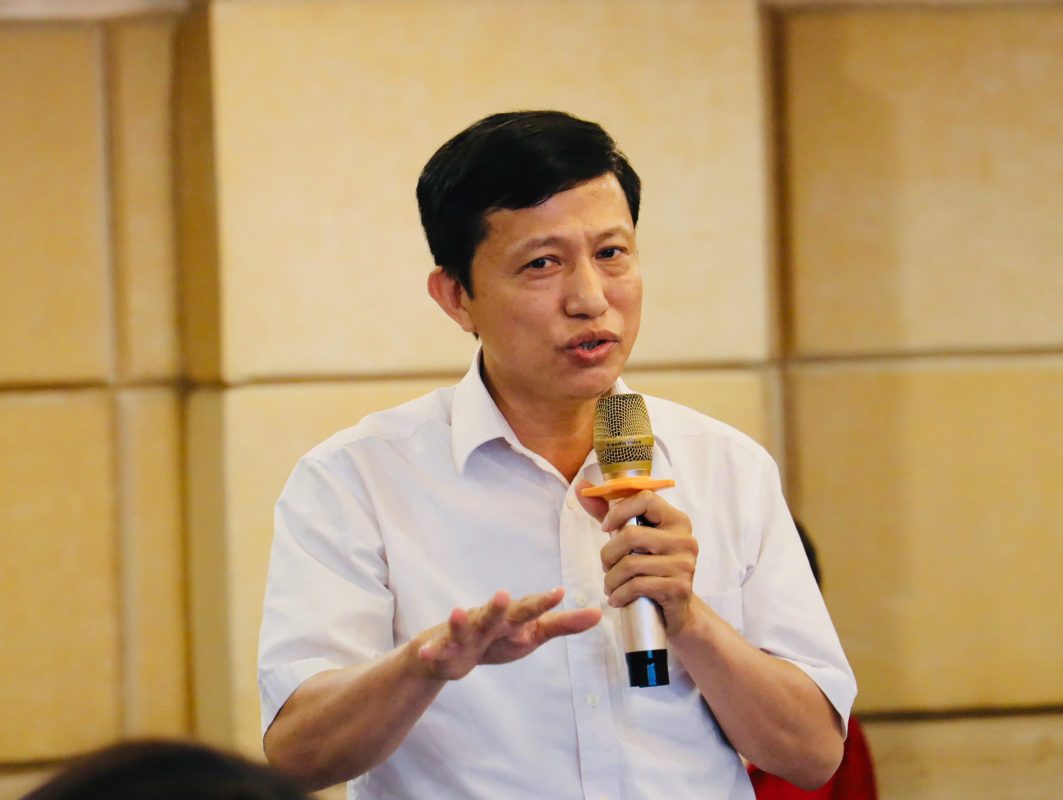
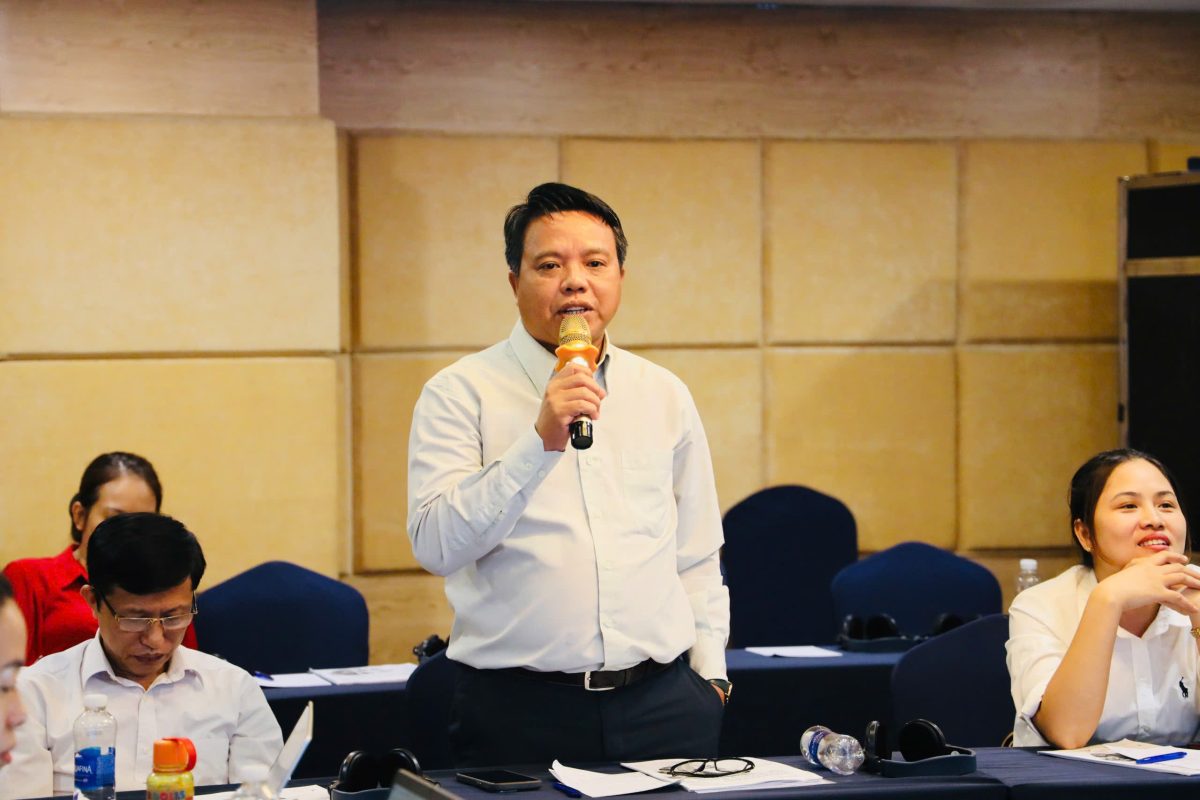
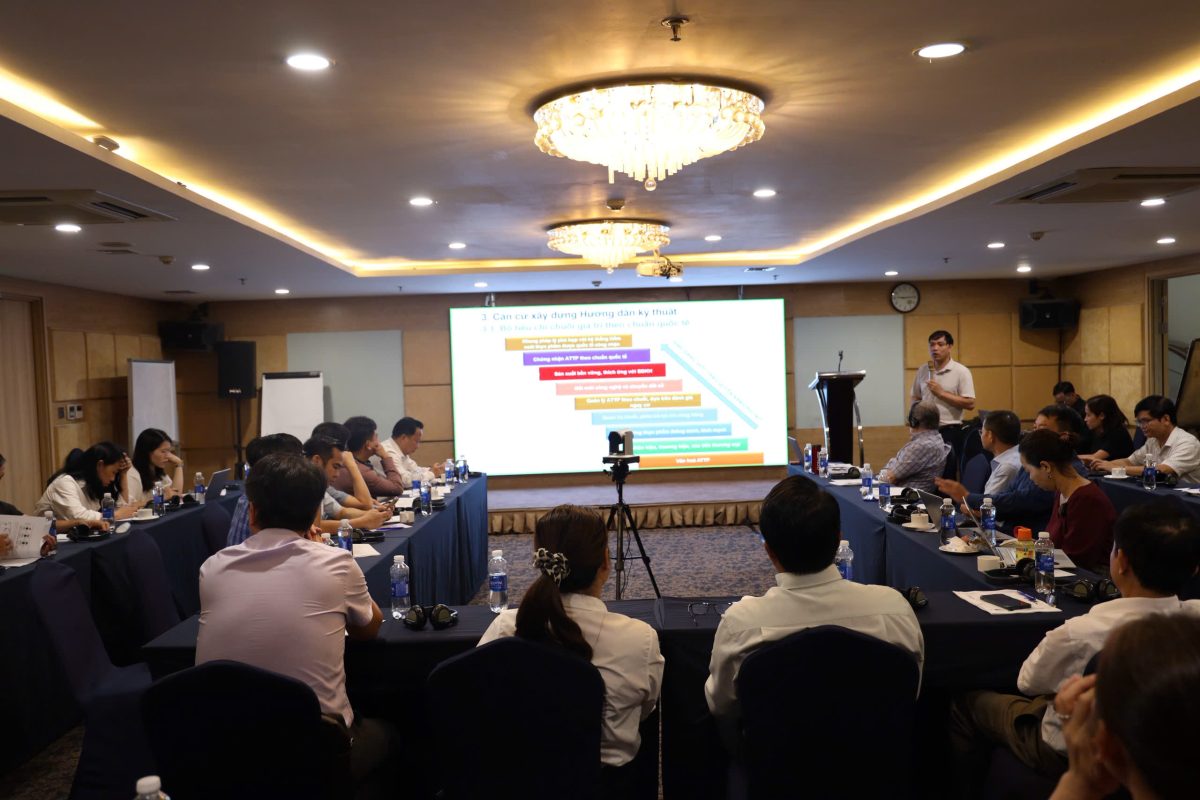
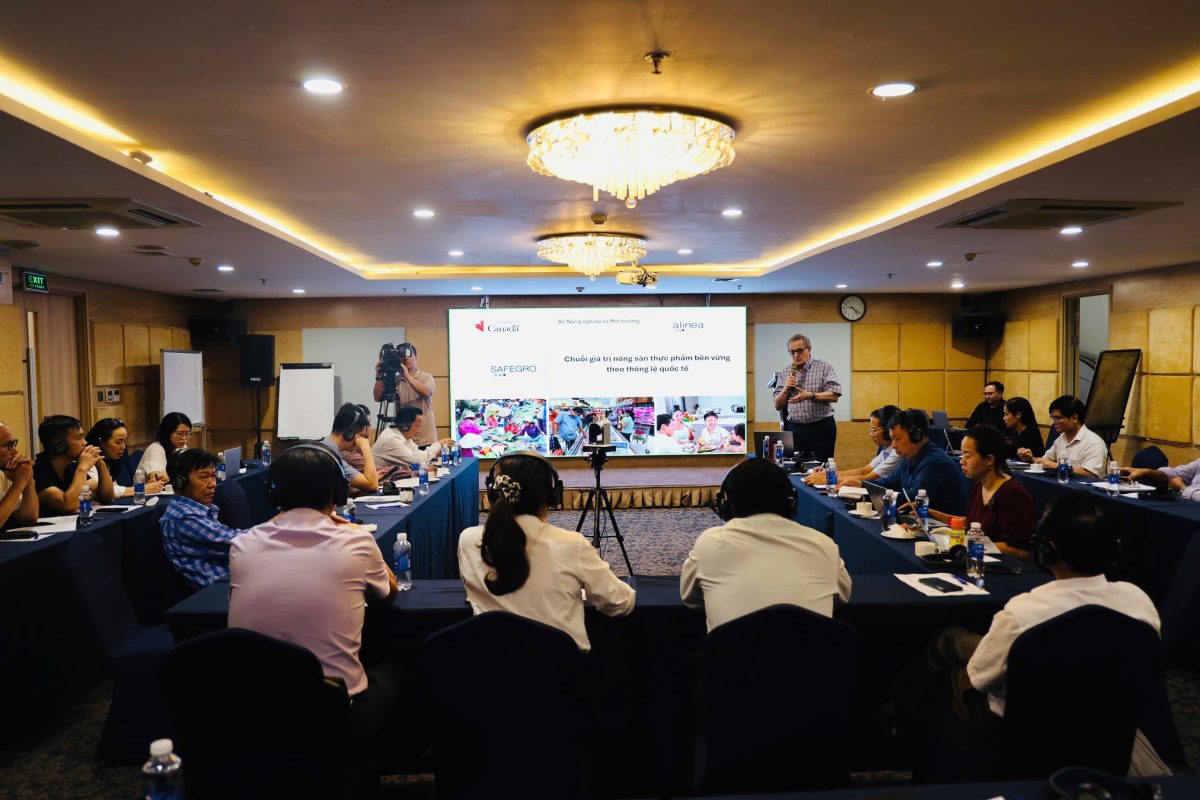
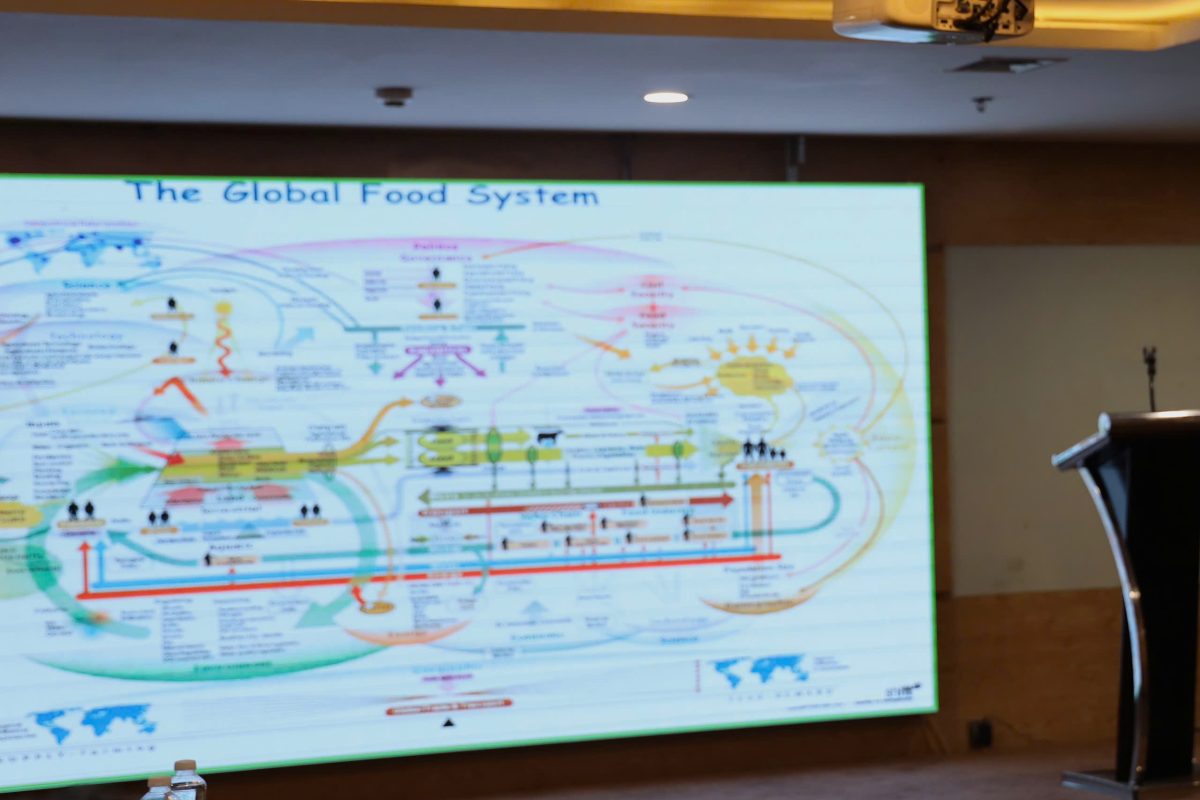
Hanoi, June 19, 2025 – The SAFEGRO Project organized the national workshop titled “Workshop on dissemination of guidelines for quality, safe, and sustanable agricultural value chains”, with participation from key model chains such as Van Duc vegetables, Hoang Long pork, Phu Loc vegetables, Thuong Thanh market, and Binh Dien wholesale market, alongside representatives from central and local authorities.
In his opening remarks, Mr. Nguyen Van Thuan (Ministry of Agriculture and Environment) emphasized:
“In the context of international integration, upgrading the food safety system to meet global standards is not just a requirement, but also an opportunity for Vietnamese agricultural products to sustainably access demanding export markets.”
At the workshop, SAFEGRO introduced a set of technical materials, including two practical handbooks on safe vegetable production and pig farming, as well as a comprehensive guide to developing value chains that integrate key elements such as food safety, traceability, climate change adaptation, risk communication, and gender equality. These documents were developed based on lessons learned from pilot models and international experiences.
Participants discussed challenges in ensuring food safety from farm to market, and the need for improved chain linkages, technical training, and effective localization of international standards.
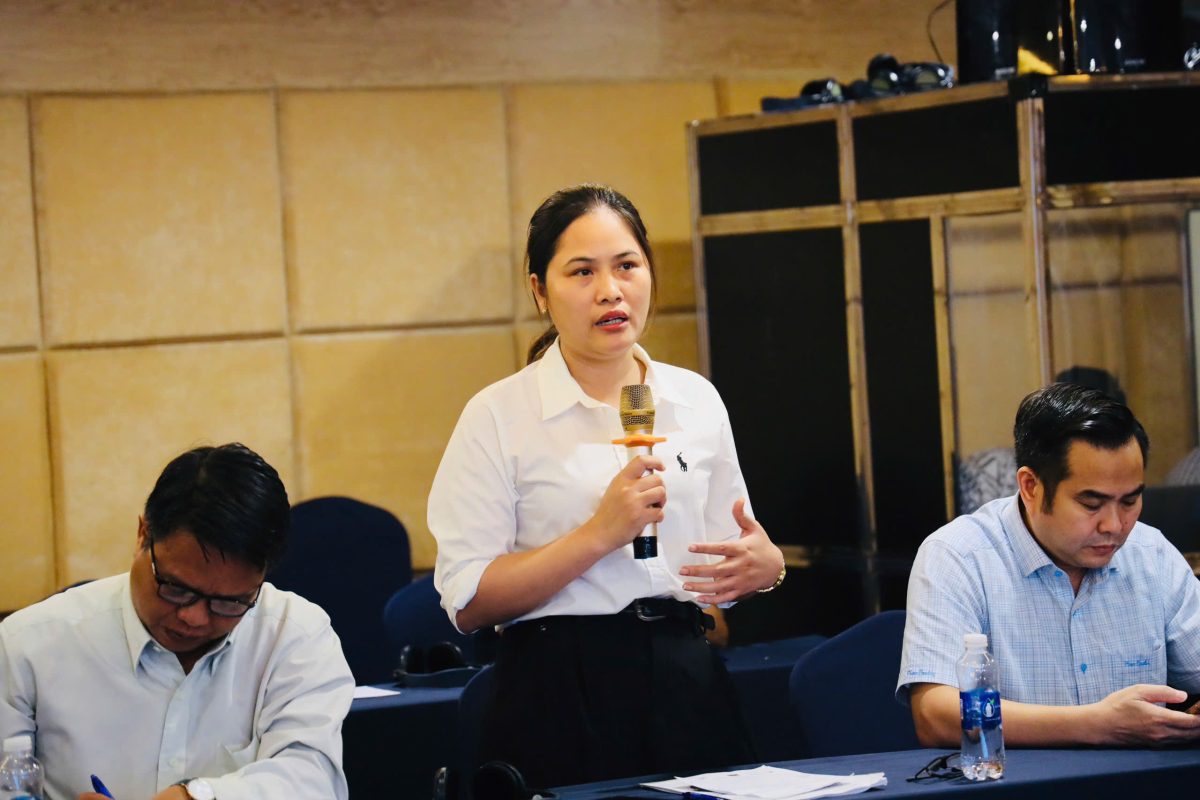
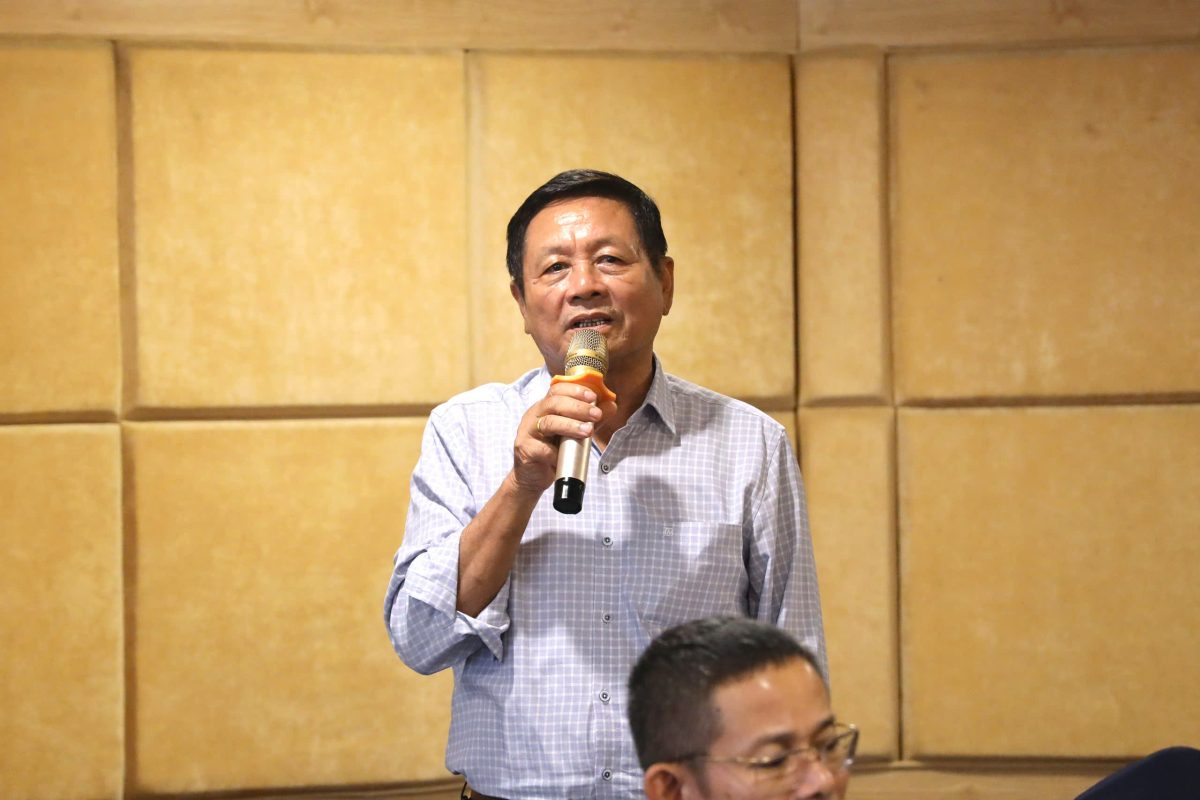
Speaking at the event, Ms. Tran Thi Huyen Trang, representative of the Hanoi Department of Agriculture, shared:
“The materials are very useful, but the concept of value chains needs clearer explanation, particularly the distinction between internationally standardized value chains and those led by a coordinating unit versus chains formed through cooperative linkages. Additionally, the current document lacks an in-depth analysis of the value chain landscape in Vietnam and concrete policy recommendations for chain development. I also wonder: for international standards, does every stage of the chain need to comply, or is it sufficient for the final product to meet export requirements?”
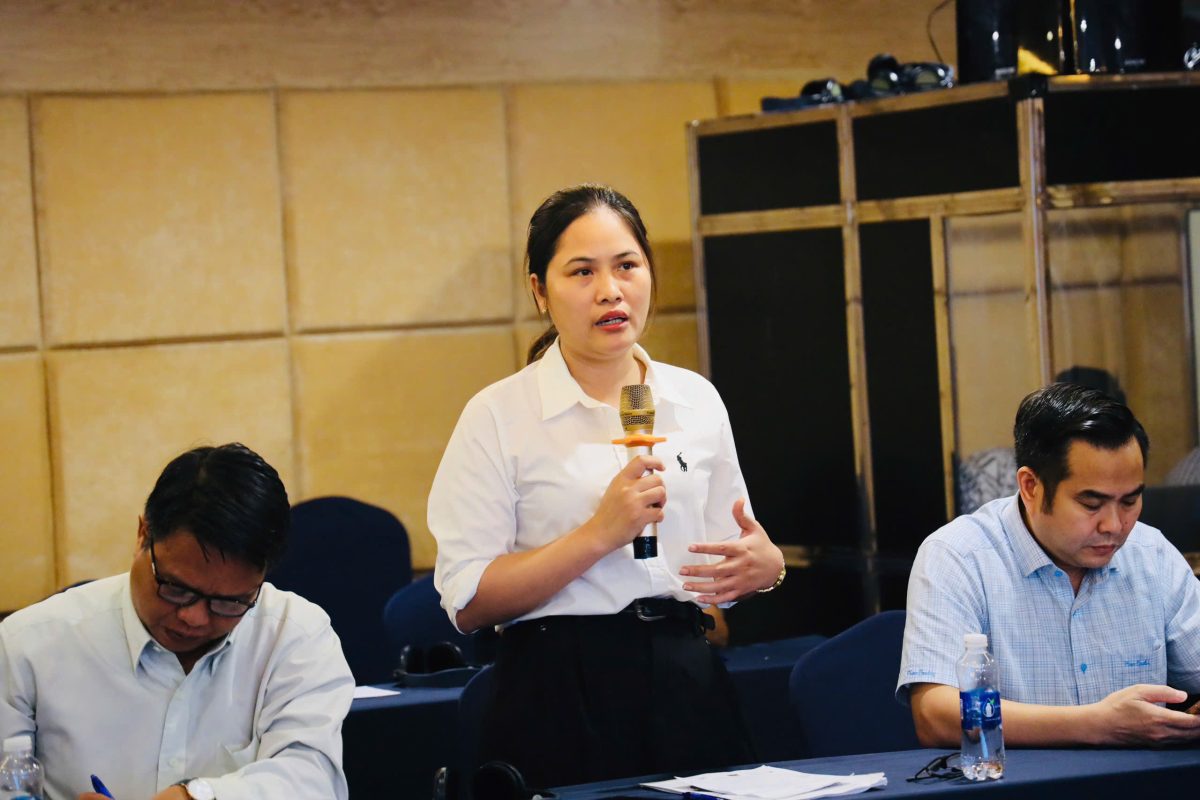
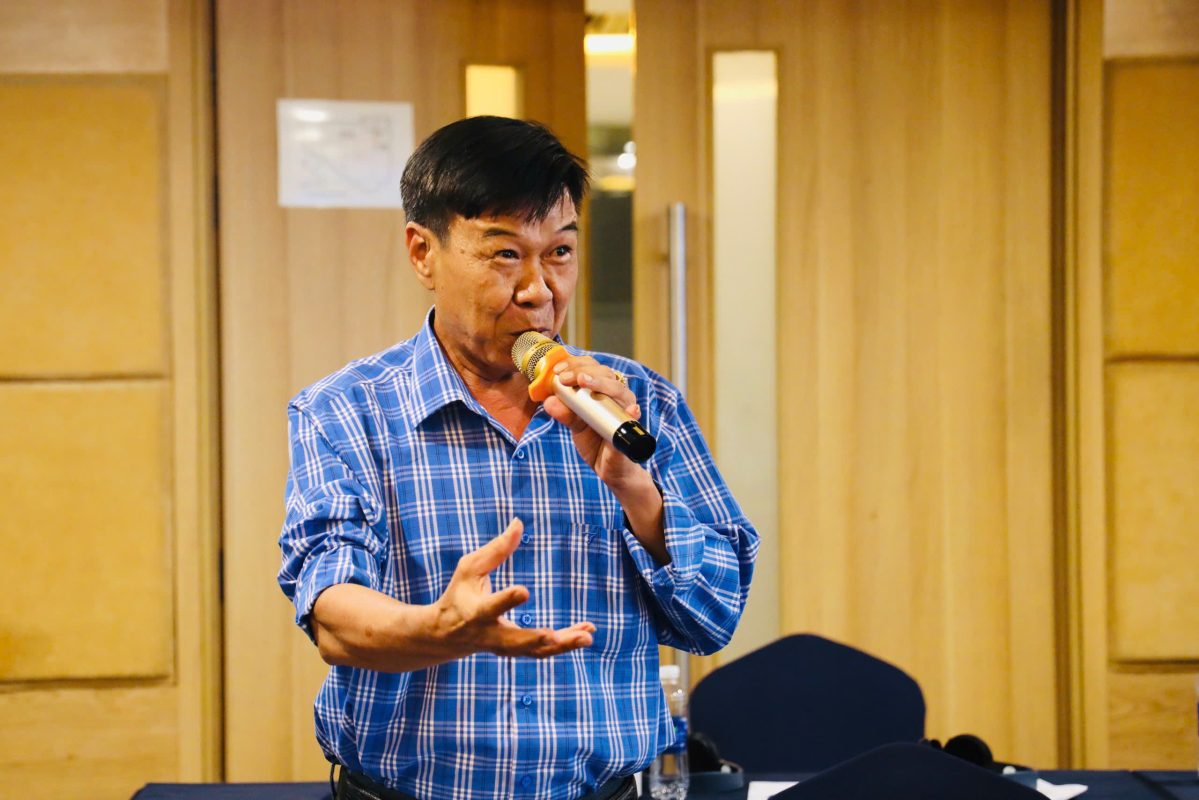
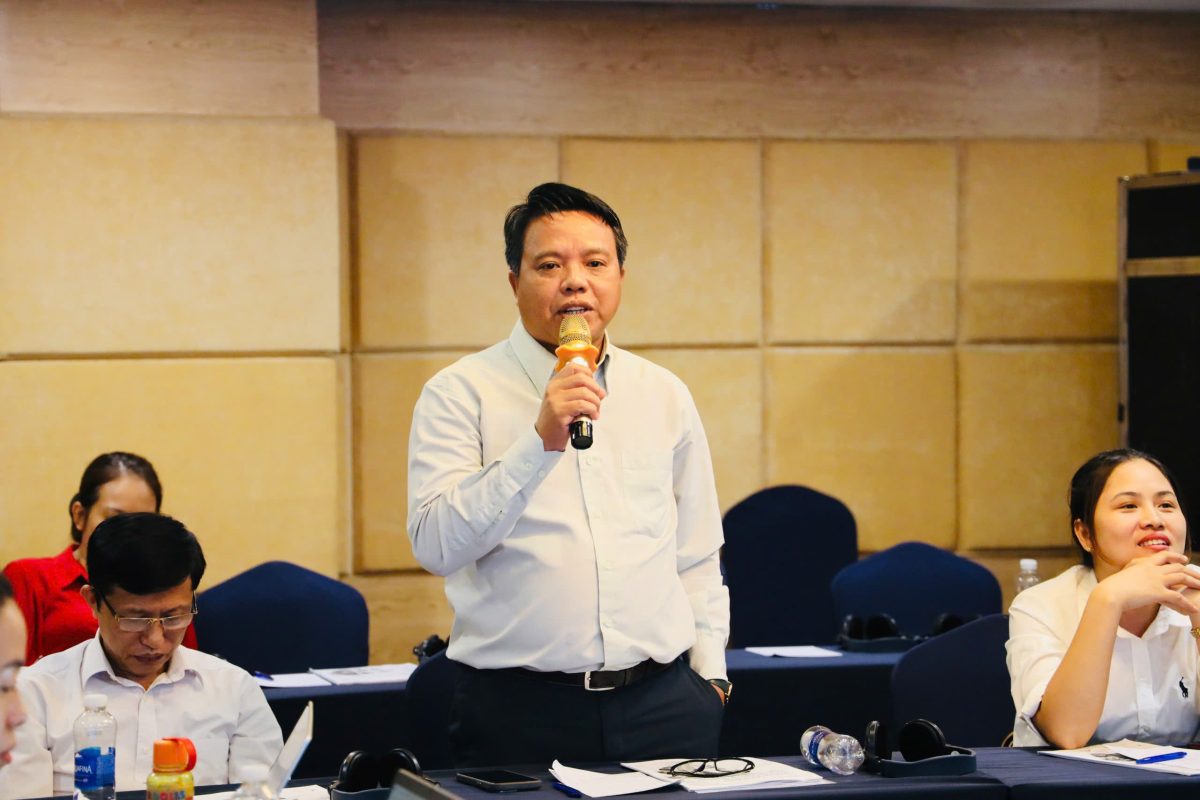
From the market’s perspective, Mr. Tran Van Thanh, representing Binh Dien wholesale market, highlighted ongoing challenges in implementing traceability and VietGAP standards:
“As Dr. Brian mentioned, traceability is conducted very professionally in Canada. However, in Vietnam, farmers are still reluctant due to high costs. Currently, only about 5% participate in VietGAP. I’m eager to learn more from Canada’s experience, especially how the government supports farmers. Furthermore, we need a specialized team to identify, assess, and manage risks across the entire chain, not just issue certification.”
The guidelines emphasize that modern agricultural value chains must ensure transparency, social responsibility, the application of traceability technologies (e.g., QR codes), promotion of gender equality, and climate change resilience, forming the foundation for green, smart, and sustainable agriculture.
The drafting team will incorporate feedback from stakeholders to finalize the materials and disseminate them widely across the country.
This workshop marks a strategic step forward, demonstrating collaboration among regulatory agencies, value chain actors, and international organizations in enhancing the position of Vietnamese agricultural products towards greater safety and sustainability.