

Source: Tiền Phong newspaper
In many restaurants today, menus almost never include allergy warnings. Yet according to the international Codex standards, of which Vietnam is a member, it is mandatory to disclose food items that pose allergy risks.
Tourists Becoming “Unintended Patients”
According to Dr. Tô Liên Thu, Food Safety Expert from the SAFEGRO Project, while Vietnam’s tourism industry is booming, gaps in food safety and medical services at many destinations still pose serious risks to visitors.
Dr. Thu shared a recent personal experience: her extended family, five households in total, took a trip to a small island in Quảng Ninh province.
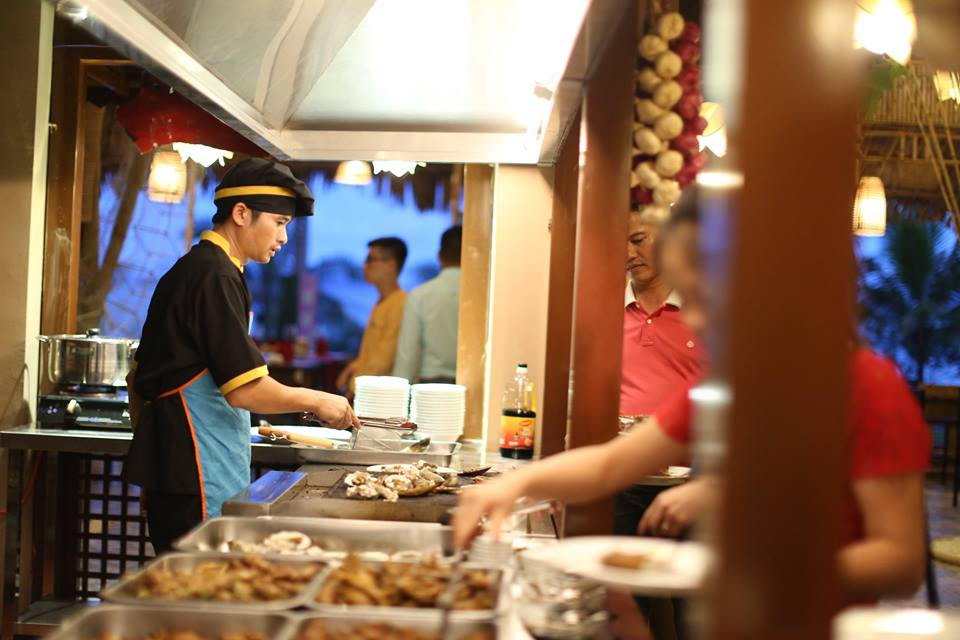
The trip began with a delightful lunch at a local town restaurant near the island. The table was full of fresh seafood dishes; everything tasted delicious, and everyone praised the meal. The plates were spotless when they finished.
“The problem began the moment I lay down to rest at the resort. I suddenly felt nauseous, my stomach cramped painfully, and I began vomiting and having continuous diarrhea. Out of the 11 family members, I was the only one affected. Looking back at the menu, the most likely culprit was the clams in the seafood sour soup, the only ingredient I’ve ever had an allergic reaction to,” Dr. Thu recalled.
Panic ensued. The 4-star resort had only basic first aid supplies, bandages, medicated oil, and antiseptic, but no anti-allergy medication or medical personnel. The local clinic lacked essential medicine as well. Instead of enjoying the beautiful scenery, she ended up being transported back to the mainland by speedboat, now a patient in need of emergency care.
Dr. Thu emphasized that most restaurants in Vietnam lack allergen warnings on their menus, despite Codex international standards requiring disclosure of allergenic foods. In many countries, the list includes shrimp, crab, shellfish, milk, eggs, peanuts, soybeans, gluten, and sesame. Adding such labels directly to menus helps customers avoid unfortunate incidents.
Even in supermarkets, many packaged foods still lack mandatory allergen information, a serious omission under Codex regulations.
The risk is not negligible: a meta-analysis of 105 studies found that 4.3% of the global population suffers from food allergies, 4.2% in Asia, 4.8% in Europe, and up to 7.5% in Australia. This means that in a tour group of 100 people, 4 to 5 individuals could face health risks if allergen labeling is absent.
Gaps in Food Safety and Medical Services in Tourism
According to Dr. Thu, her story is just one small example of how Vietnam’s tourism industry often overlooks food safety and medical preparedness.
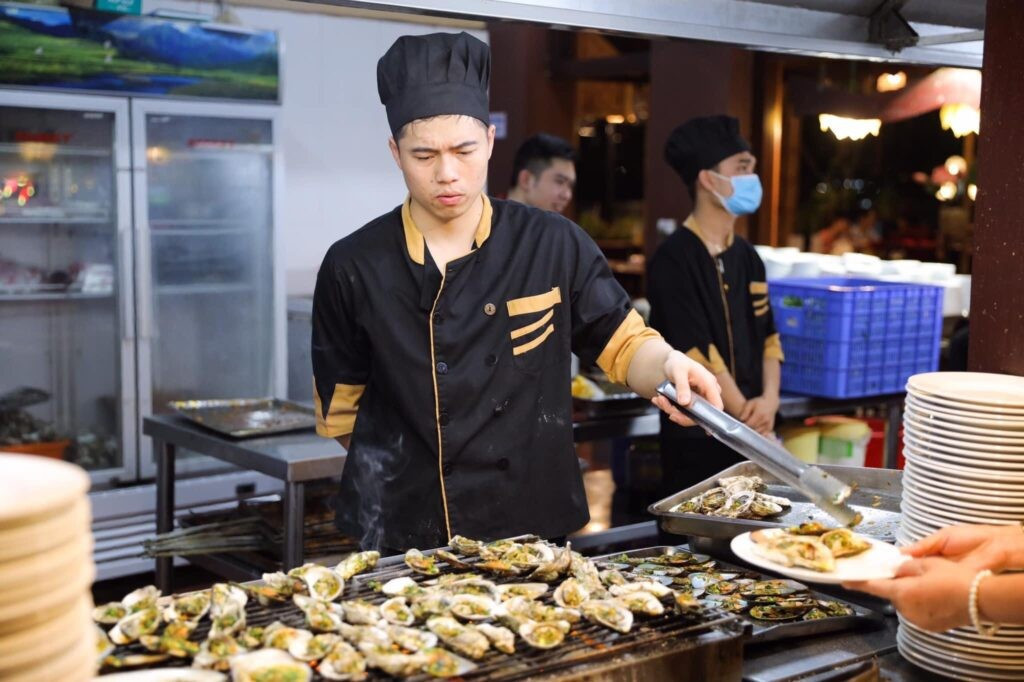
In many developed countries, kitchen and service staff are required to hold certified food hygiene or food safety certifications appropriate to their level. They are trained to maintain hygiene, prevent cross-contamination, and identify and warn customers about potential allergens. In Europe and the U.S., failing to provide allergy warnings can lead to lawsuits and heavy compensation for restaurants.
Resorts often cater to a wide demographic, from children to the elderly, groups particularly vulnerable to health risks. In Singapore, Thailand, and Japan, resorts typically have on-site medical staff, first aid kits, and established connections to nearby hospitals. Some even integrate telemedicine services for remote emergency support.
By contrast, many 4-star resorts in Vietnam have only basic first aid supplies, meaning minor incidents can quickly escalate into major emergencies, especially in island areas far from the mainland.
Vietnam’s tourism industry has grown rapidly in recent years, ranking among the fastest in Southeast Asia. Culinary and leisure tourism are key strategic products. Yet, ignoring safety is like “building a villa on sand.”
To truly make Vietnam a “paradise of cuisine and leisure,” food safety experts from SAFEGRO emphasize the urgent need to close gaps in food and health safety. Mandatory allergen warnings on menus and packaging should be enforced, and all kitchen and service staff must obtain food safety certification.
Resorts should also maintain 24/7 staffed medical stations equipped with essential emergency medications and establish partnerships with nearby hospitals or telemedicine providers. The Ministry of Health, together with the Ministry of Culture, Sports and Tourism, should develop a comprehensive set of safety standards (covering food, health, and the environment) for resorts and conduct regular inspections to ensure compliance.
“A destination is remembered not only for its beautiful beaches or delicious food but for the peace of mind it gives visitors. Otherwise, what should have been a sweet, memorable vacation can turn into a two-part trip, sightseeing in the morning, hospitalization in the afternoon, and that’s certainly not the image Vietnam’s tourism industry wants to promote,” Dr. Thu concluded.