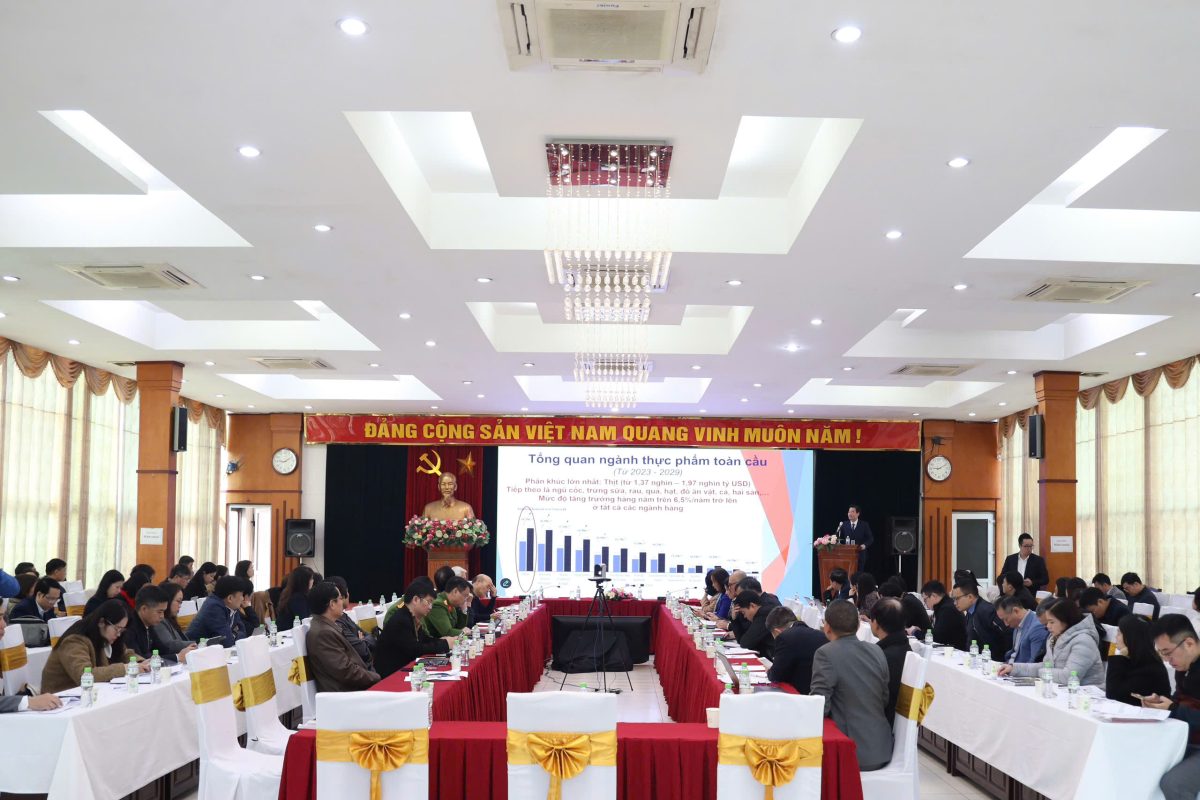
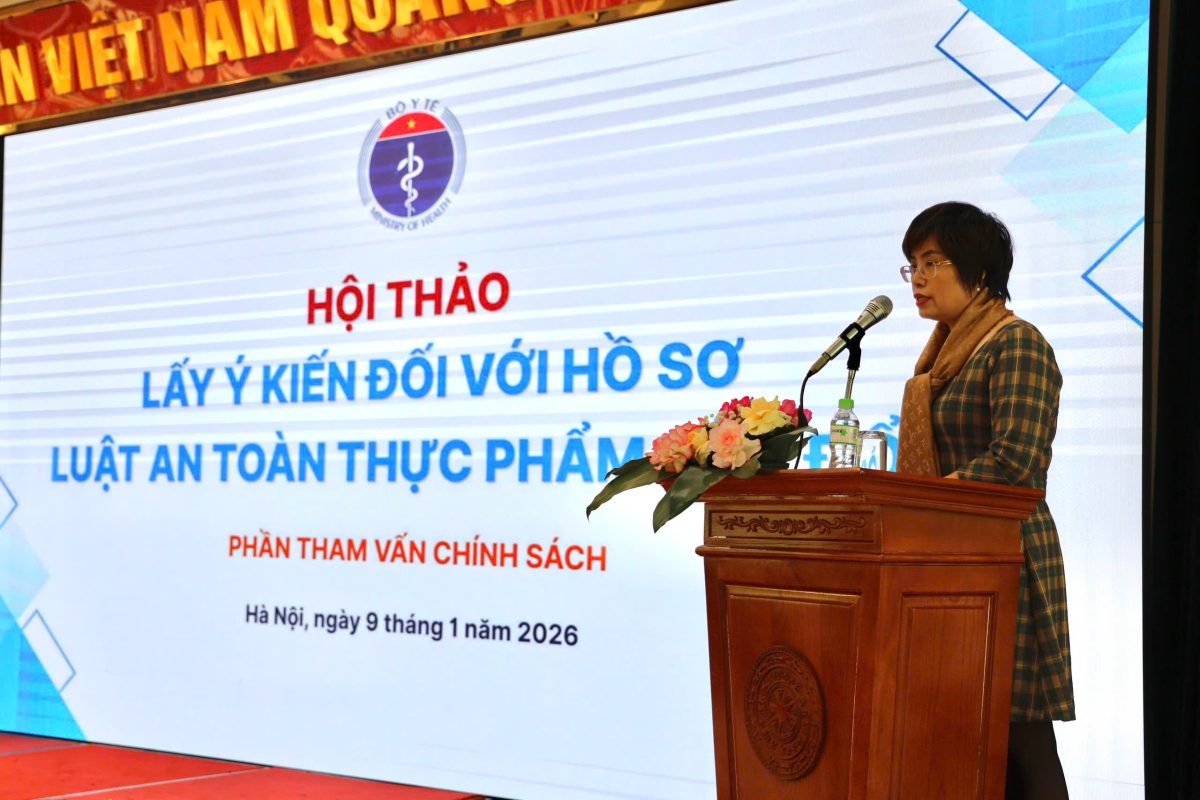
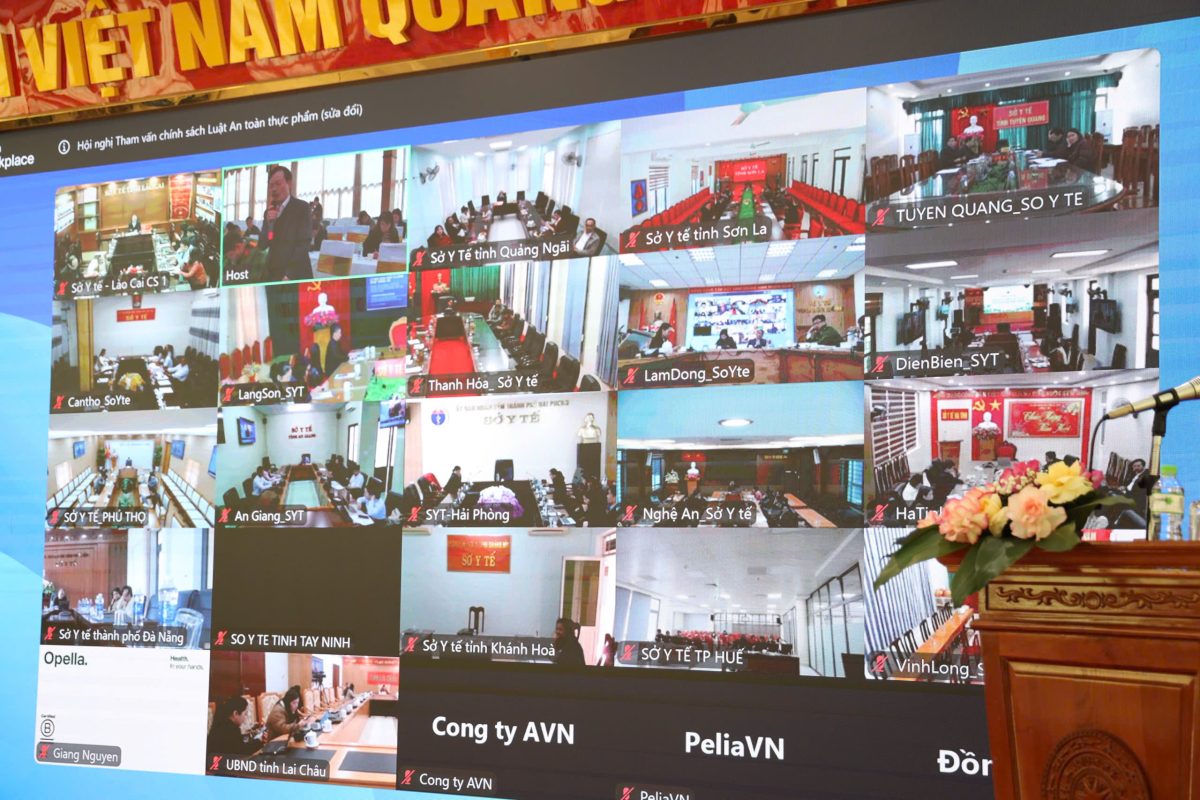
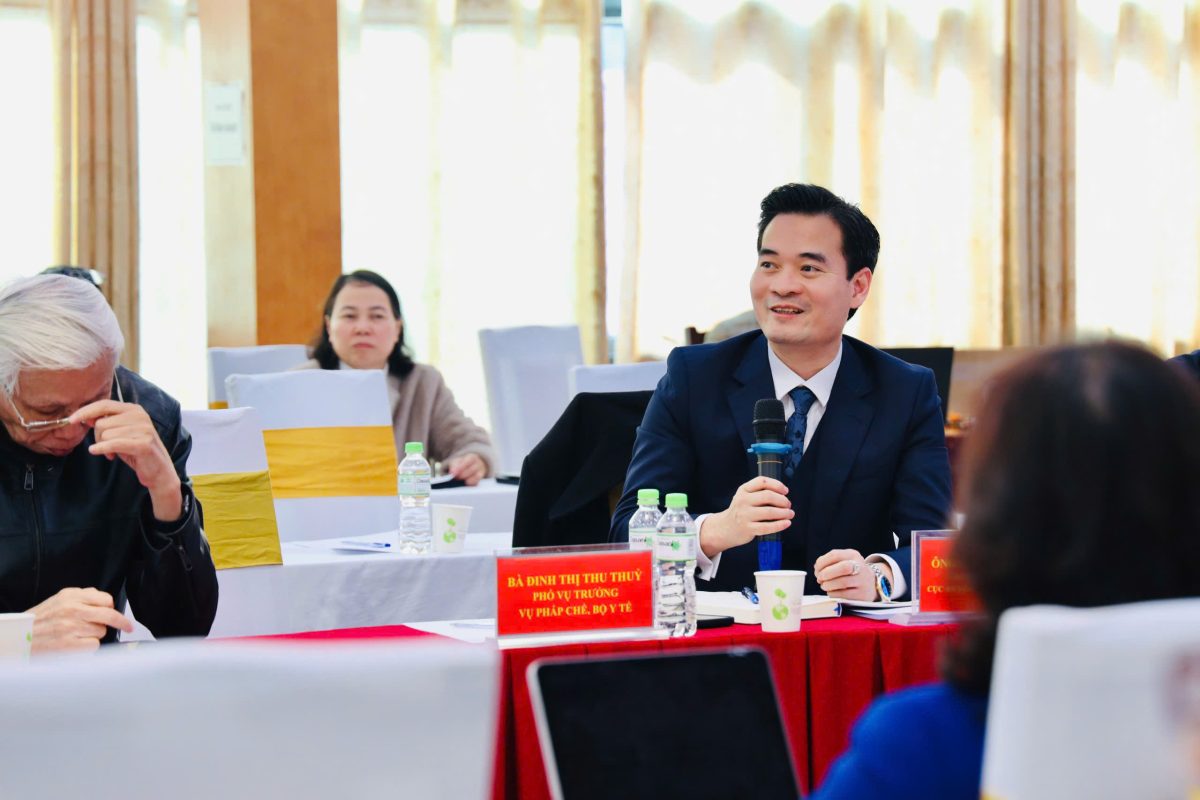
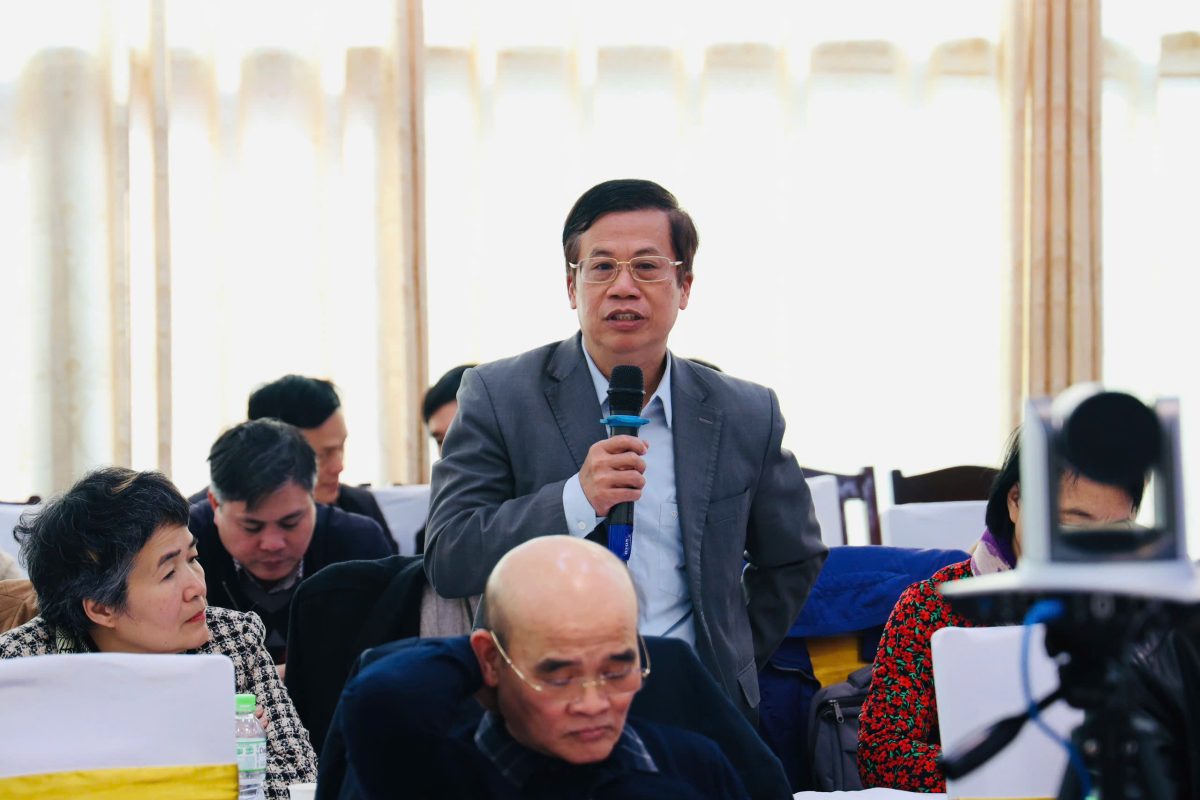
On January 9, the Ministry of Health convened a policy consultation workshop on the revised draft Law on Food Safety, with the participation of representatives from the National Assembly, line ministries, local authorities, experts, and relevant organizations. The consultation took place as the Law on Food Safety has been in force for more than 15 years and now faces growing pressure to adapt to major changes in the food market and Vietnam’s deeper integration into the global economy.
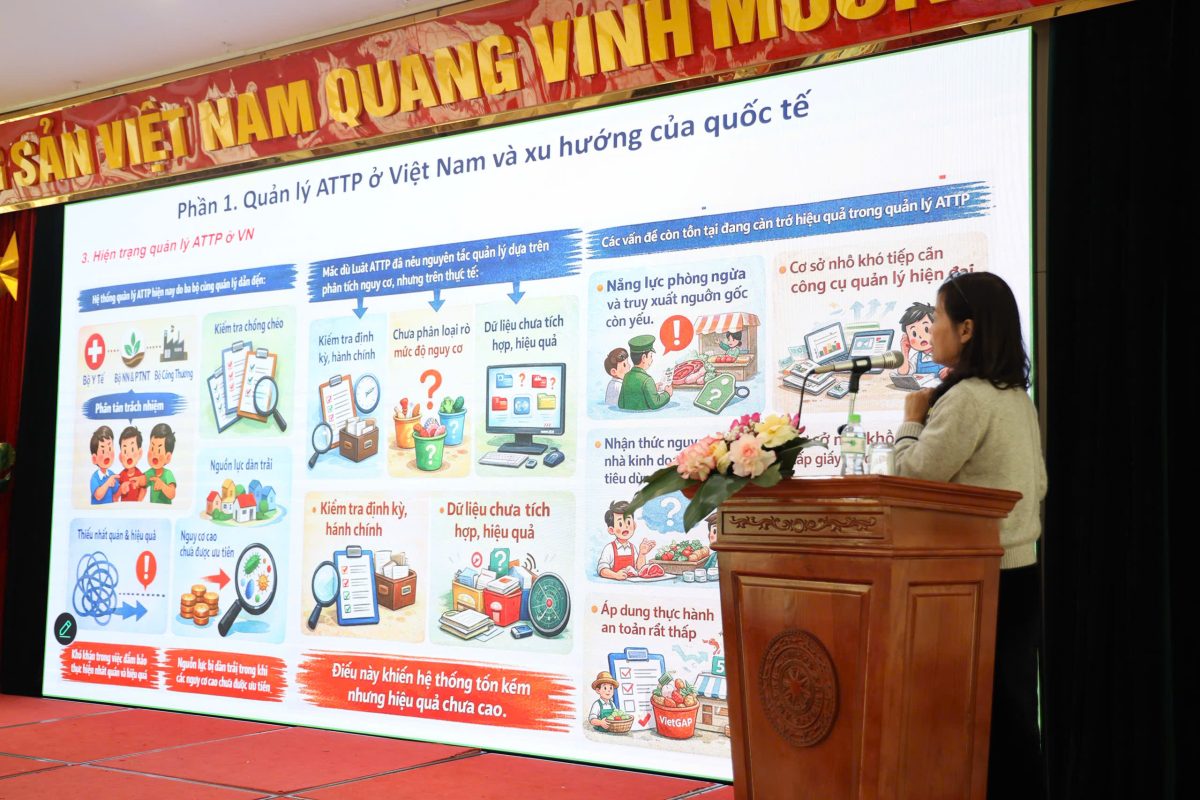
When the Law on Food Safety was enacted in 2010, Vietnam’s food supply chains were relatively simple. More than a decade later, urbanization, the expansion of the domestic market, the rise of e-commerce, and the rapid growth of food imports and exports have significantly increased both the scale and complexity of the food system. Meanwhile, the current management model, involving three ministries, has increasingly revealed limitations in the allocation of responsibilities, coordination of resources, and capacity to address food safety risks that extend beyond the boundaries of a single locality.
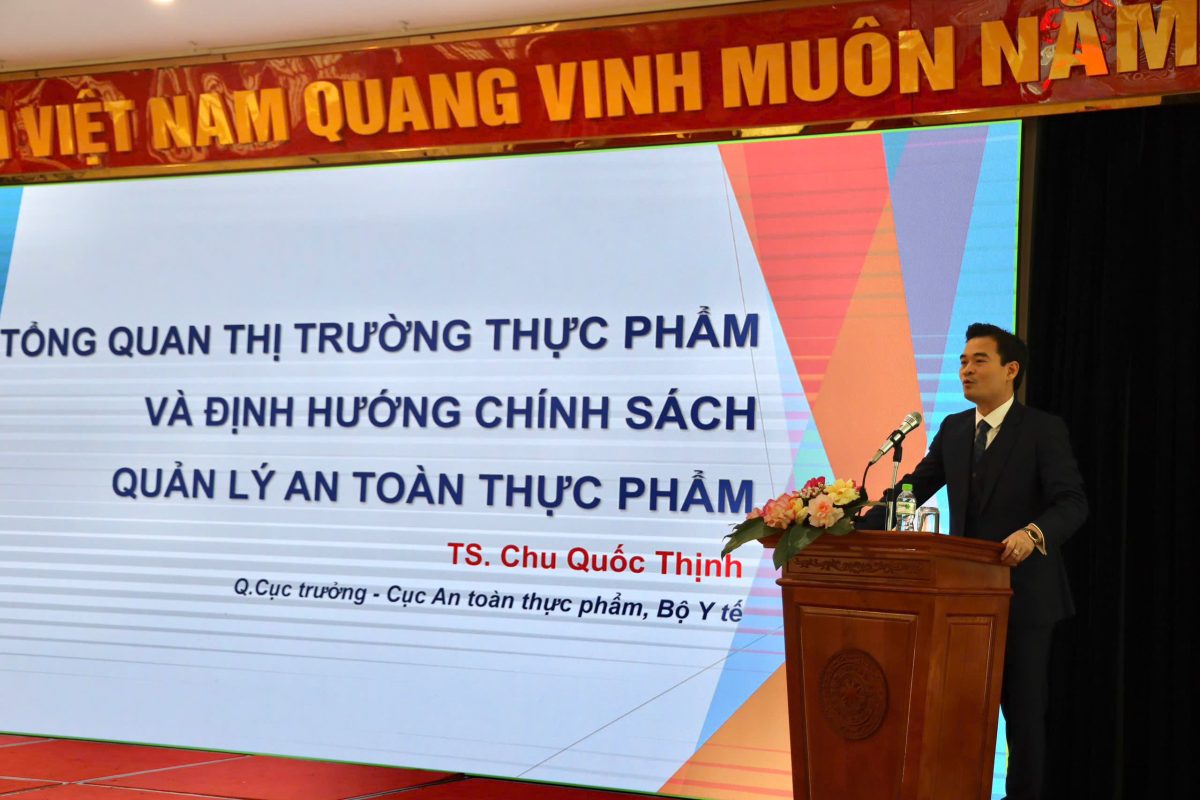
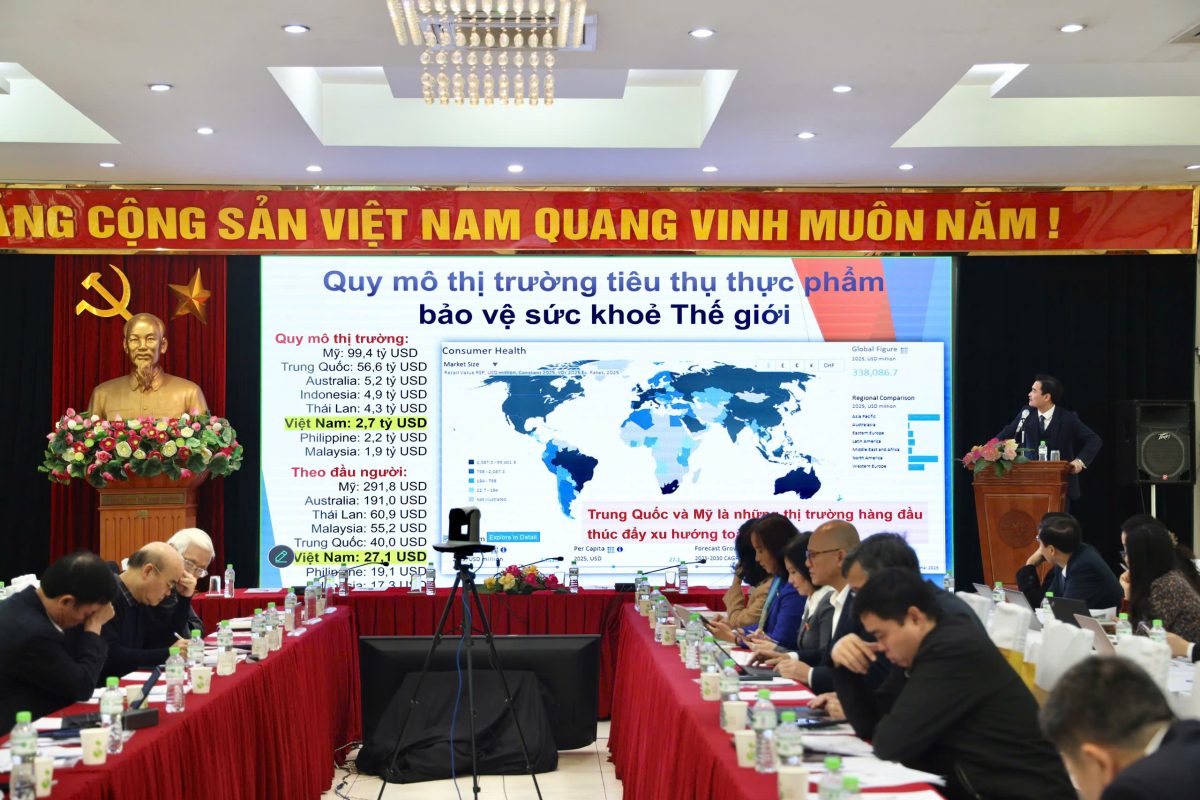
According to Mr. Chu Quoc Thinh, Acting Director General of the Vietnam Food Safety Authority under the Ministry of Health, this situation needs to be viewed in a broader comparative context. He noted that globally, unsafe food causes an estimated 600 million cases of illness and more than 420,000 deaths each year. In Vietnam, the food market has reached an estimated value of around USD 95 billion, with food exports exceeding USD 62 billion in 2024 alone. These figures, he emphasized, illustrate how the demands placed on food safety management today are fundamentally different from those at the time the Law was adopted more than 15 years ago.
One issue on which many participants reached consensus during the workshop was the need to shift from a broad, uniform approach to food safety management toward a risk-based approach. While this principle is already mentioned in the current Law, it has not yet been fully implemented in practice. Widespread inspections and heavy reliance on end-product testing not only consume significant resources but also limit the system’s ability to prevent food safety risks at an early stage.
Against this backdrop, the proposals presented by the Safe Food for Growth project (SAFEGRO) were framed as systematic policy options. Rather than advocating for abrupt structural change, SAFEGRO focuses on designing a model that can be implemented gradually, in line with Vietnam’s institutional context and current enforcement capacity.
A key feature of SAFEGRO’s proposals is the reorganization of the food safety management system toward greater coherence, alongside strengthened coordination across different levels of governance. The model emphasized includes an additional regional coordination layer, complementing the central and provincial levels. Under this model, a unified, independent, and semi-autonomous Vietnam Food Safety Authority (VFSA) would operate at the central level. The VFSA, managed under the Ministry of Health while maintaining a certain degree of autonomy, would oversee all sanitary and phytosanitary functions, including food safety, through an administrative structure extending from the central level to provinces and down to communes.
Operating as a specialized agency with autonomy over its operations and budget, the VFSA would be responsible for policy implementation, public services, standard setting, and overall supervision. The regional level would coordinate inter-provincial issues, manage food safety incidents, oversee risks beyond the capacity of individual provinces, and control import and export activities. Provincial authorities would continue to manage food safety directly within their jurisdictions.
This approach reflects the operational reality of modern food supply chains. Food safety risks rarely originate and end within a single administrative boundary. Production, slaughtering, processing, and distribution activities often span multiple localities, while management capacity varies significantly among provinces. The introduction of a regional coordination layer is expected to enable more timely responses and reduce fragmentation in policy implementation.
Speaking at the workshop, Dr. To Lien Thu, a policy and institutional expert from SAFEGRO, succinctly highlighted the rationale behind this approach. She noted that effective management does not lie in conducting more inspections, but in ensuring that the system has sufficient capacity to control risks more effectively across the country through a science-based, risk-oriented approach.
Beyond institutional arrangements, SAFEGRO also emphasized risk-based food safety management as a core pillar throughout the system. Under this approach, inspection and surveillance resources should be prioritized for products, facilities, and operations that present higher risks, rather than applying the same level of control to all. Many participants agreed that this approach aligns well with international practice and with the realities of Vietnam’s limited regulatory resources.
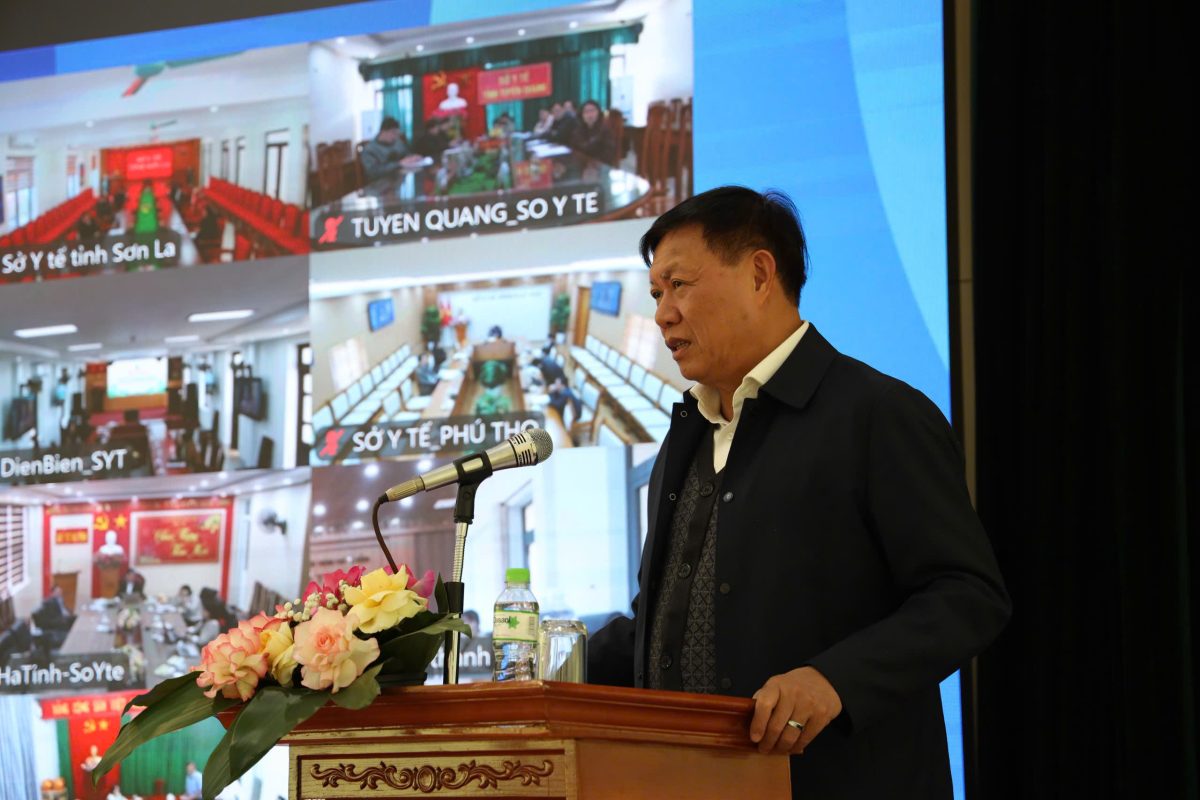
In his concluding remarks, Deputy Minister of Health Do Xuan Tuyen underscored the urgency of revising the Law on Food Safety in the current context, describing it as essential for protecting public health. He cited guidance from General Secretary To Lam, who stressed the fundamental role of food safety for the health system and society as a whole: “If food safety is not ensured, no matter how many hospitals are built or how many doctors are trained, the problem cannot be solved.”
According to Deputy Minister Do Xuan Tuyen, the revision of the Law should aim to change management thinking, shifting from pre-market control to post-market control based on risk assessment, while strengthening decentralization and delegation of authority with clearly defined accountability. He also highlighted the importance of data and information technology in building a transparent, effective management system capable of continuous oversight.
Regarding the legislative roadmap, the Deputy Minister noted that the Ministry of Health is finalizing the policy dossier for submission to the Government, as a basis for proposing the revised Law to be included in the National Assembly’s legislative agenda for 2026. The objective of this revision is not merely to amend specific provisions, but to establish a legal foundation for a food safety management model that is better aligned with Vietnam’s development trajectory and international integration.
The workshop in Hanoi marked the beginning of a broader policy consultation process for the revised Law on Food Safety. According to the plan, a follow-up consultation will be held in Ho Chi Minh City to gather further input from southern provinces, the business community, and other stakeholders across the food supply chain.
In a field so closely linked to public health, building a management system that is feasible, risk-based, and capable of gradual implementation is widely seen as a critical condition for ensuring that the revised Law on Food Safety can be applied effectively and sustainably in practice.