An ancient village and a governance puzzle between tradition and modernity
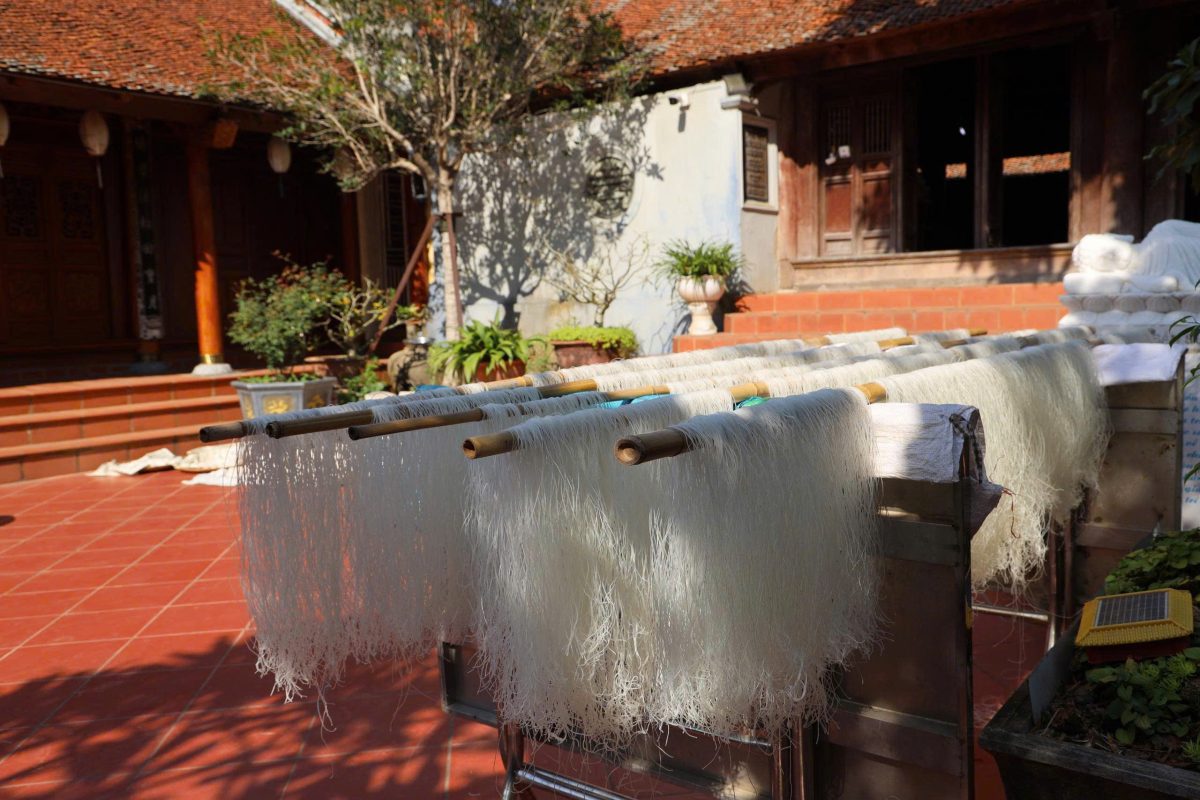
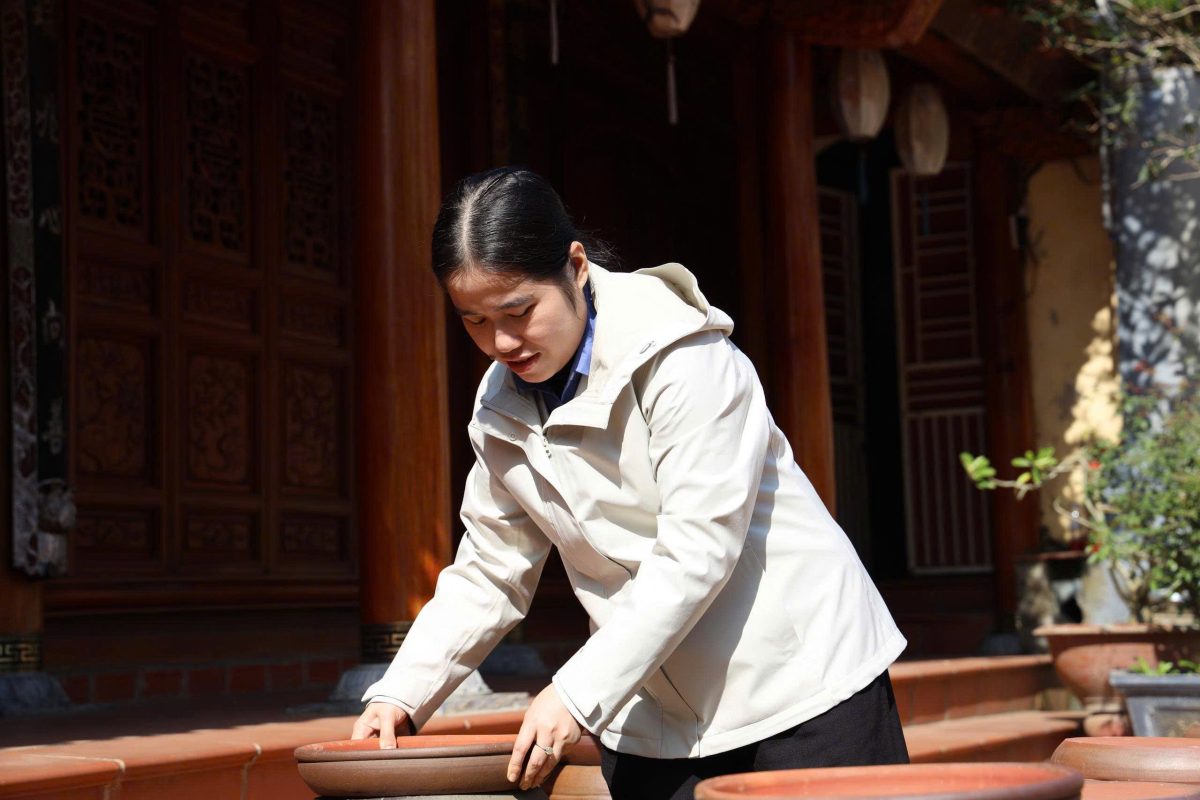
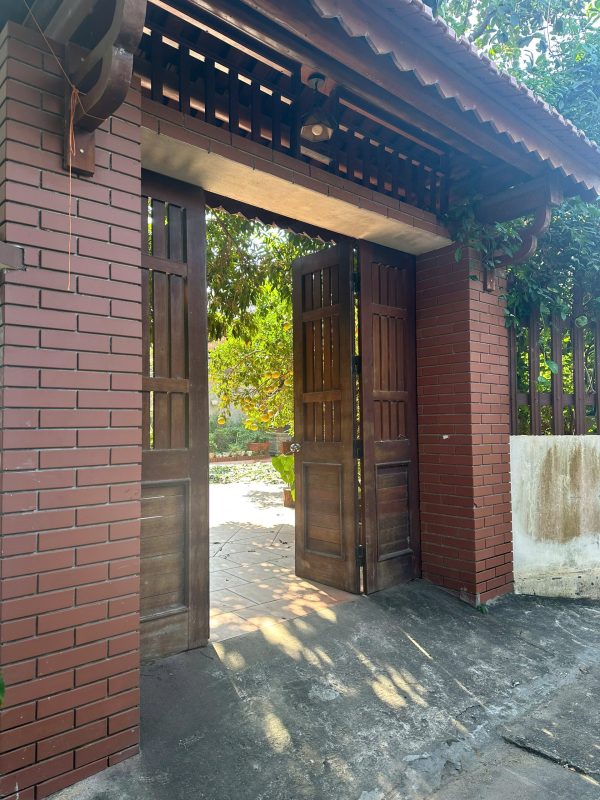
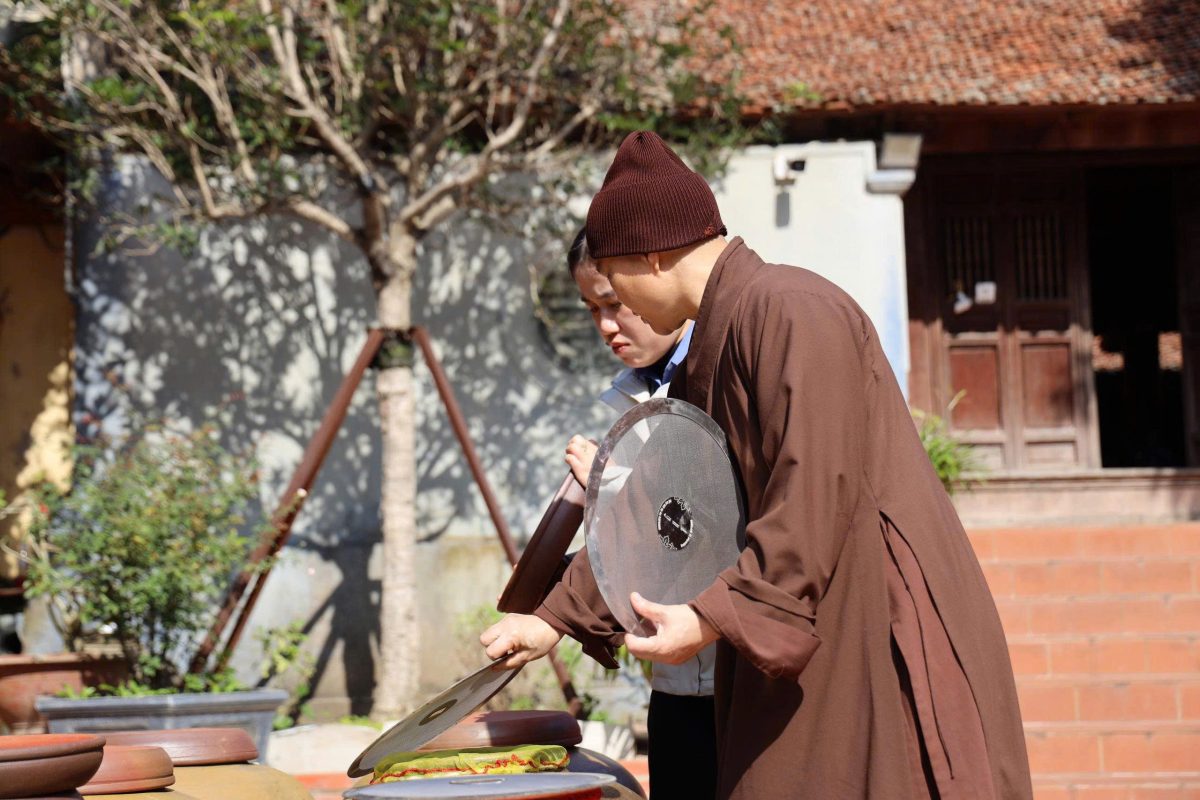
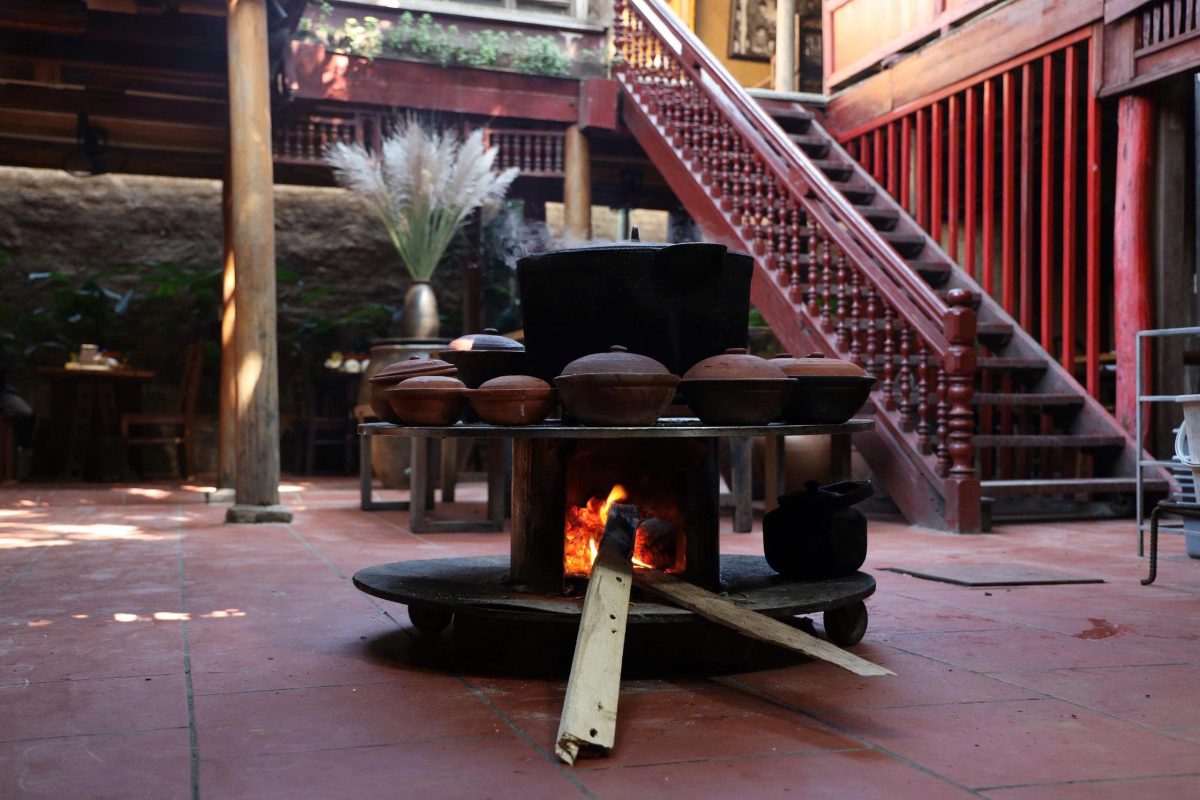
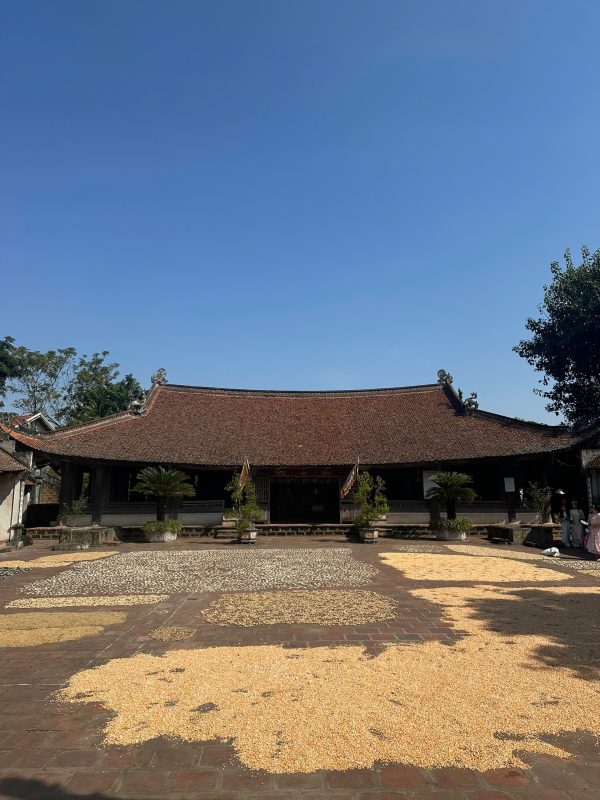
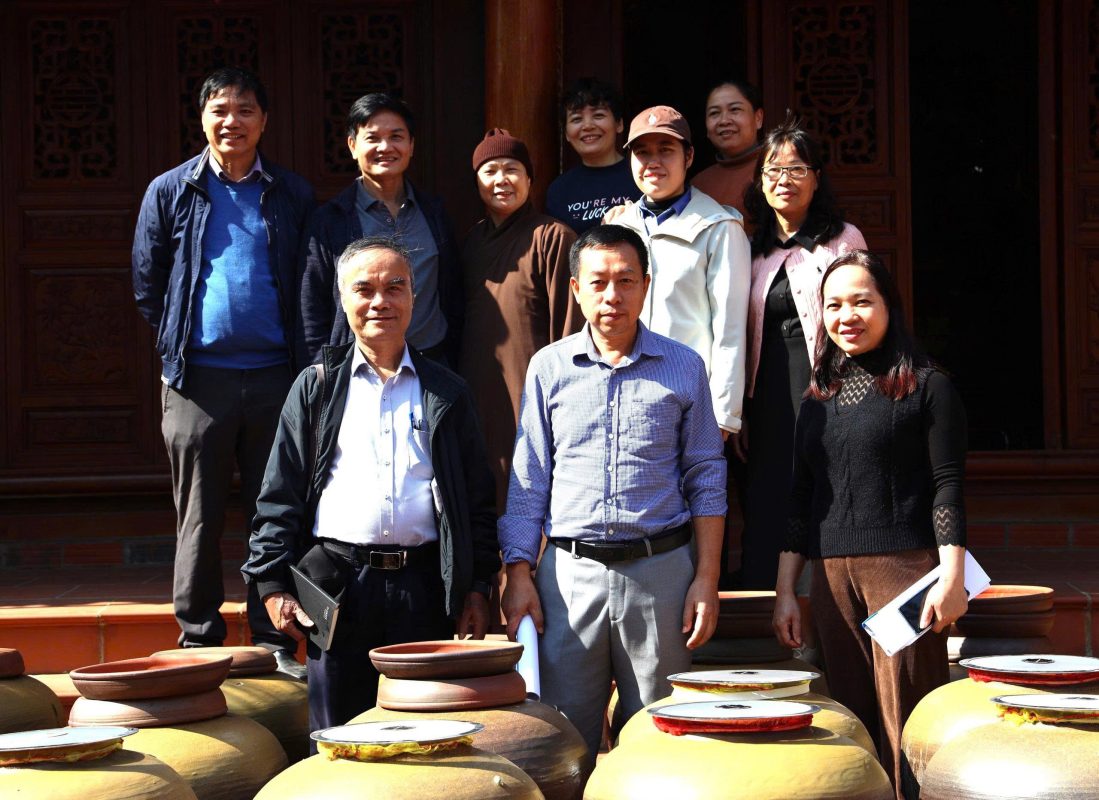
For generations, Duong Lam has stood as one of Hanoi’s most distinctive ancient villages, its stone houses, soy sauce workshops and rustic market stalls woven into a cultural landscape centuries old. But behind the beauty lies an understated truth: food safety has long depended on inherited know-how, household discipline and informal reminders from overstretched local officials.
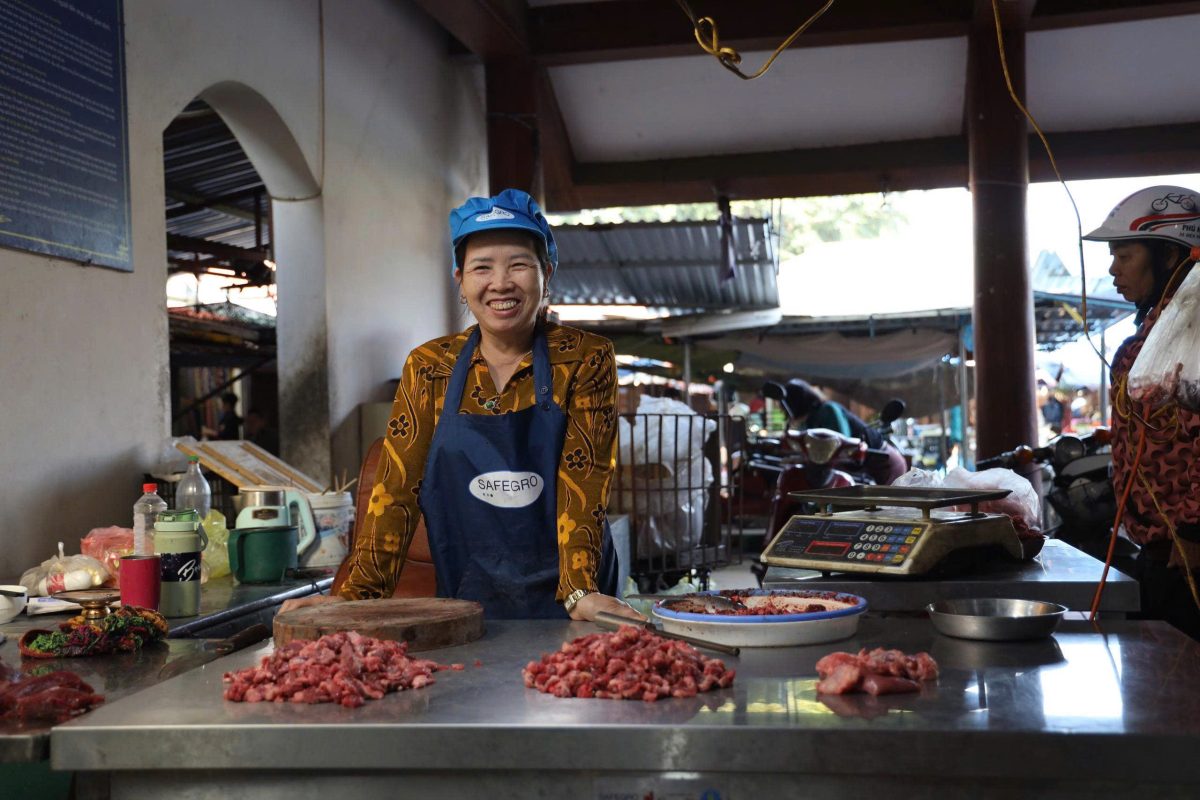
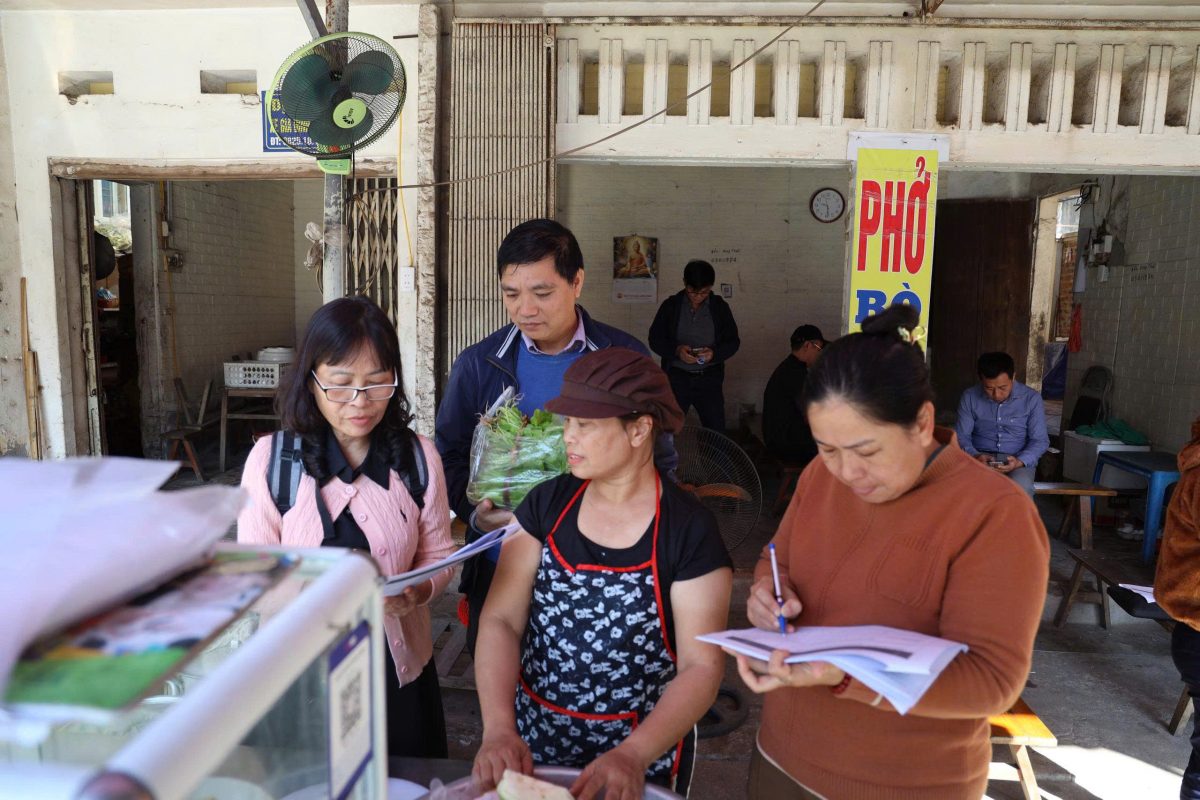
The commune counts 193 food production and business establishments, the highest in Son Tay ward. Most are home-based operations or street-food stalls, where cooking and processing take place in the same spaces where families live. It is a model common across Viet Nam, shaped by necessity and tradition. Yet it sits uneasily with modern food safety regulations originally designed for formal enterprises. Oversight has grown harder under the two-tier local administration, where a handful of officers must monitor a wide landscape of small producers.
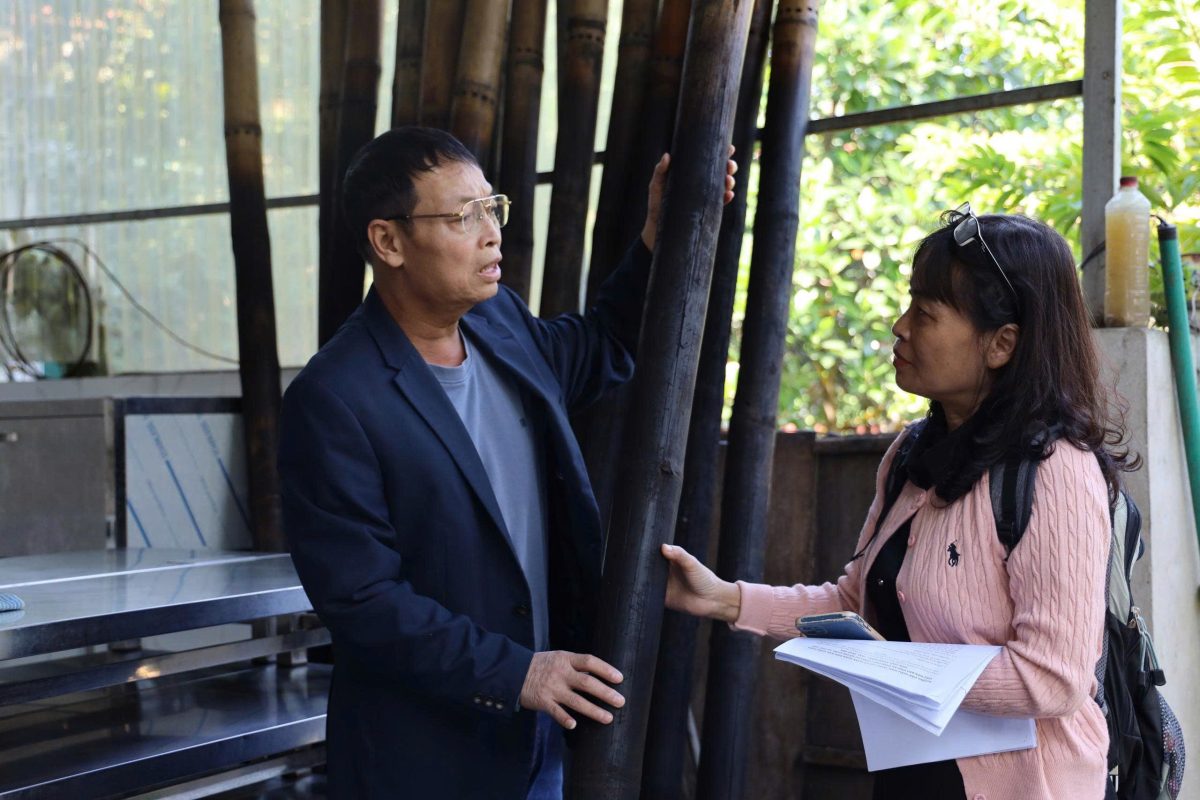
A seasoned local official put it plainly: “This project is like clearing new ground for food safety in Duong Lam.”
It was a remark that revealed the core challenge. The issue is not decentralisation itself, but what happens after. Officers at the grassroots level are tasked with responsibility but lack both the technical training and the practical tools to carry it out.
Regulations without tools: An institutional gap layered upon a practical one
Viet Nam’s food safety framework is extensive. Ministerial checklists span infrastructure, hygiene practices and traceability. Circular 17/2024 lays out criteria from building structure to pest control, designed for provincial inspection teams.
But at commune level, where staff juggle multiple duties, these tools are unwieldy. For home-based producers, they feel distant, almost unreachable. The gap between the written rule and daily reality means the local oversight system cannot function as intended. Officers lack simple tools to guide inspections. Producers lack templates, traceability methods and basic hygiene procedures suited to cramped household kitchens. Evidence-based management is barely present.
This is the gap SAFEGRO stepped in to address.
SAFEGRO and the experiment of building a local management platform
Rather than rely on short-term training or communication campaigns, SAFEGRO chose a different path: constructing a set of food safety management tools tailored to the commune level.
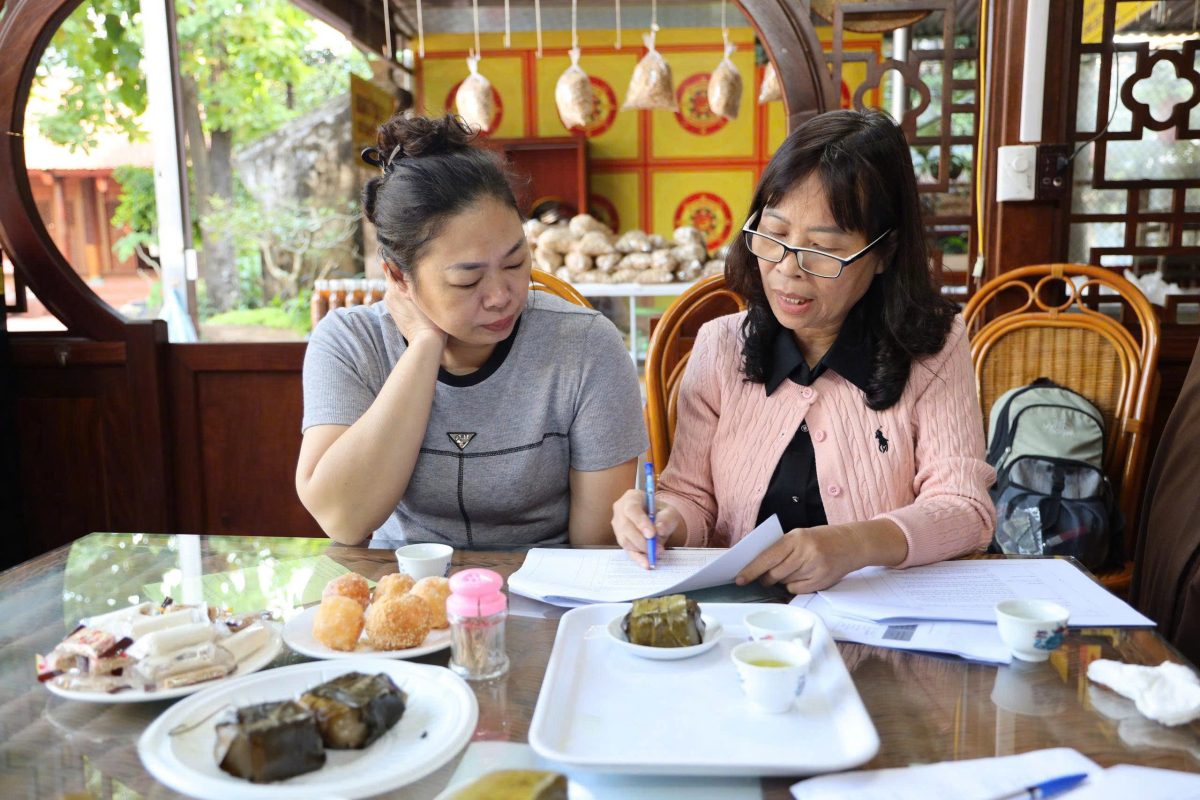
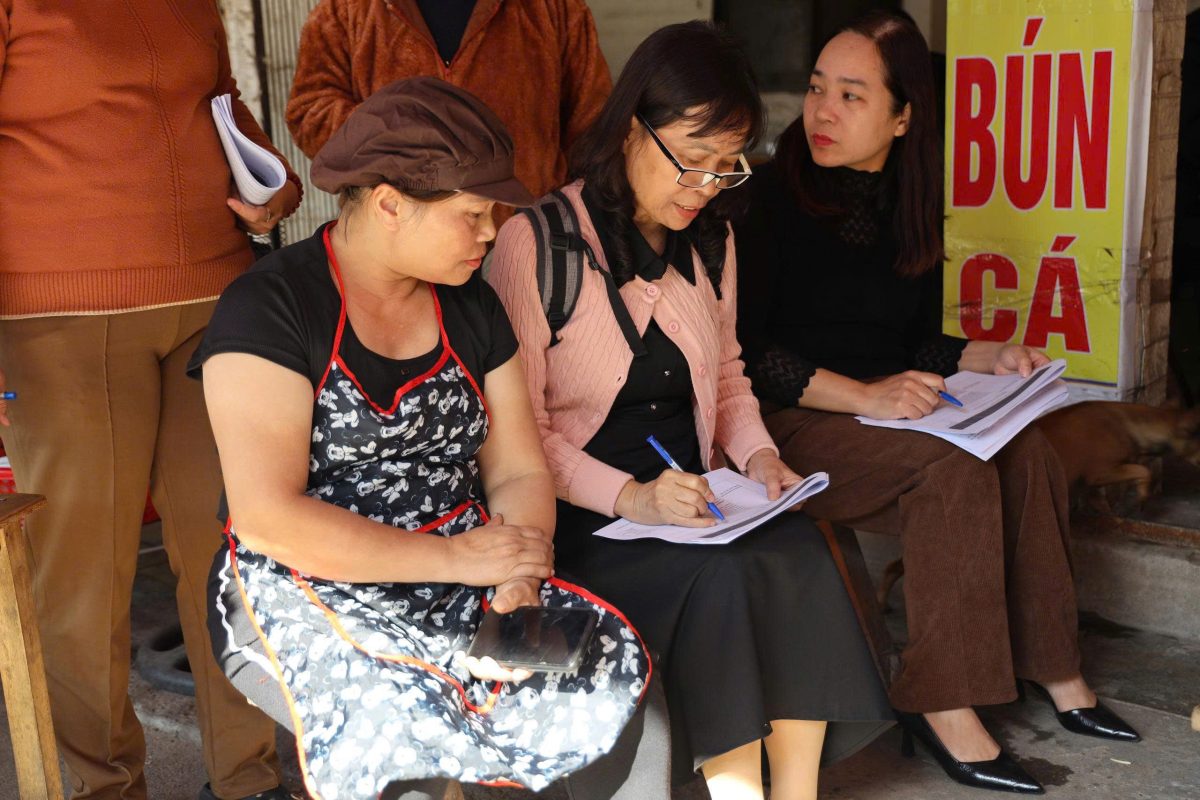
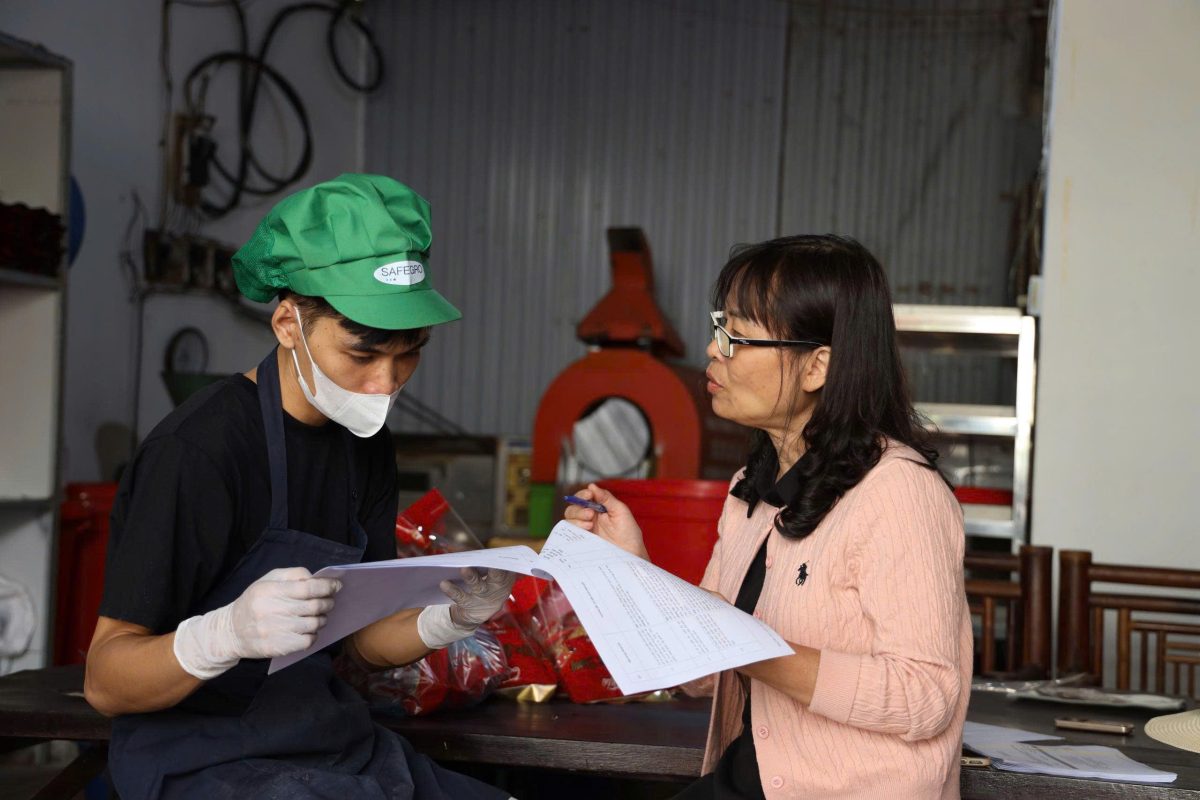
The project developed four self-assessment checklists for the most common establishment types. These were grounded in national regulations but rewritten in plain language, structured so that local officers and producers could use them independently.
Ms. To Lien Thu, a SAFEGRO technical specialist, put it plainly: “The project develops tools that local food safety officers and household producers can genuinely use. If they are not put to use, it is a waste and it means legal food safety requirements still are not being met.”
This captures the essence of SAFEGRO. It is not an effort limited to training sessions or the provision of equipment. It seeks to build a lasting management foundation, one in which both tools and capacity remain with the community long after the project has moved on.
From training to practice: change emerging from within the community
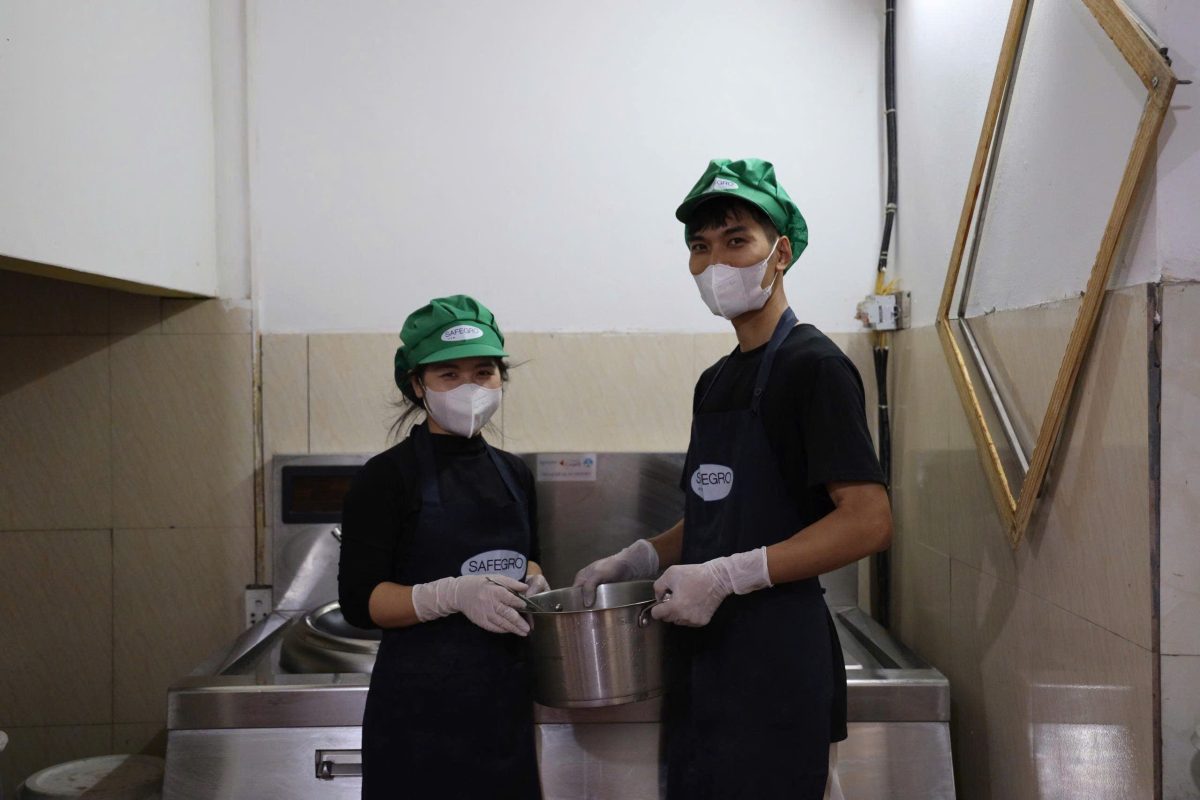
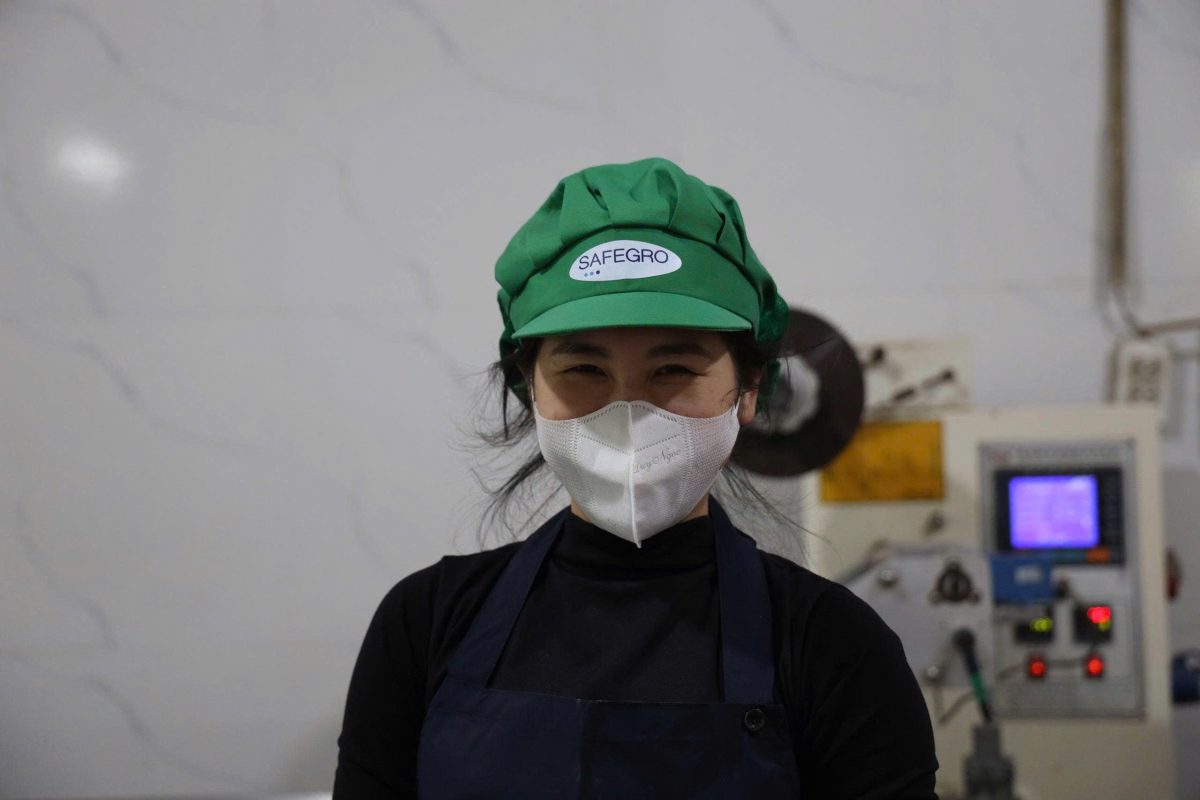
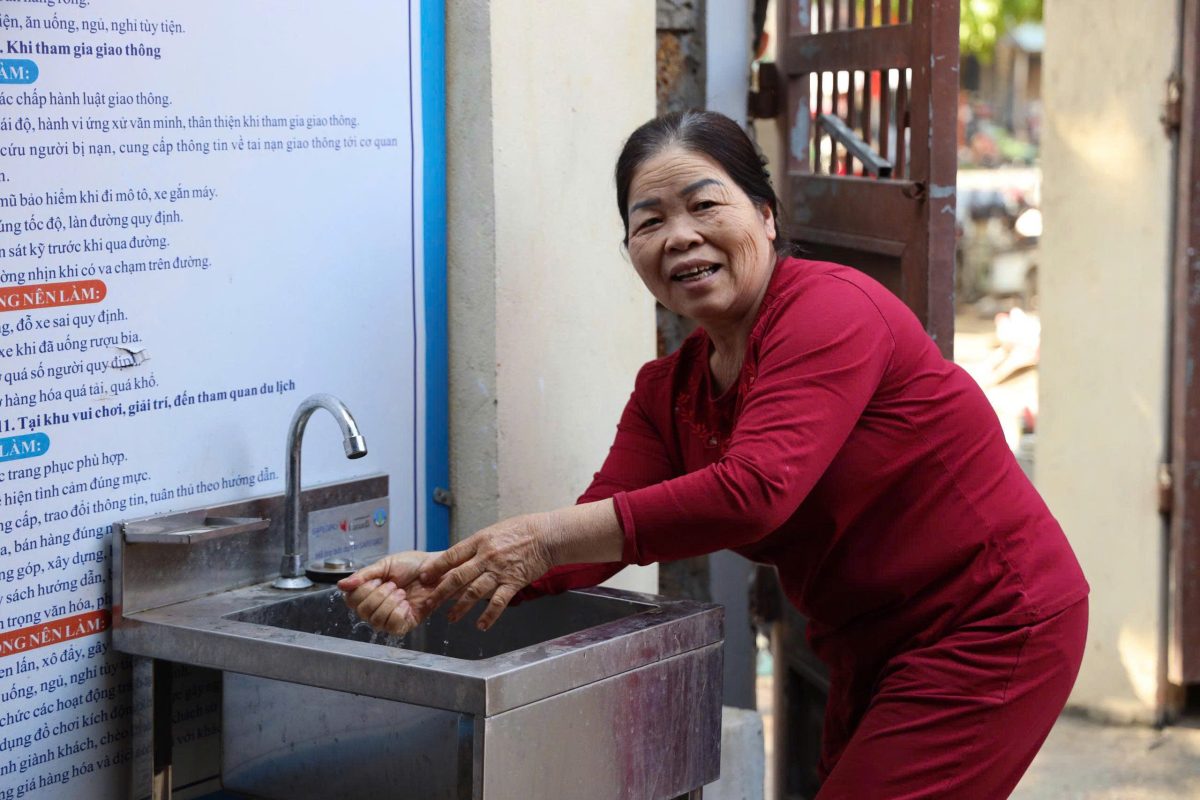
Over a year into the community-based food safety model, SAFEGRO trained 388 people, three-quarters of them women. More than 20 hands-on coaching sessions helped home-based producers organise documentation, standardise labels, trace ingredients and, most importantly, build hygiene procedures suited to their scale.
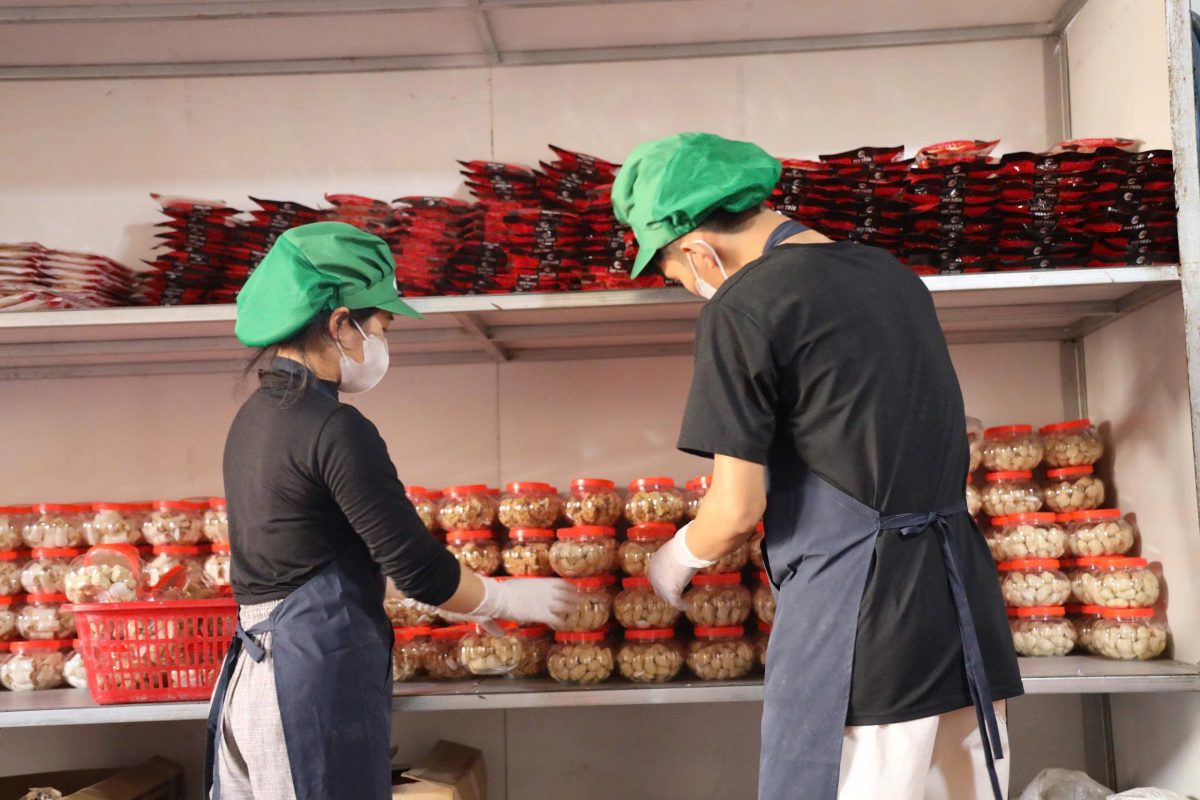
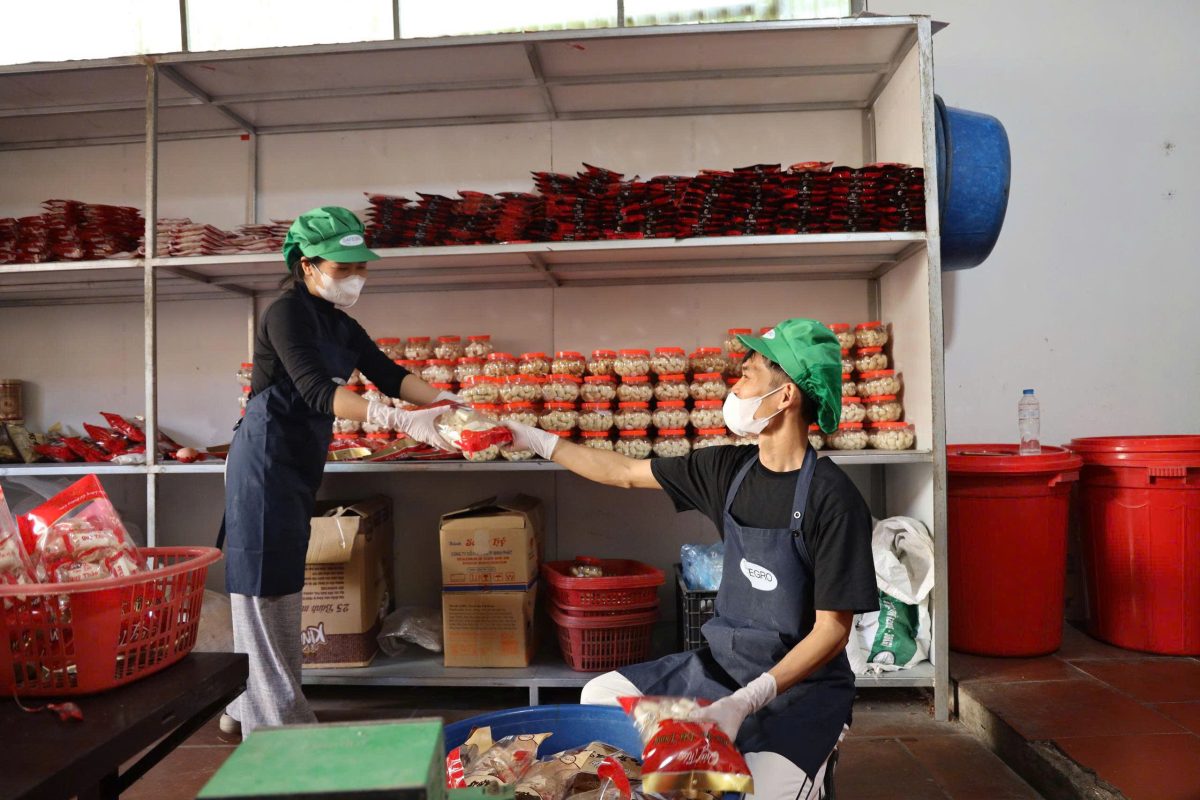
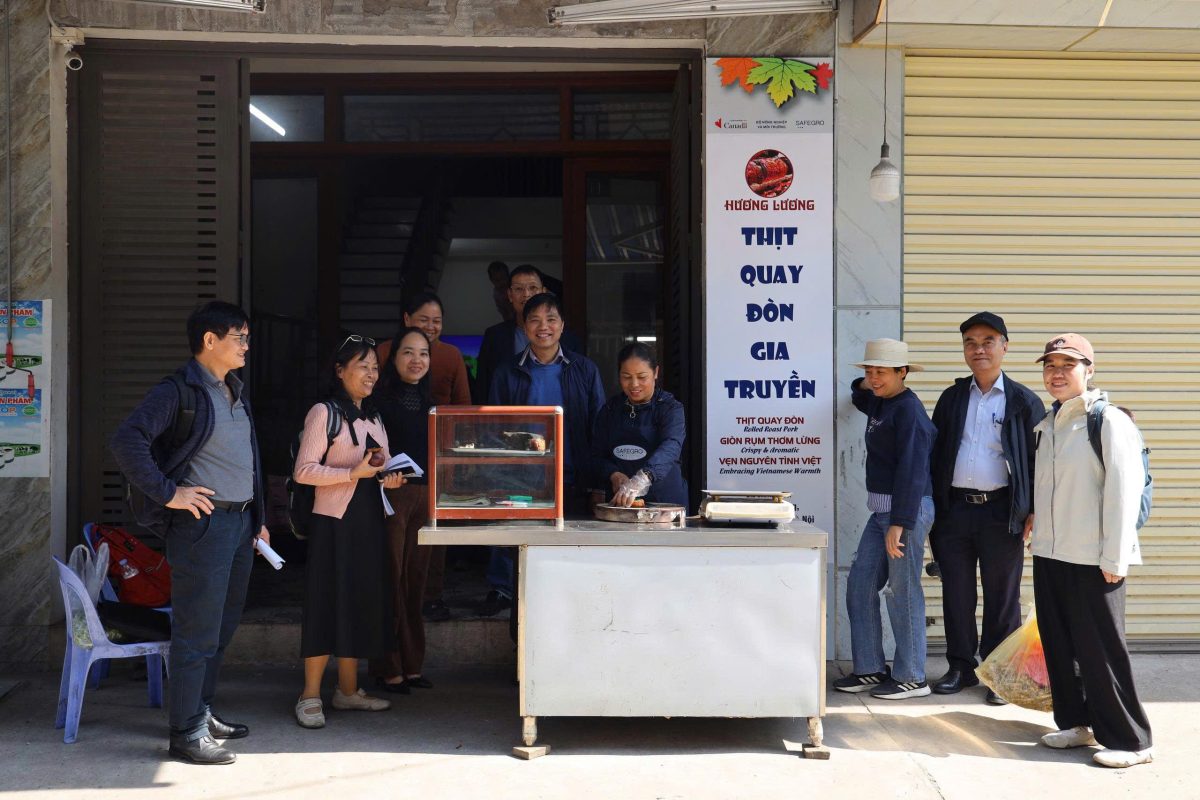
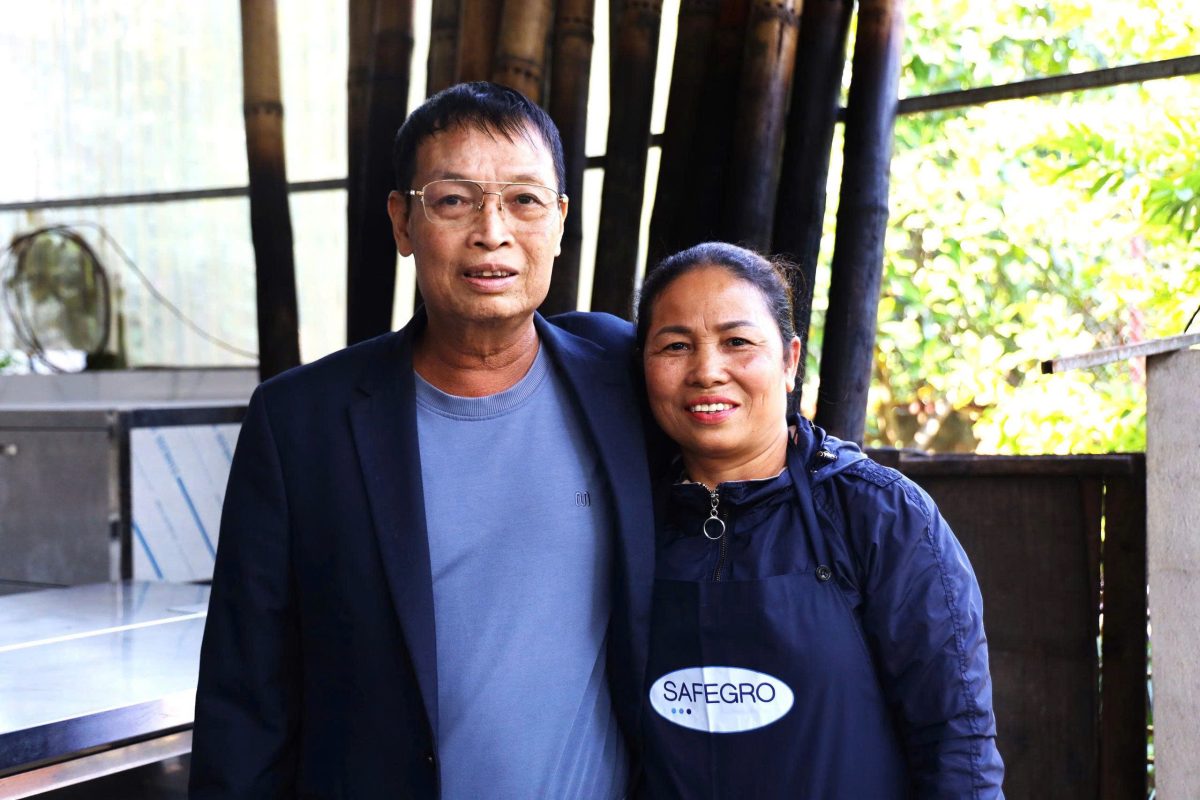
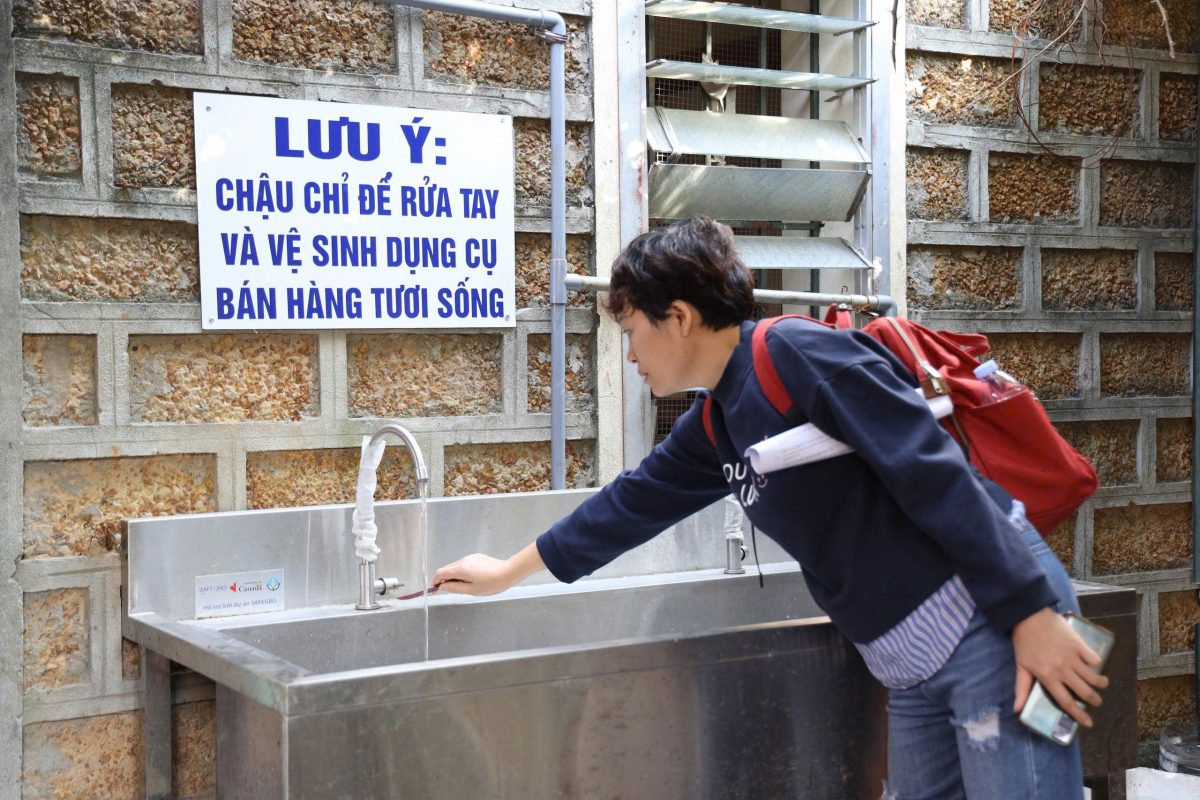
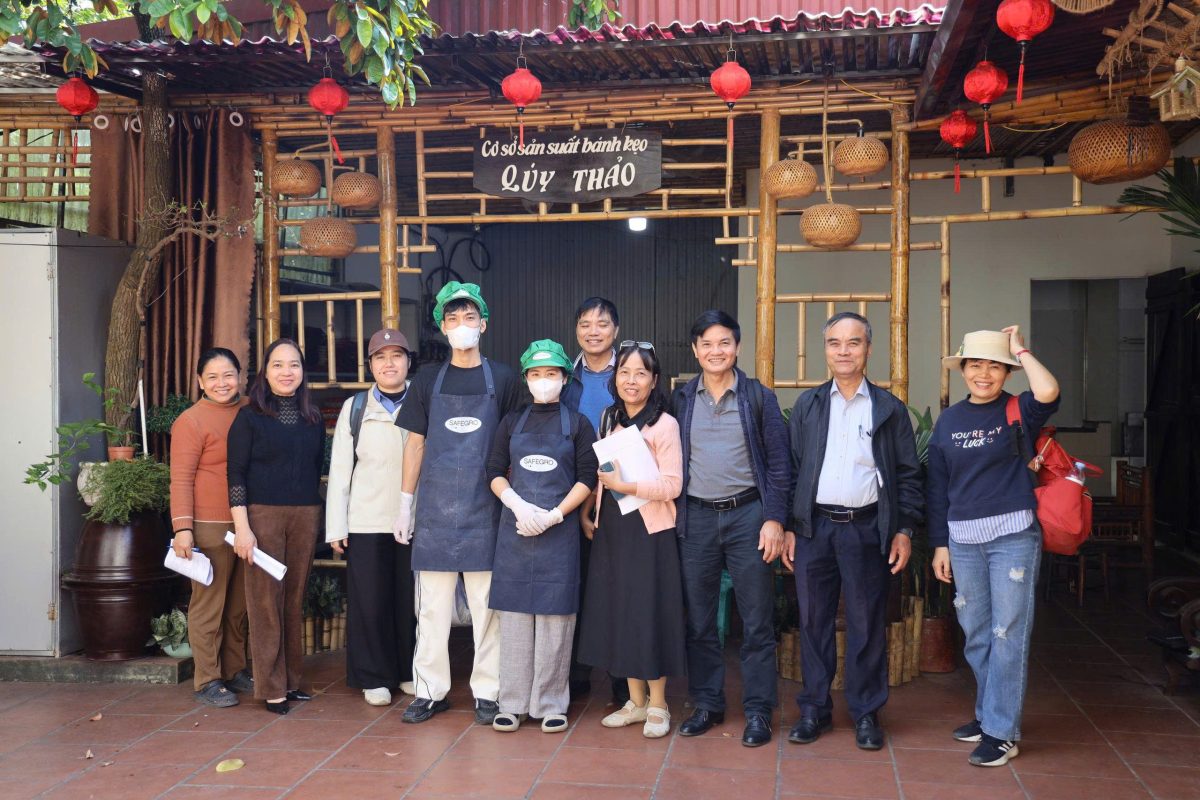
The changes became tangible. A local restaurant, Bep Lang, created and applied its own Standard Operating Procedure and invested over VND 70 million to redesign its kitchen for one-way flow. Staff were trained and tested in food safety. A roasted pork producer upgraded its processing area with its own funds. A household confectionery business renovated its workspace, improved storage and updated labels in line with national rules.
These were more than improvements in infrastructure. They signaled a shift in mindset: small producers choosing to invest in meeting standards rather than relying solely on tradition.
Obstacles that do not move easily
Change in a traditional village is slow.
Mia Market, built to honour local heritage, is not designed for the realities of a modern wet market. Stalls spill into walkways; wastewater systems lag behind demand; old habits persist, like setting vegetables on the ground to keep them fresh at the expense of hygiene. These frictions reveal that food safety is not only a technical matter, but one intertwined with behaviour, culture, infrastructure and governance.
A small model for a big challenge
As the model concludes, the project will hand over all technical materials, tools and lessons learned to the Son Tay Ward People’s Committee, along with a Food Safety Toolkit for all 193 establishments.
Procedures, guidance and traceability templates will help households maintain safe practices and allow local authorities to supervise with consistency and evidence.
This is the project’s technical legacy, modest in appearance yet lasting in impact.
A Small Model for a Big Challenge
Duong Lam is only a small slice of Viet Nam’s vast food safety landscape. But its experience shows that sustainable change requires more than inspections or short campaigns. It requires tools, capacity and clear procedures so communities can manage themselves.