Source: Báo nongnghiepmoitruong.vn
With support from SAFEGRO, the Safe Food for Growth project, business households in Đường Lâm have not only strengthened their production capacity but are also moving toward building Vietnamese brands for the international market.
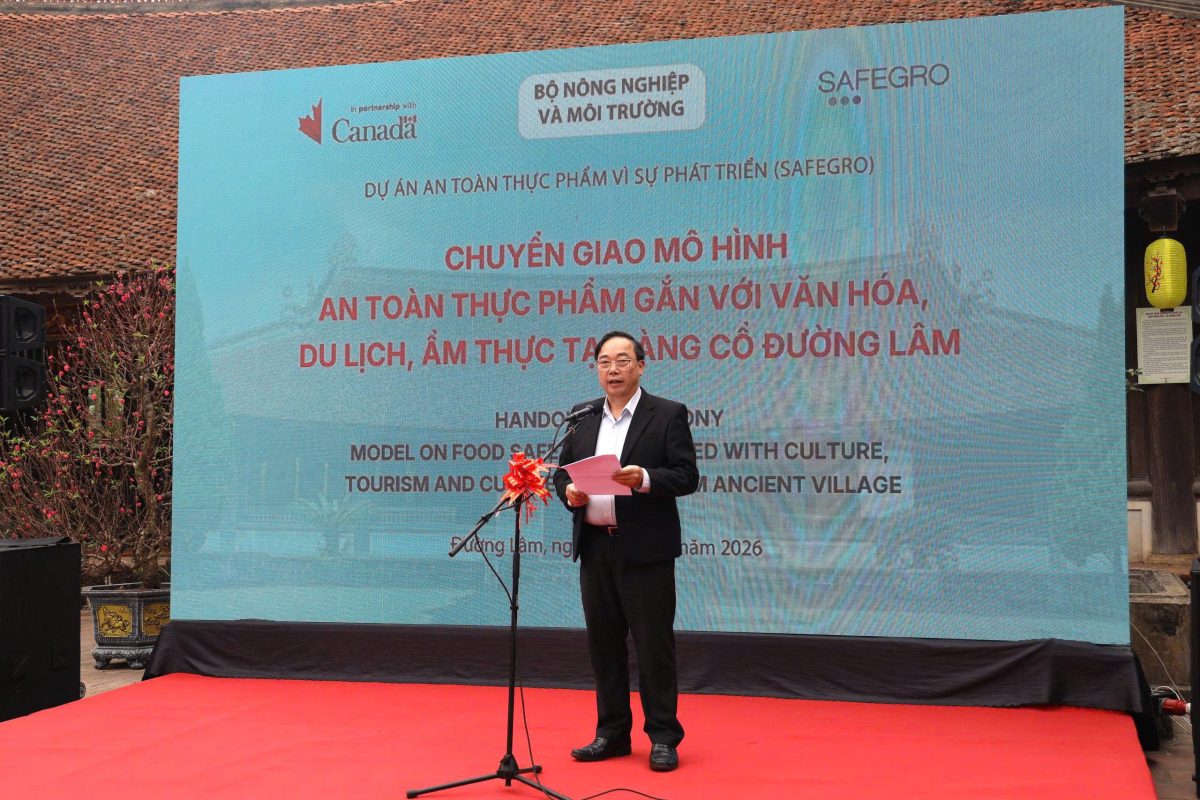
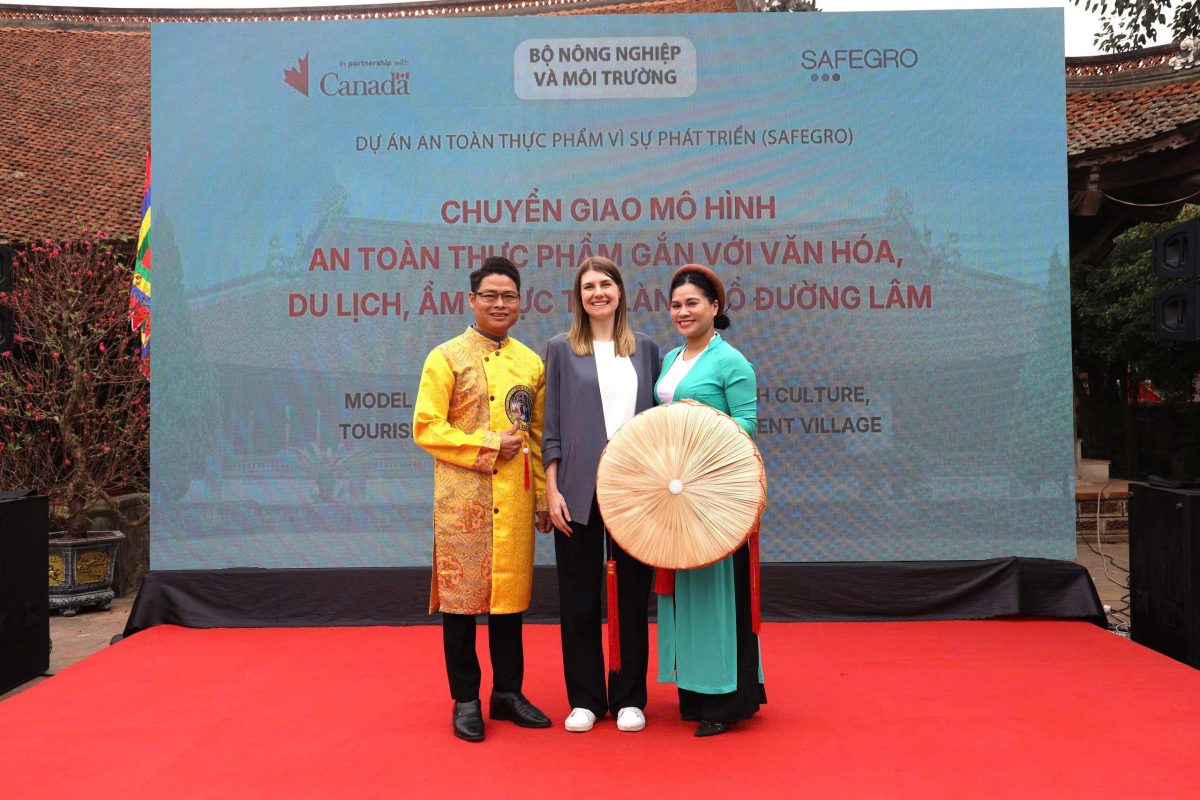
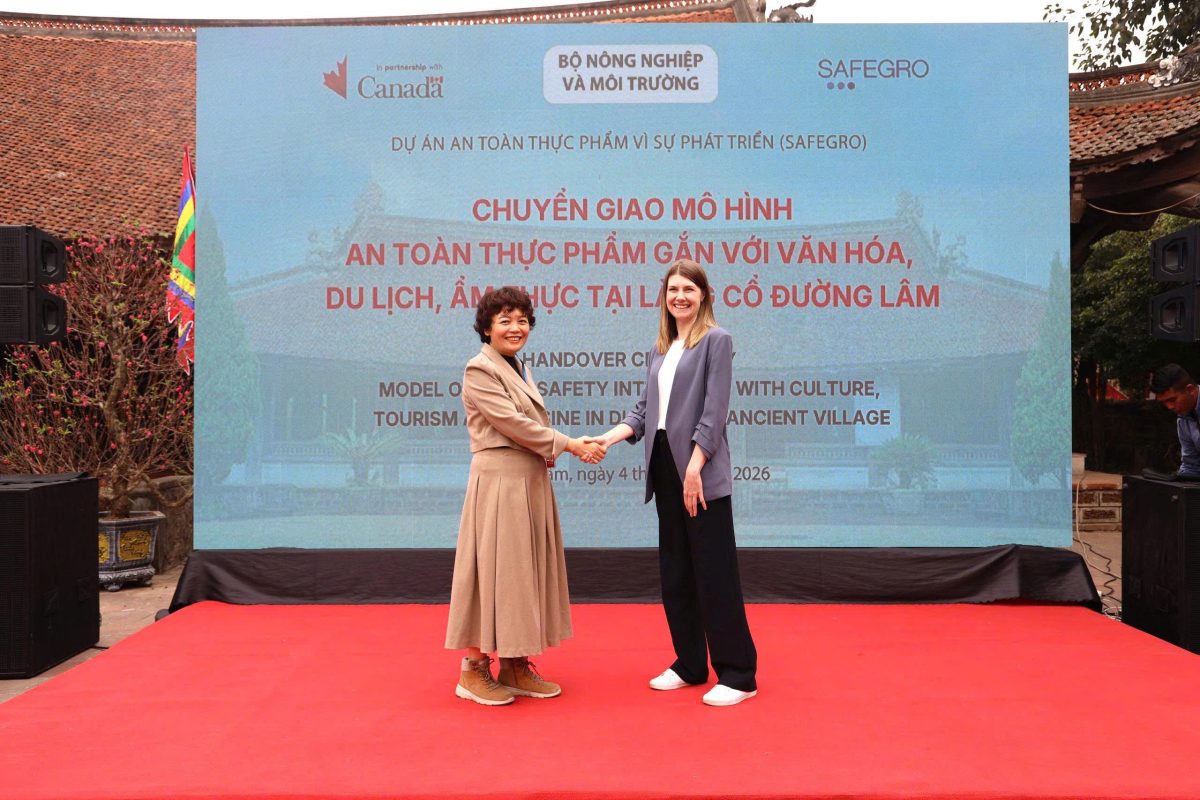
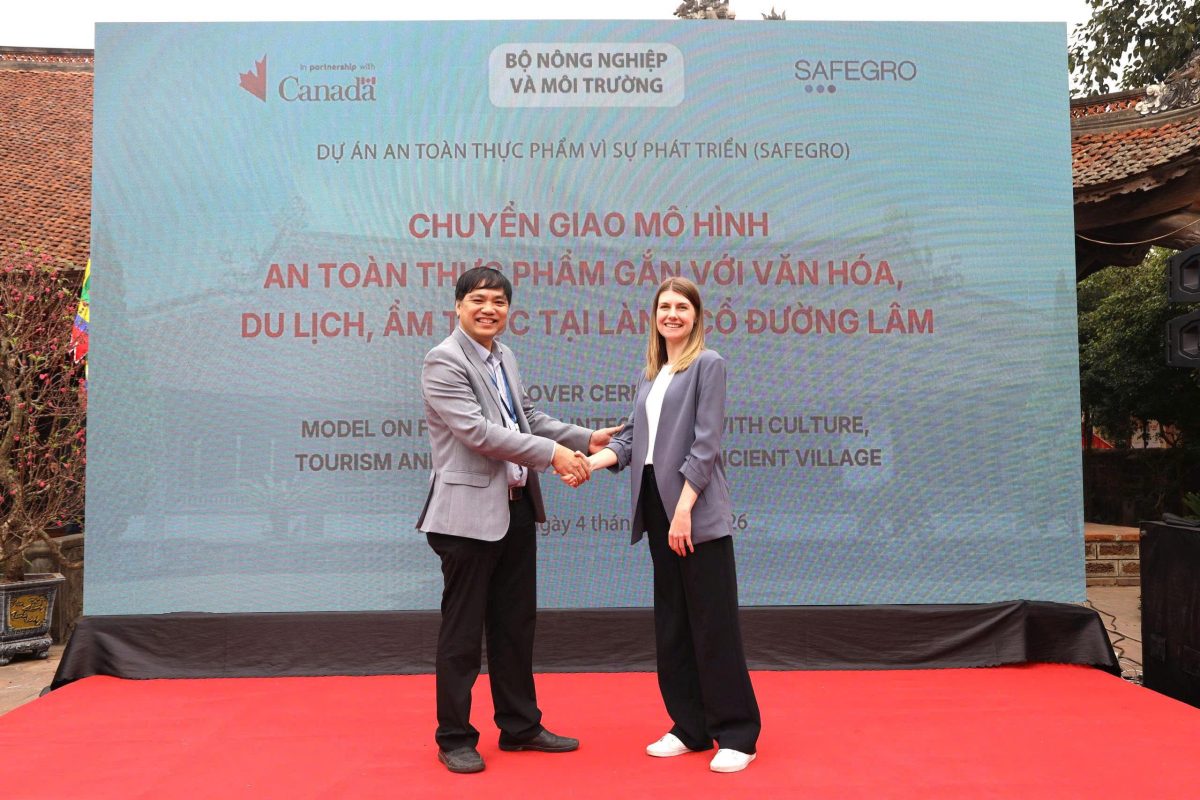
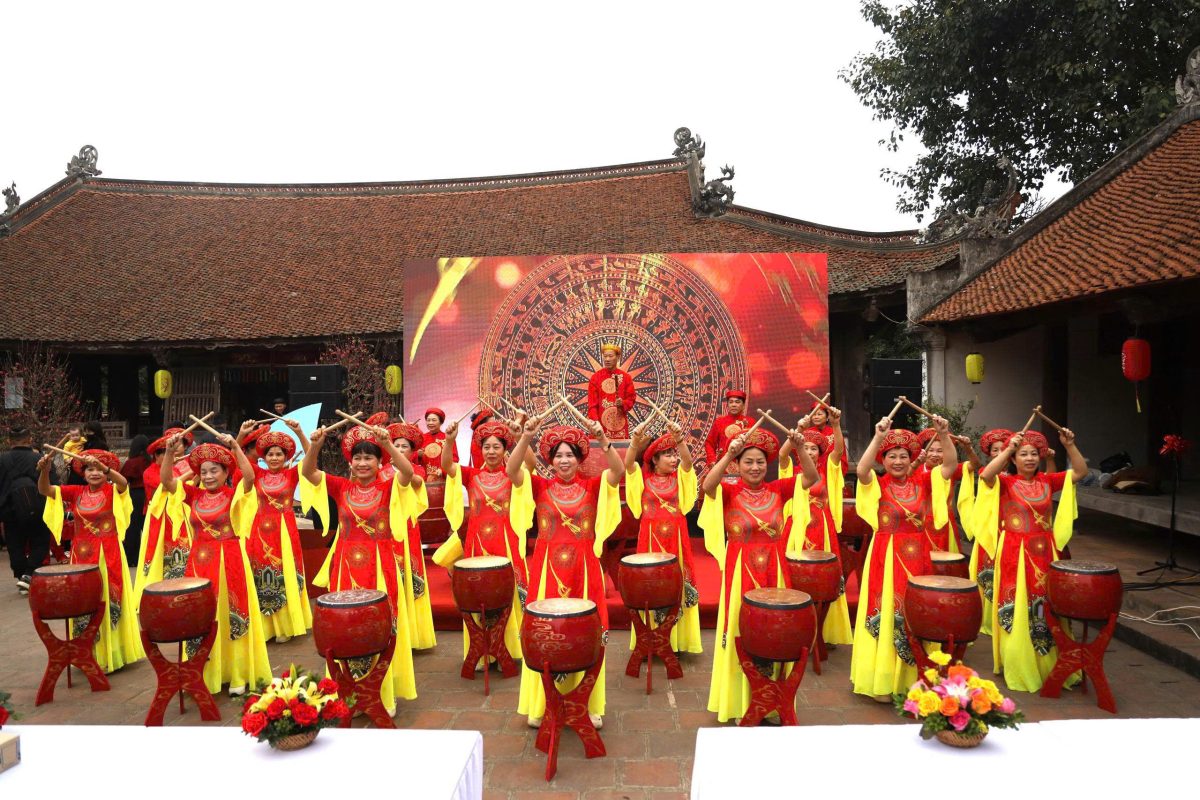
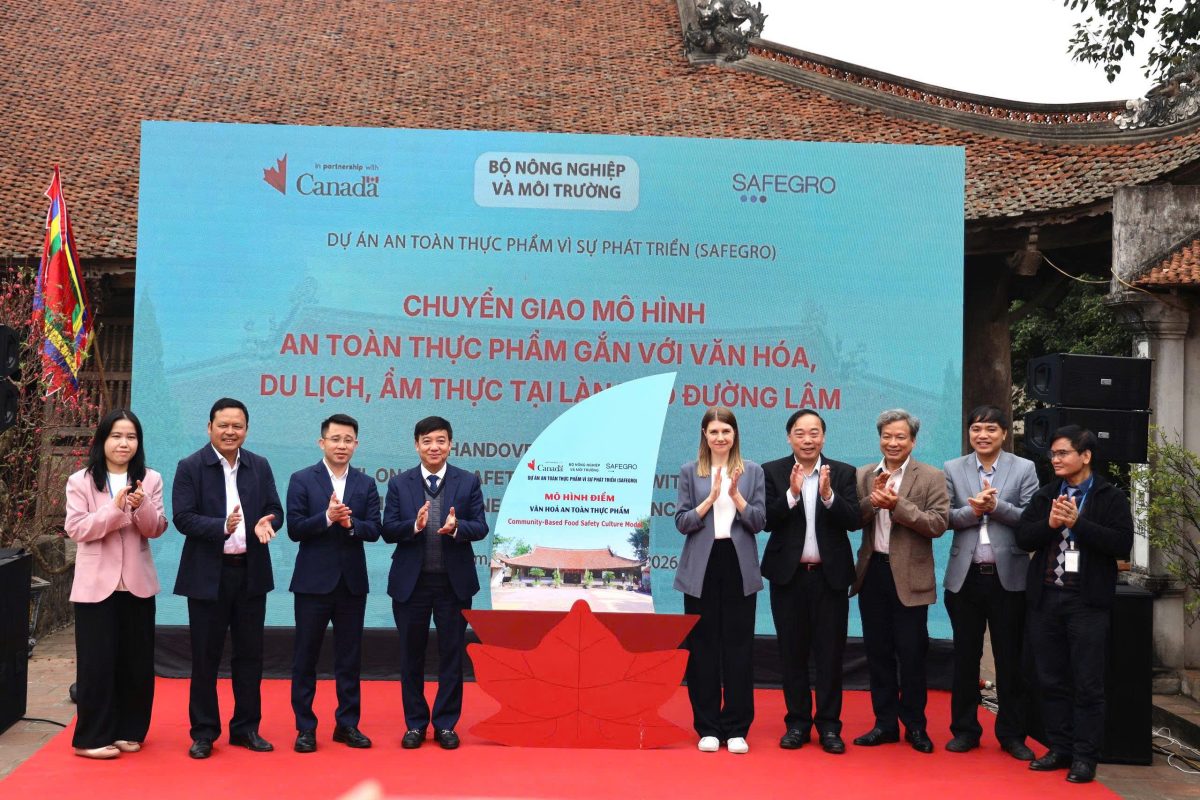
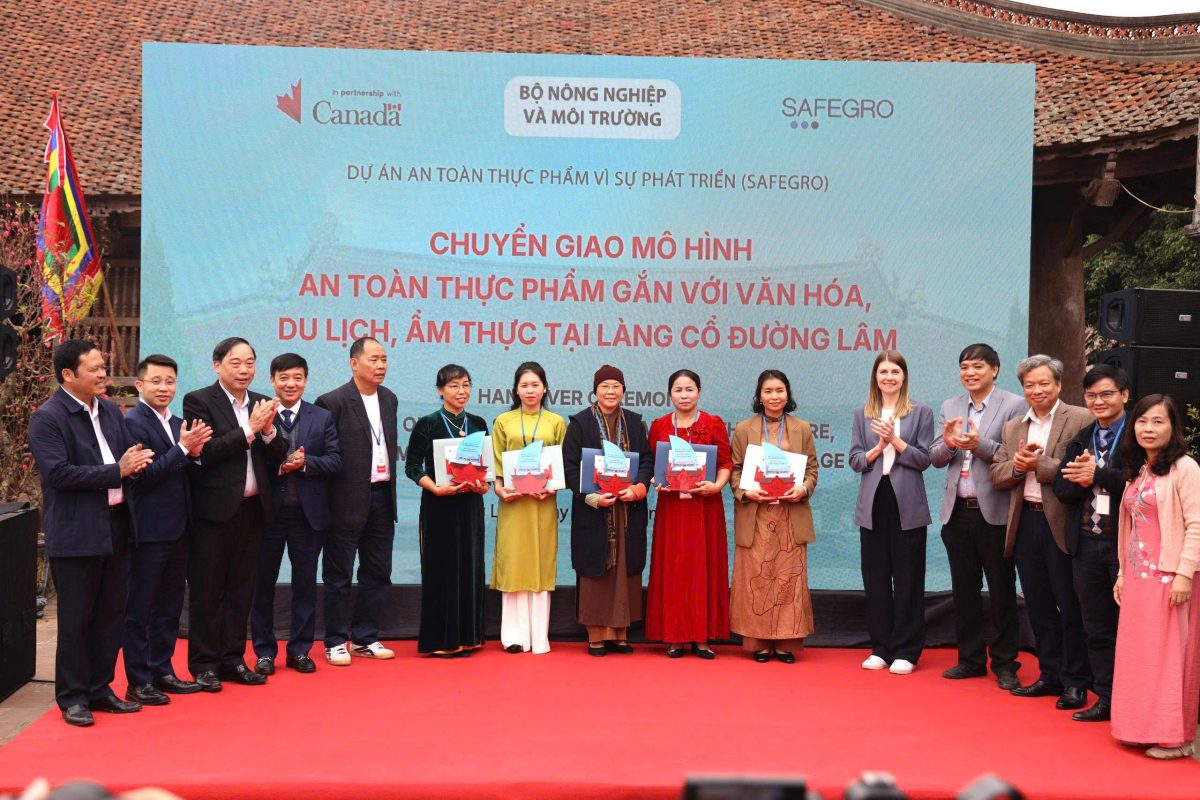
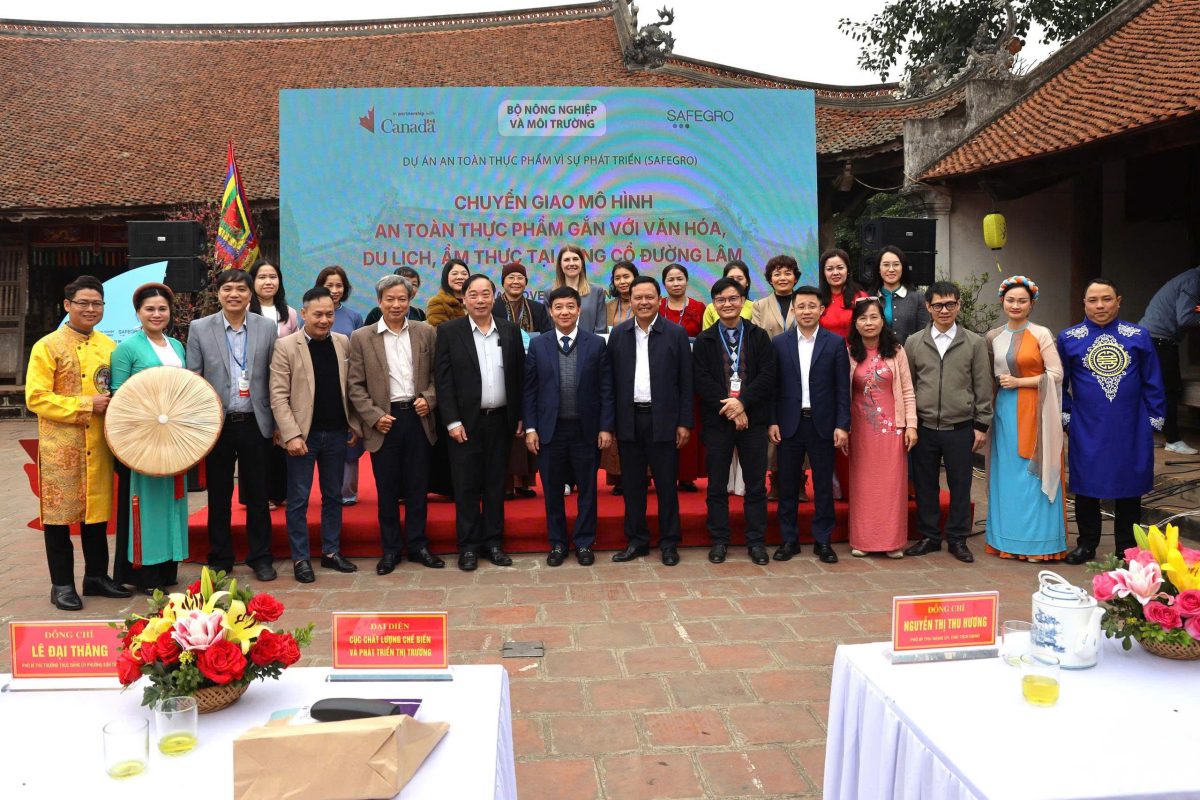
On February 4, the Department of Quality, Processing and Market Development, in coordination with the SAFEGRO Project and the Son Tay Ward People’s Committee, organized the handover ceremony for the results of the model “Food Safety Linked with Tourism, Culture, and Cuisine in Đường Lâm Ancient Village”.

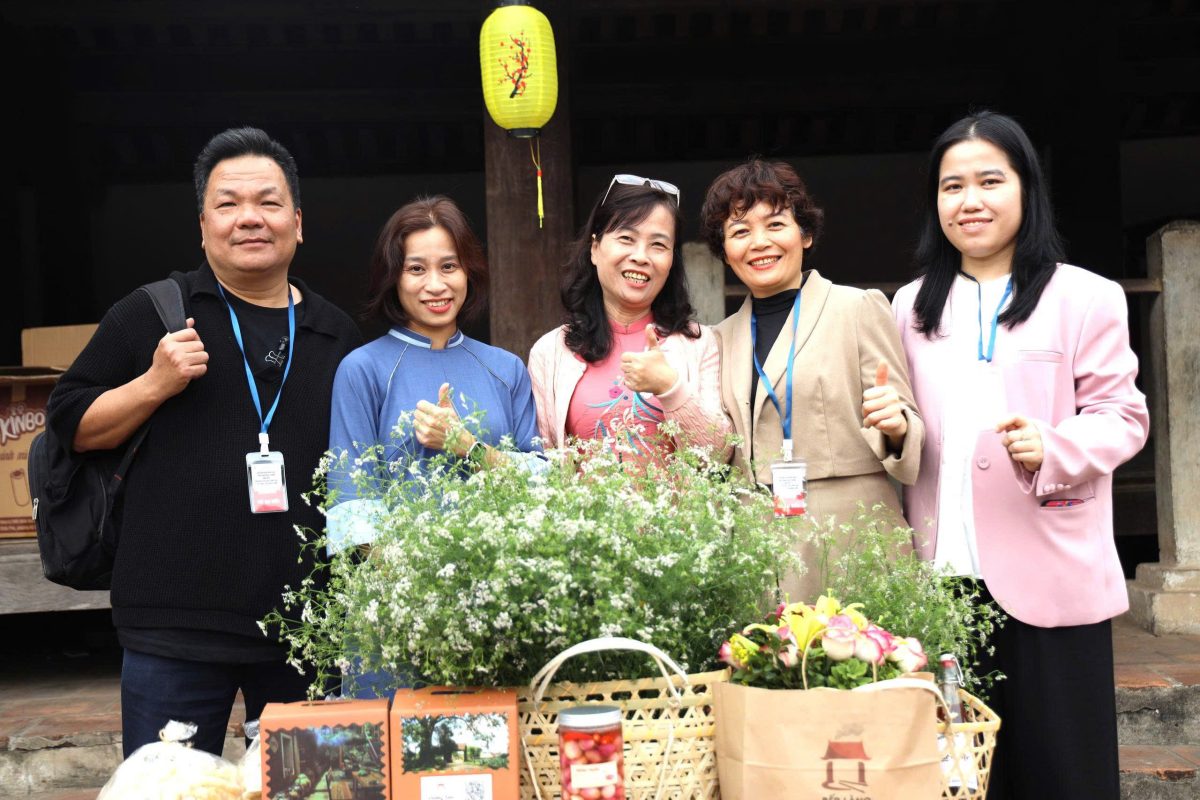
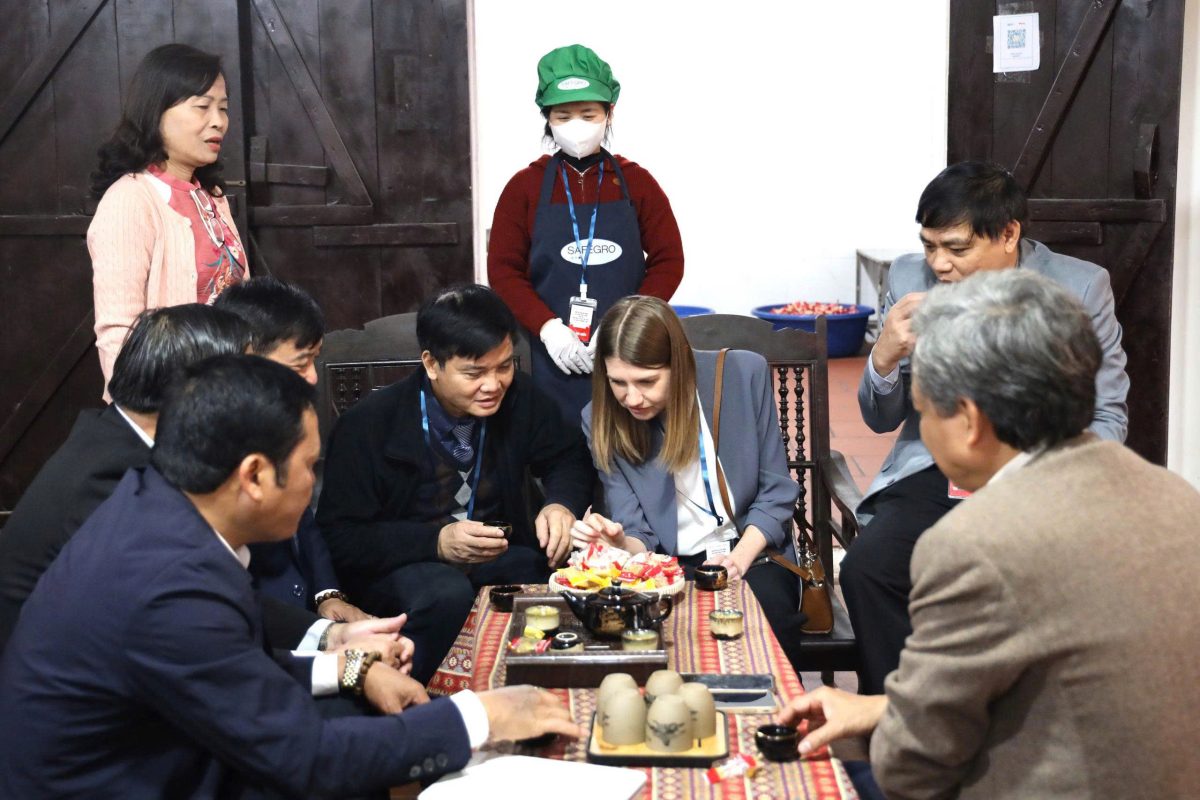
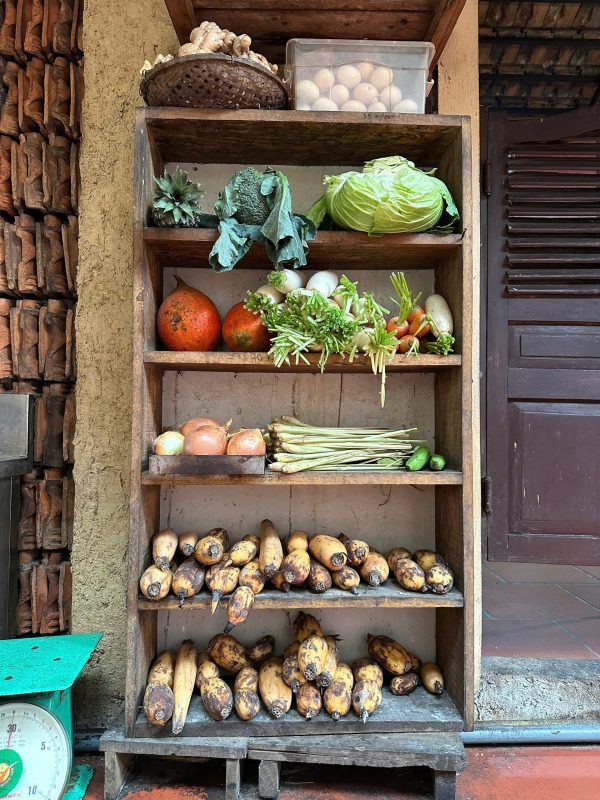
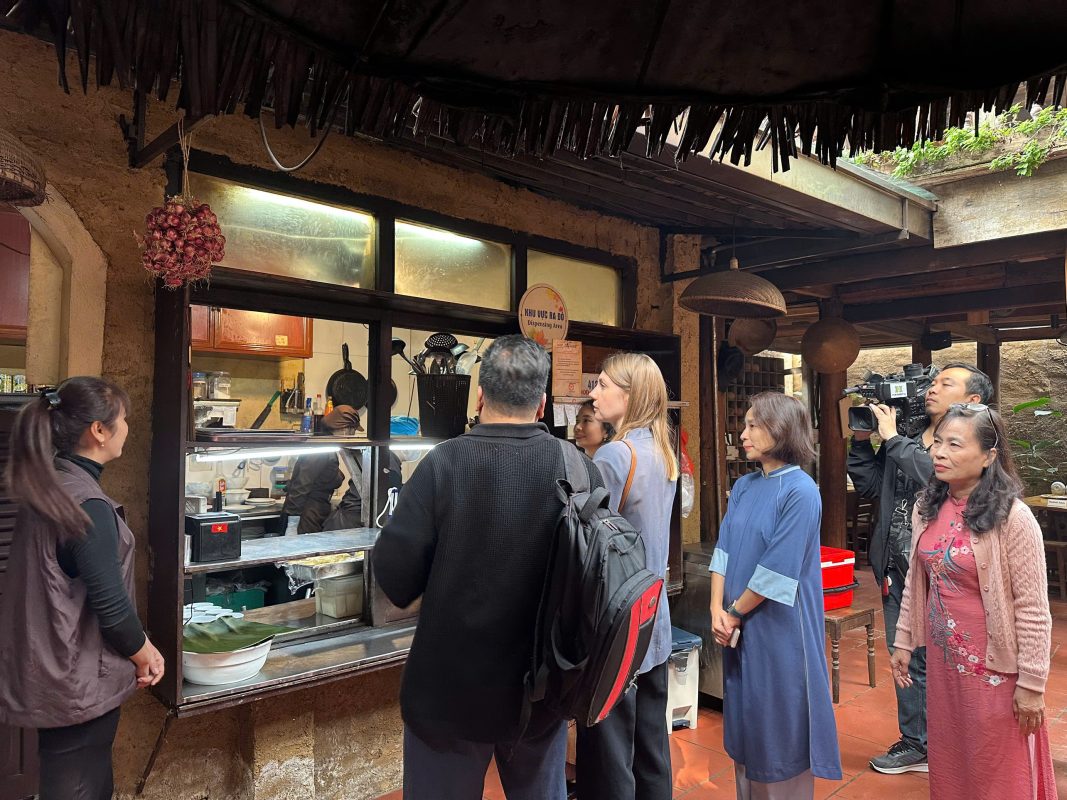
Mr. Đỗ Thành Lâm, Director of SAFEGRO, stated that after more than 20 months of implementation, the project has directly supported a number of exemplary establishments in Đường Lâm Ancient Village, including Mía Market, Bếp Làng Restaurant, traditional confectionery producers, roasted pork producers, and 15 traditional soy sauce producers across five hamlets. Through in depth training activities, the project has not only delivered tangible benefits to participating entities but has also generated positive spillover effects for many other production and business establishments in the Sơn Tây area.
In addition, the project has invested in equipment for the Đường Lâm model. As of November 2025, the total value of support reached approximately VND 712.7 million, accounting for nearly 85 percent of the model’s total budget. This investment focused on key items aimed at improving production and business conditions and minimizing food safety risks.

According to Mr. Phạm Văn Duy, Deputy Director General of the Department of Quality, Processing and Market Development, the model has brought about not only material improvements but also a shift in awareness, mindset, and approaches to ensuring food safety. Step by step, it has helped establish a close linkage between food safety, traditional products, tourism development, and the preservation of local cultural values.
Drawing from practical implementation, Mr. Duy called on food production and business establishments to continue strictly maintaining food safety practices, while improving product quality and building credibility and brands aligned with the tourism market. At the same time, the Son Tay Ward People’s Committee should develop annual plans to sustain and expand the model, integrate it with OCOP programs, tourism initiatives, and ancient village conservation efforts, and strengthen supervision and support for producers.
“I propose that the Hanoi Department of Agriculture and Environment conduct a review and evaluation of the Đường Lâm model to explore the possibility of scaling it up. Communication, promotion, and market development will be the pillars in the post project phase to ensure sustainability,” emphasized a leader of the Department of Quality, Processing and Market Development. “As the standing agency of SAFEGRO, the Department will continue to closely coordinate with relevant units to advise the Ministry on improving mechanisms, policies, technical guidelines, and mobilizing resources. We will accompany localities in enhancing food safety effectiveness and developing OCOP products linked to markets.”.

Ms. Stephanie Cyr, First Secretary of the Development Cooperation Section at the Embassy of Canada in Vietnam, affirmed that food safety is always a top priority for Canada, not only domestically but also in international cooperation. To achieve the current results, Canadian specialized agencies such as the Ministry of Health and universities have made very important technical contributions.
Guided by these orientations, Canada prioritizes support for strengthening food safety systems, improving compliance with international standards, and promoting risk based management approaches. This contributes to enhancing Viet Nam’s integration into international markets while reinforcing the credibility of products through safer and more transparent practices.

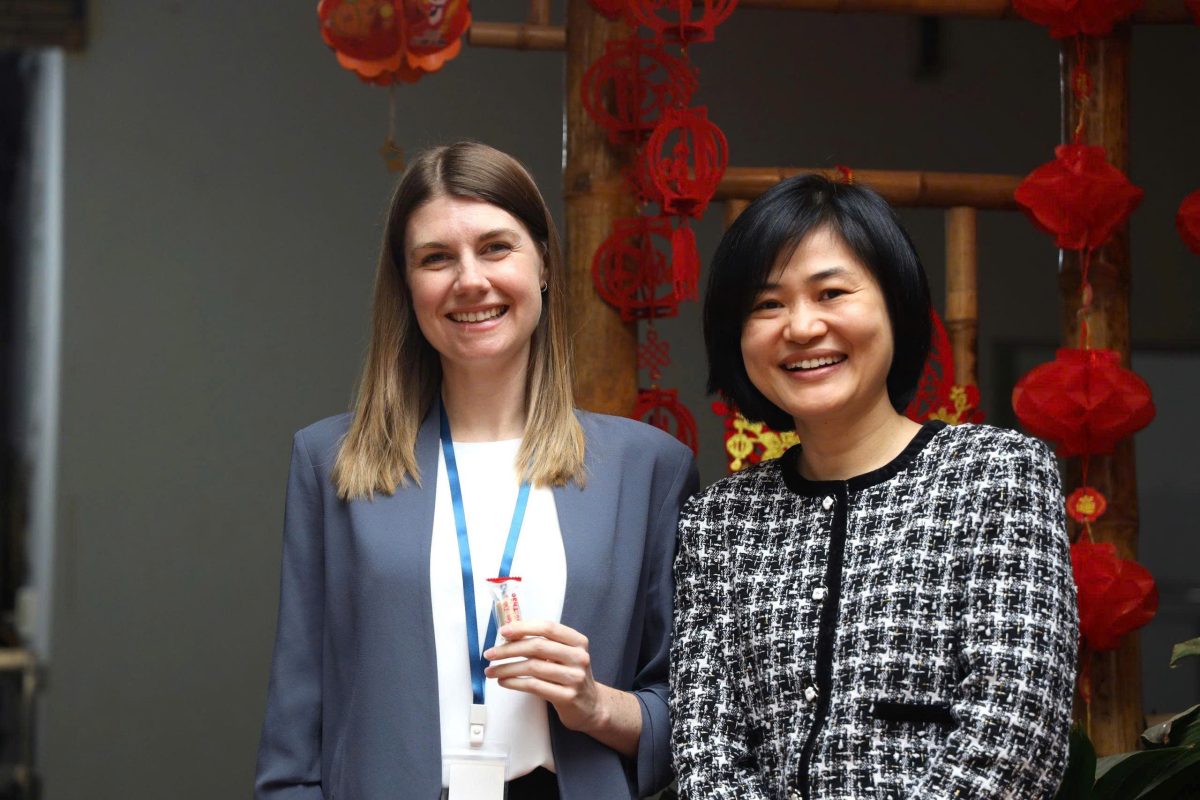
“We are very pleased that more than 70 percent of the business households participating in the project are women led. With a proactive spirit of learning, women have increasingly asserted their role in production and food safety assurance. I hope the Đường Lâm model will become a good example for replication in other production and business models,” Ms. Stephanie shared.
Mr. Tạ Văn Tường, Deputy Director of the Hanoi Department of Agriculture and Environment, assessed the Đường Lâm model as a well structured approach, well suited to local conditions and effectively linking production with ancient village culture and tourism development. “The model not only raises awareness and changes practices in food production and business among local people, but also creates an important foundation for building safe and sustainable traditional product brands,” he said.