Author: To Lien Thu, Policy and Institutional Specialist, SAFEGRO
Canada has worked closely with Viet Nam to strengthen the country’s food safety management capacity for 15 years. In particular, since 2020, the Safe Food for Growth (SAFEGRO) project has made substantial contributions through a series of in-depth analytical reports on food safety legislation, while also providing technical assistance and training to enhance food safety practices, regulatory oversight, and competency among government authorities and relevant stakeholders.
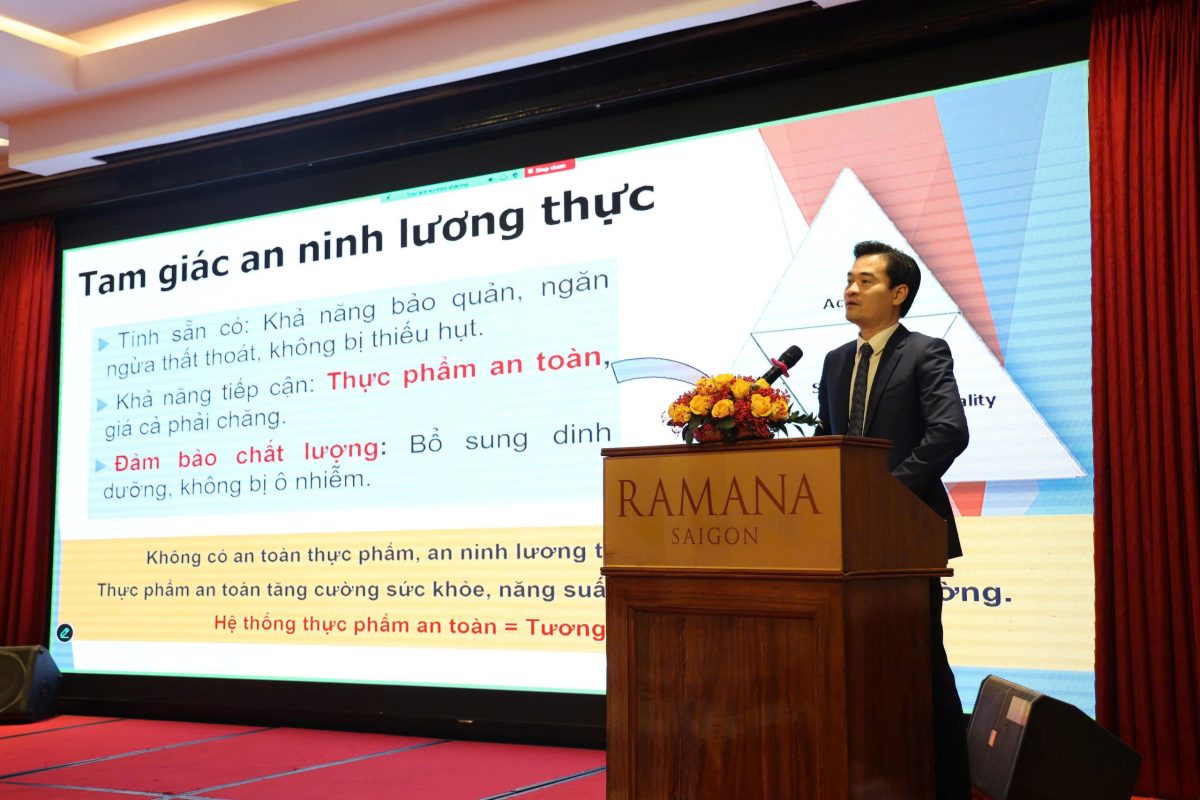
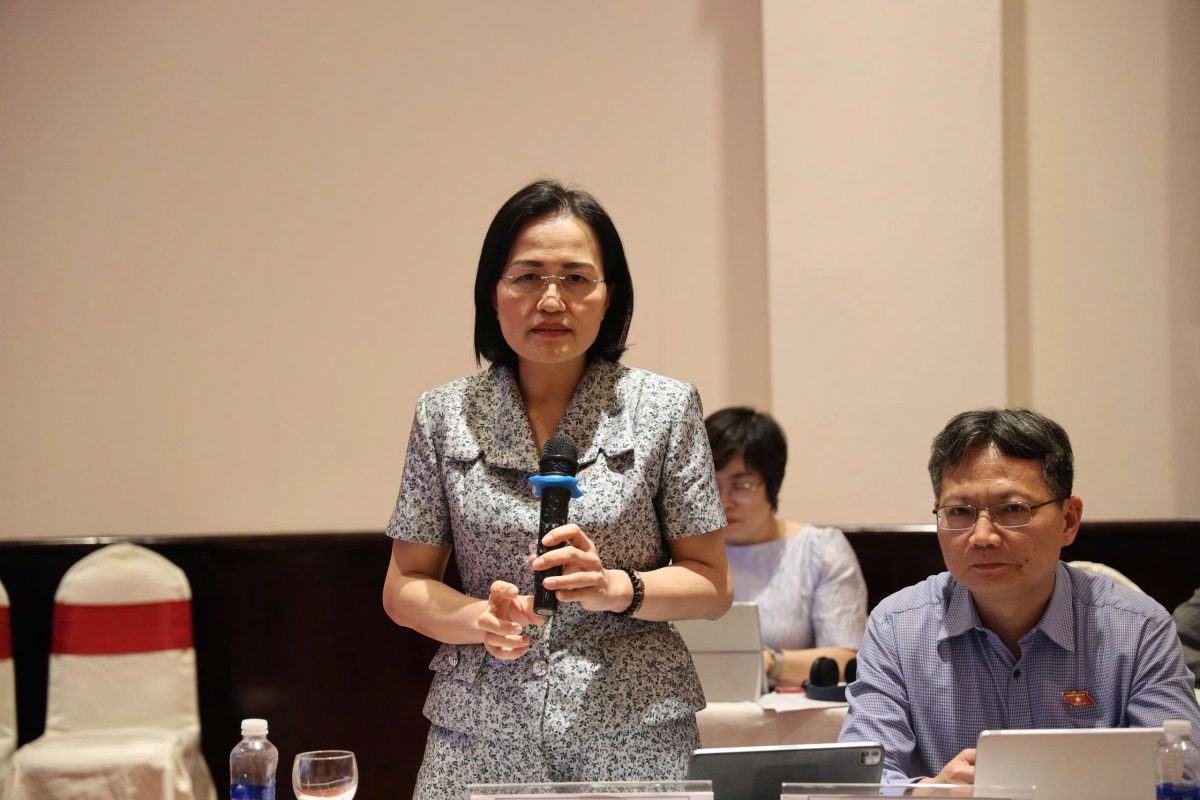
Canada’s participation, through SAFEGRO, in the two policy consultation workshops on the revision of the Food Safety Law held on January 9th and 15th, 2026 marked an important milestone in this effort. This engagement reflects the culmination of a long-standing cooperation process between Canada and its Vietnamese Government partners, including the Ministry of Health, the Ministry of Agriculture and Environment, and the Ministry of Industry and Trade.
The Ministry of Health presented five major policy pillars, which form the backbone of the revised Food Safety Law, for broad consultation with stakeholders at the workshops including participants from legislative and executive bodies, key ministries, law enforcement and crime prevention agencies, domestic and international business associations, experts, legal professionals, and civil society organizations with long-standing engagement in the food safety sector.
The five proposed policy groups include: strengthening management of high-risk food production and business establishments (Policy 1); decentralizing state management of food safety between central and local levels (Policy 2); risk-based control of processed and pre-packaged foods (Policy 3); risk- and compliance history–based control of imported foods (Policy 4); and tighter control of substances used in food production and processing that pose risks of misuse or abuse (Policy 5).
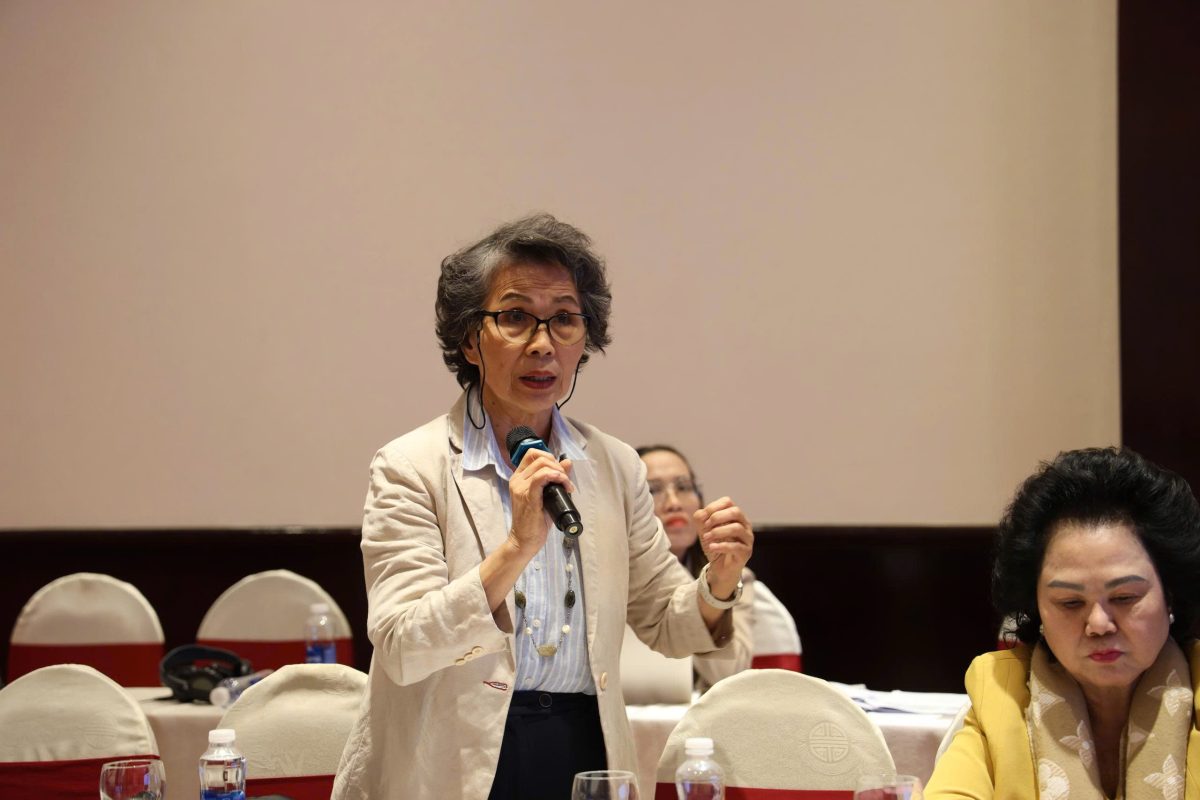
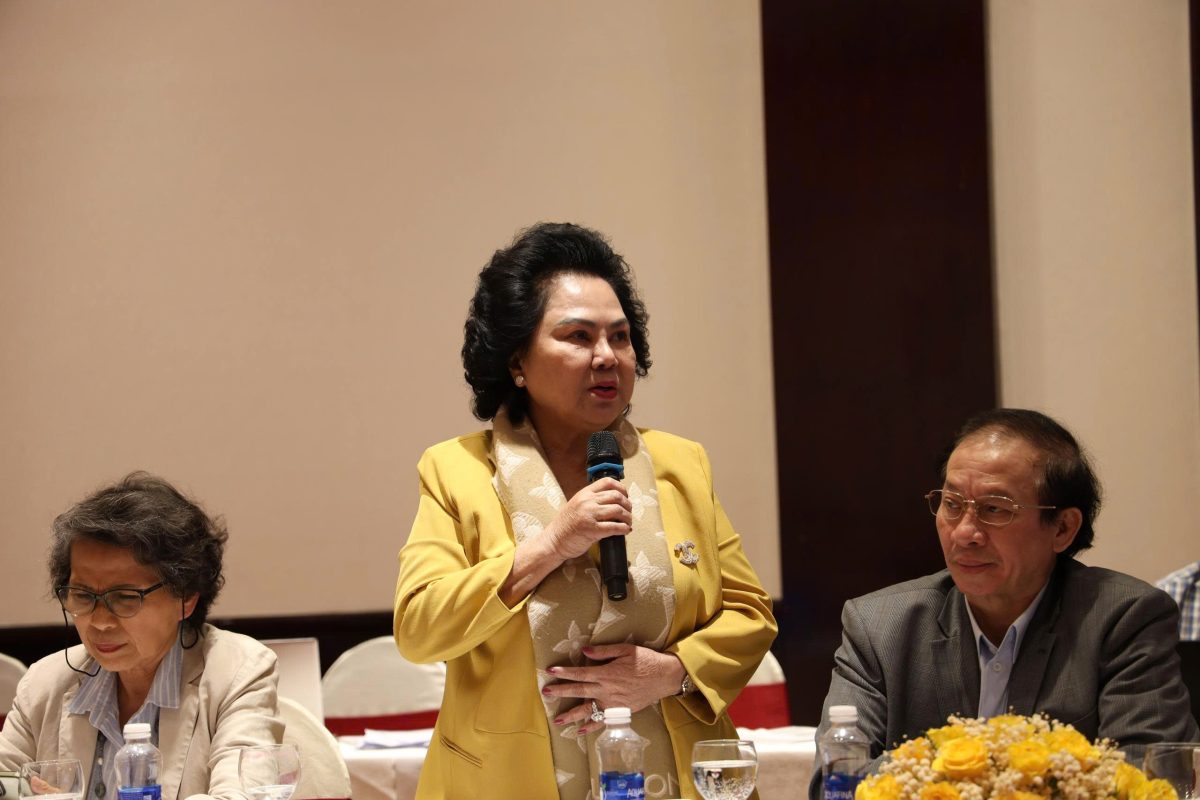
The two workshops attracted more than 200 in-person participants and 300 online connections. Many comments assessed the proposed policies as being on the right track, aligned with international practices and responsive to current food safety management reform needs. However, many participants emphasized that, if these policies remain at the level of general principles, without clear institutional assignments, enforcement tools, and coordination mechanisms, the transformation of the management model would be difficult to achieve in practice.
Prior to the meeting, SAFEGRO had undertaken a comprehensive review of the proposed new food safety law in the context of a comparative analysis with international best practice, with ten key recommendations. The SAFEGRO team then presented these ten specific solutions to operationalize the five policy groups, which received strong endorsement through the discussion for relevance and coherence. To realize Policy 2, for example, SAFEGRO proposed that the first priority should be the establishment of a unified, autonomous, independent food safety authority from central to local levels. This authority would be responsible for food safety, animal health, and plant health, and would operate a risk-based inspection and surveillance system for both domestically produced and imported foods.
Risk-based food safety management was the solution that received the highest level of consensus at the workshops. Its specific components would support Policies 1, 3, 4, and 5. Dr. Brian Bedard introduced the FIRE system, a new platform developed in Canada enabling data-driven risk analysis and management for imported foods. Representatives from the Transparent Food Association, Ho Chi Minh City Food and Beverage Association, and EuroCham all agreed that a risk-based approach is essential to address the current situation of widespread, costly, yet inefficient inspections. The discussions demonstrated that the concept of “risk-based management” is no longer merely theoretical. Practical examples from export activities, international experience, and Viet Nam’s response to the COVID-19 pandemic were cited as evidence of the model’s feasibility. The key challenge now lies in fully institutionalizing risk-based thinking in the revised Food Safety Law and then implementing it.
Another important issue that attracted significant attention was the requirement for food production and business establishments to develop and submit Preventive Control Plans as a pre-requisite for licensing and registration, a common international practice. This is a mandatory requirement under the U.S. Food Safety Modernization Act (FSMA) and Canada’s Safe Food for Canadians Act. Under this approach, businesses are permitted to operate only after their preventive control plans have been approved by the competent authority, rather than relying solely on self-declaration as is currently the case in Viet Nam. This proposal also received strong support from representatives of crime prevention agencies.
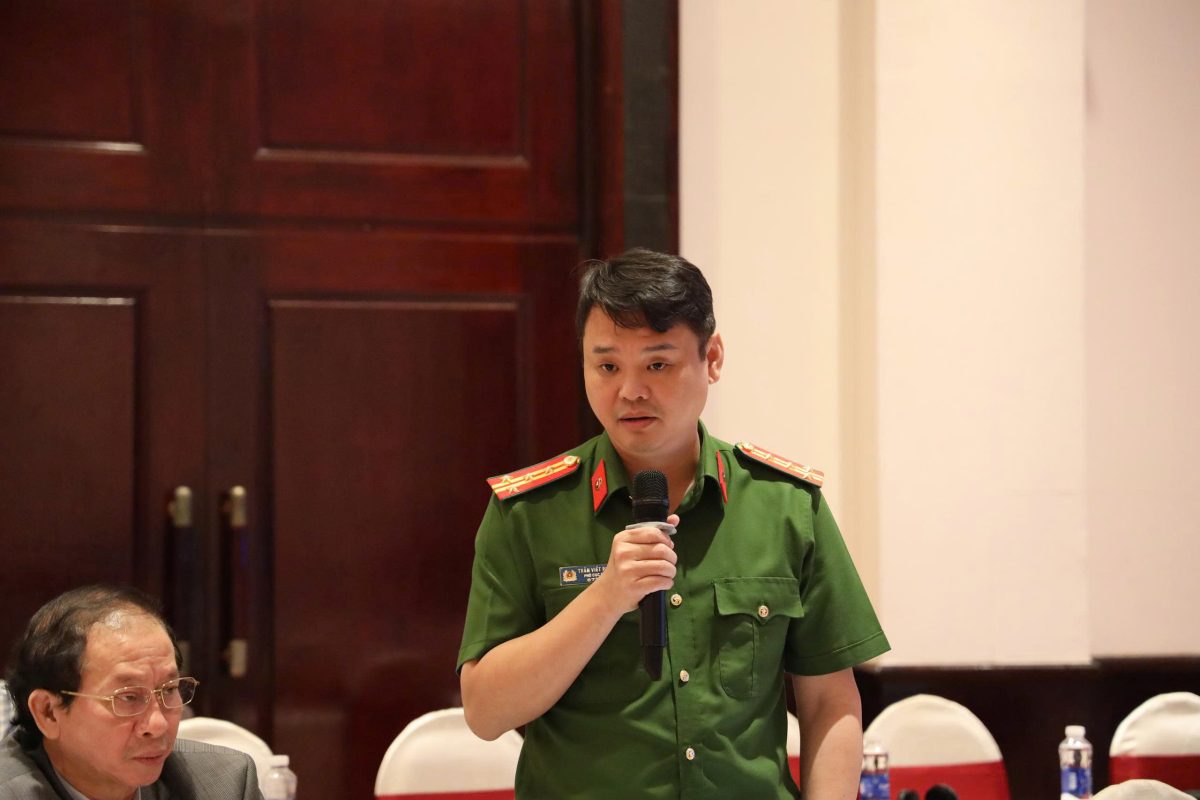
Another proposal to restructure the food safety laboratory system was seen as a critical solution to address fragmentation, lack of coherence, and risks of fraud. These concerns were underscored when representatives of crime prevention authorities reported the detection of more than 10,000 falsified test certificates. Standardization, strengthening oversight, and reorganizing the laboratory system were therefore considered essential conditions to ensure the objectivity and reliability of test results.
At the same time, many participants supported the SAFEGRO proposal that inspection and enforcement activities should be based on risk analysis, with a focus on standard enterprise risk profiles in order to avoid overlapping inspections of compliant businesses while overlooking genuine high-risk hotspots.
Proposals to establish a National Food Safety Information System, were endorsed by the representatives of crime prevention agencies, while emphasizing the urgent need for digitalization and data system interoperability. Accordingly, the current voluntary and fragmented traceability systems should be replaced by mandatory legal requirements, under which all actors in the food supply chain are required to store digital data and connect to a national data center, with this data system being regarded as a national asset.
Beyond these core recommendations, SAFEGRO also proposed several additional measures, including aligning the Food Safety Law more closely with international treaties and practices; designing appropriate support policies for small and medium-sized enterprises and small-scale producers and traders; integrating social equity and gender considerations into food safety policies; and a set of subsidies, grants, credits and support programs to facilitate adoption of food safety certification, preventive control plans and traceability among producers and food business operators.
Discussions at the two workshops demonstrated that policy awareness and consensus on food safety management reform solutions have reached a high level. The greatest challenge today is no longer whether reform is necessary, but rather how to transform the current organizational structure, system and drivers to achieve tangible and sustainable results.
In this context, the revised Food Safety Law is expected to serve as a catalyst for a comprehensive modernization of Viet Nam’s food safety management system, meeting the imperative of protecting public health, promoting economic development, and supporting the country’s international trade integration.