In the food industry, certificates displayed prominently on factory walls often create a sense of reassurance. HACCP, ISO 22000, or FSSC 22000 represent robust Food Safety Management Systems (FSMS), built on science, procedures, and risk control. Yet even organizations with well established FSMS continue to face product recalls and foodborne illness incidents.
So what is missing?
The answer lies in a factor that is invisible to the naked eye but decisive in impact. Food Safety Culture (FSC).
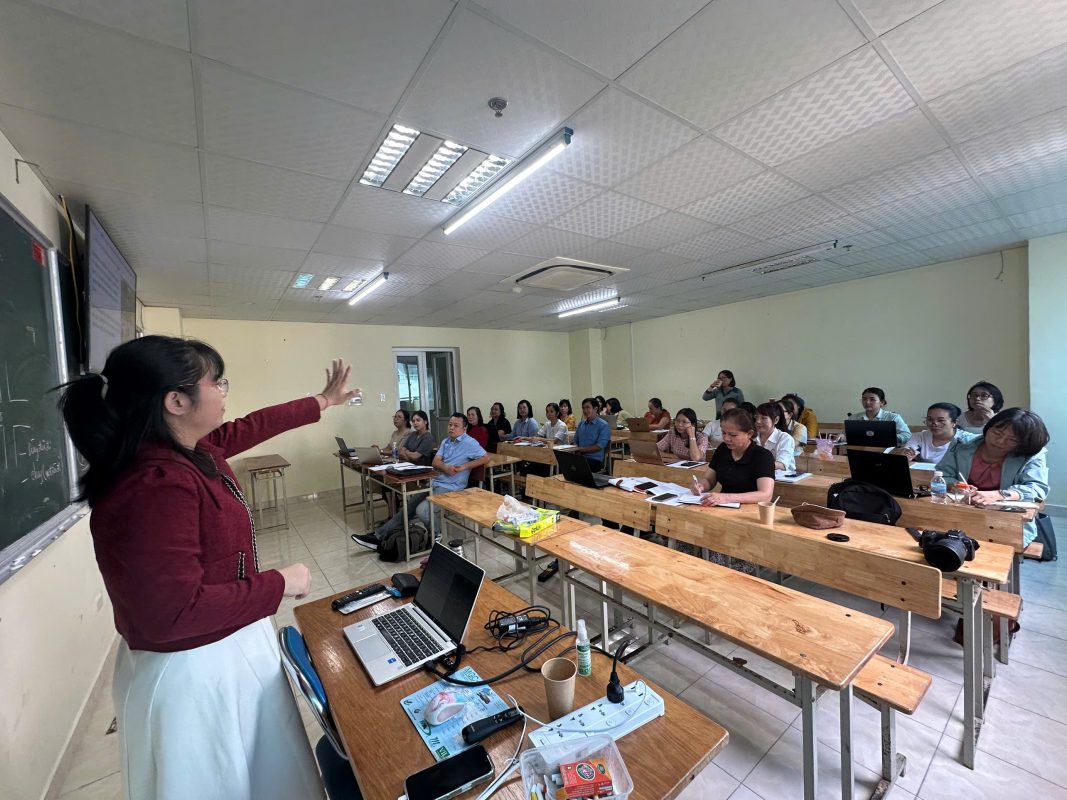
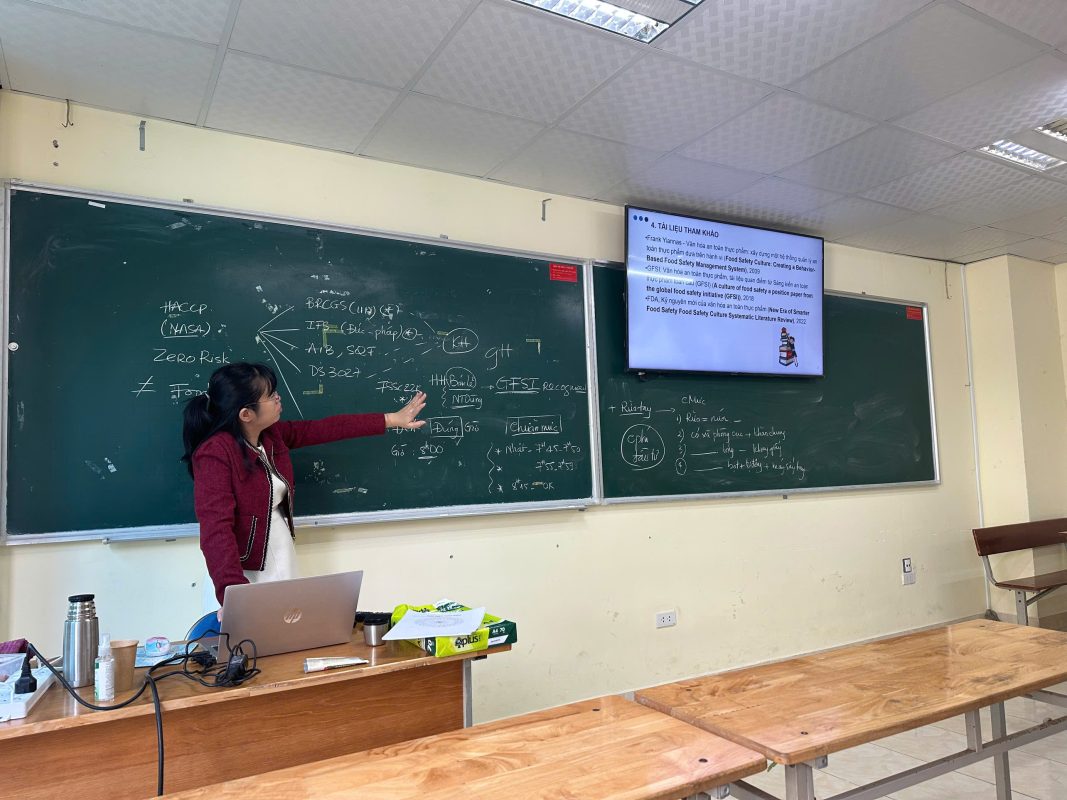
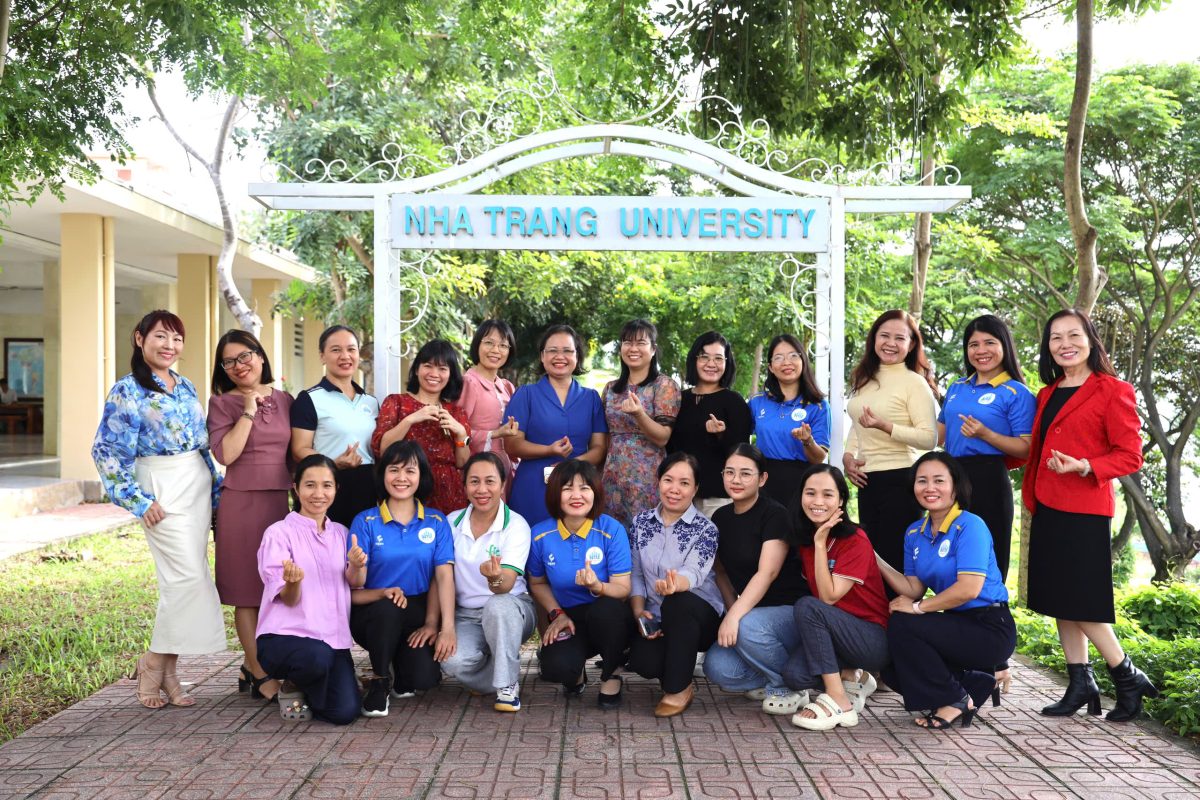
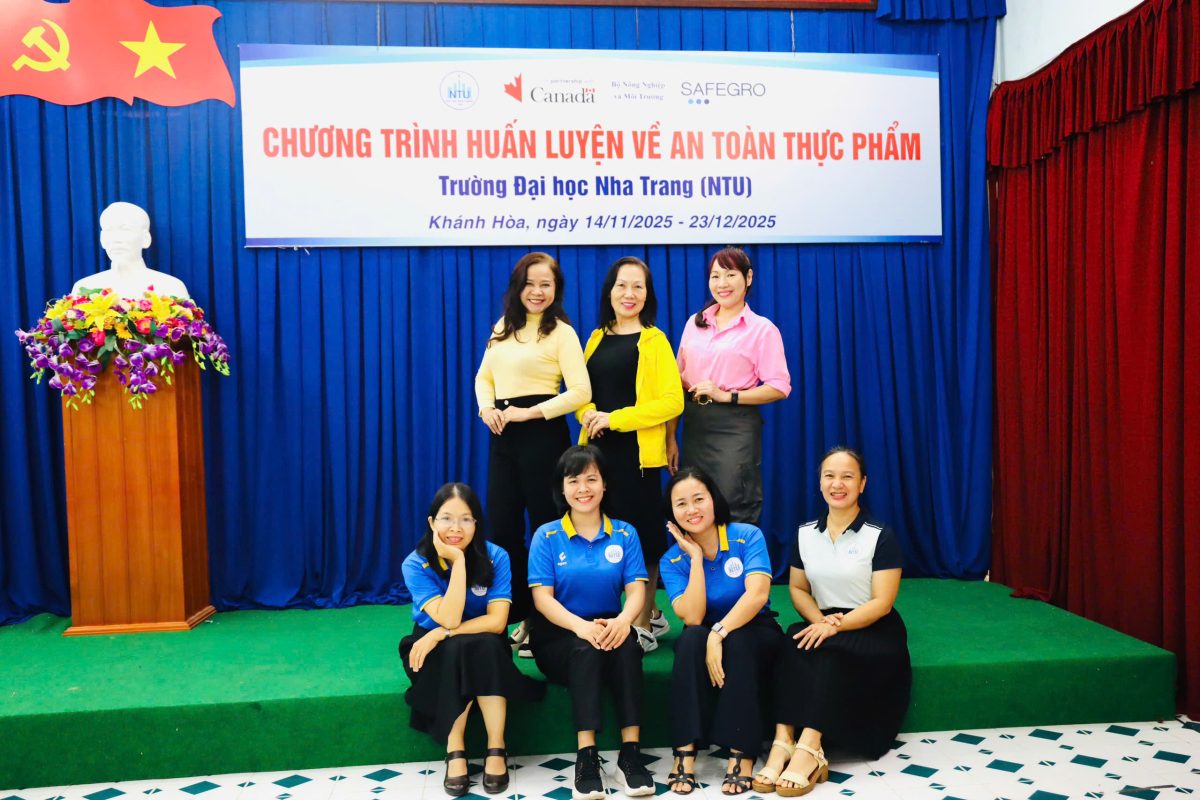
During a food safety culture training course organized by SAFEGRO at Nha Trang University, trainer Lan Nhi offered a simple yet powerful analogy.
“FSMS is like hardware, the machines, procedures, and documents. Food safety culture is the software, the way people think and behave. You may own a very good car, fully equipped with safety features, and be well trained as a driver, but just one moment of carelessness can still cause an accident.”
That comparison goes straight to the heart of the issue. FSMS answers the question “What should be done.” Food safety culture determines “Whether we actually do it,” especially in moments when no one is watching.
An employee who washes their hands because a camera is on, that is compliance.
An employee who washes their hands because they are thinking about the consumer’s health, that is culture.
“Food safety is not only about knowledge,” Lan Nhi emphasized, “it is about behavior.”
For this reason, over the past five years, food safety culture has shifted from being a recommendation to a requirement. The Global Food Safety Initiative (GFSI) has formally integrated food safety culture as a mandatory element in international standards. Globally, there is growing recognition that under pressure from production targets, costs, and deadlines, people are easily tempted to compromise procedures. Only a strong culture can ensure food safety is upheld consistently, even in the most stressful situations.
Perhaps the most thought provoking part of the lecture was what Lan Nhi called “the 99.99% trap.”
In many industries, a 0.01% error rate might be considered an impressive achievement. In food, however, it tells a very different story. “If you sell three million loaves of bread,” she asked, “99.99% safe still means 300 people get food poisoning. And who are those 0.01%? Just faceless numbers in a report, or parents, children, and loved ones like our own?”
When we look at numbers, we see control. When we look at victims, we see responsibility. The mindset of “acceptable small risk” thus becomes the most dangerous silent enemy of food safety.
But how do you manage something as invisible as culture?
The answer is not slogans, but measurement. Companies must turn culture into data, by tracking employee suggestions, monitoring near miss incidents and implemented improvements, observing real behaviors on the shop floor, conducting staff perception surveys, and holding in depth interviews to hear honest voices. One simple but revealing question might be “Would you be willing to buy your company’s product for yourself, or serve it to your parents and children?”
Only when leadership clearly and honestly identifies the gap between what is declared, what is written in procedures, and what is actually happening on the factory floor do improvement plans become meaningful. This may involve changing communication approaches, adjusting reward systems, or, most simply yet most difficult of all, leading by example.
Ultimately, food safety culture is not a short term project, but a long journey, moving from “having to do” to “wanting to do.” As Lan Nhi concluded in the class,
“We do not need culture just to obtain certification. We need culture so we can sleep well at night, knowing that the products we make are truly safe for consumers, including our own beloved families.”