Vietnam draws on Canada’s experience in an era of information disorder
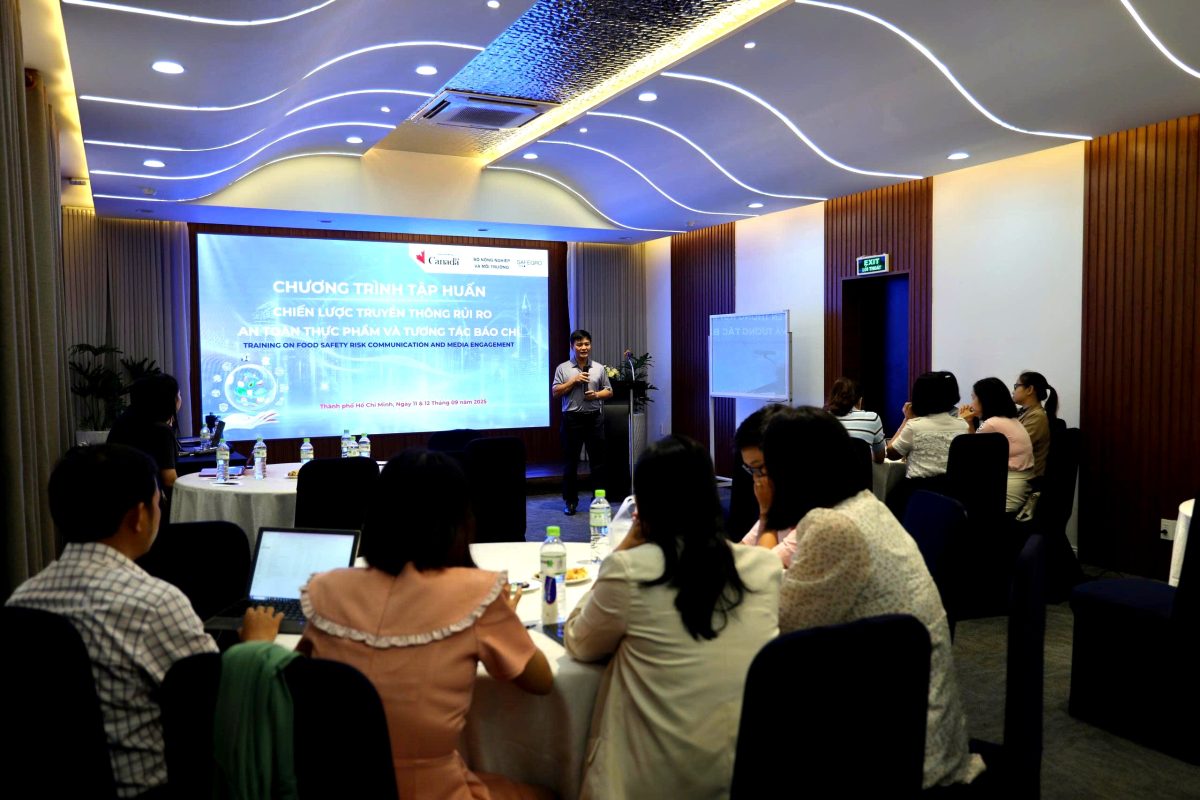
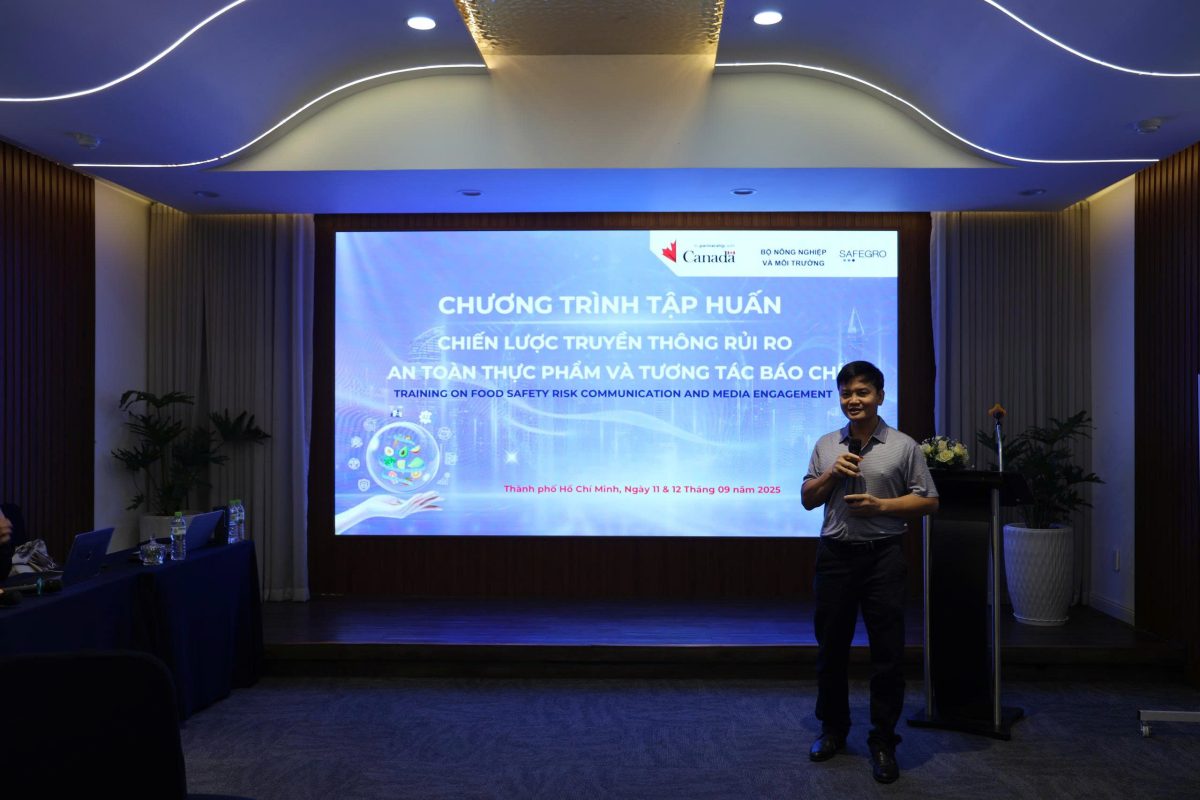
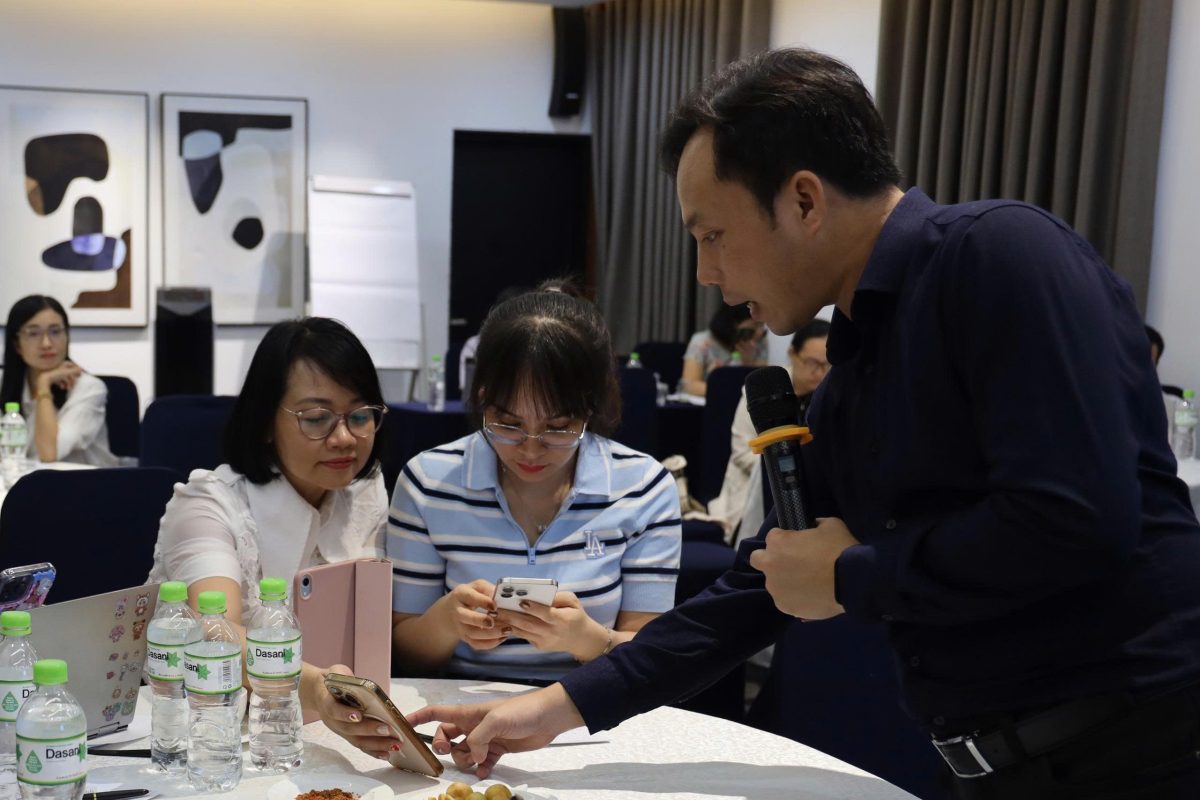
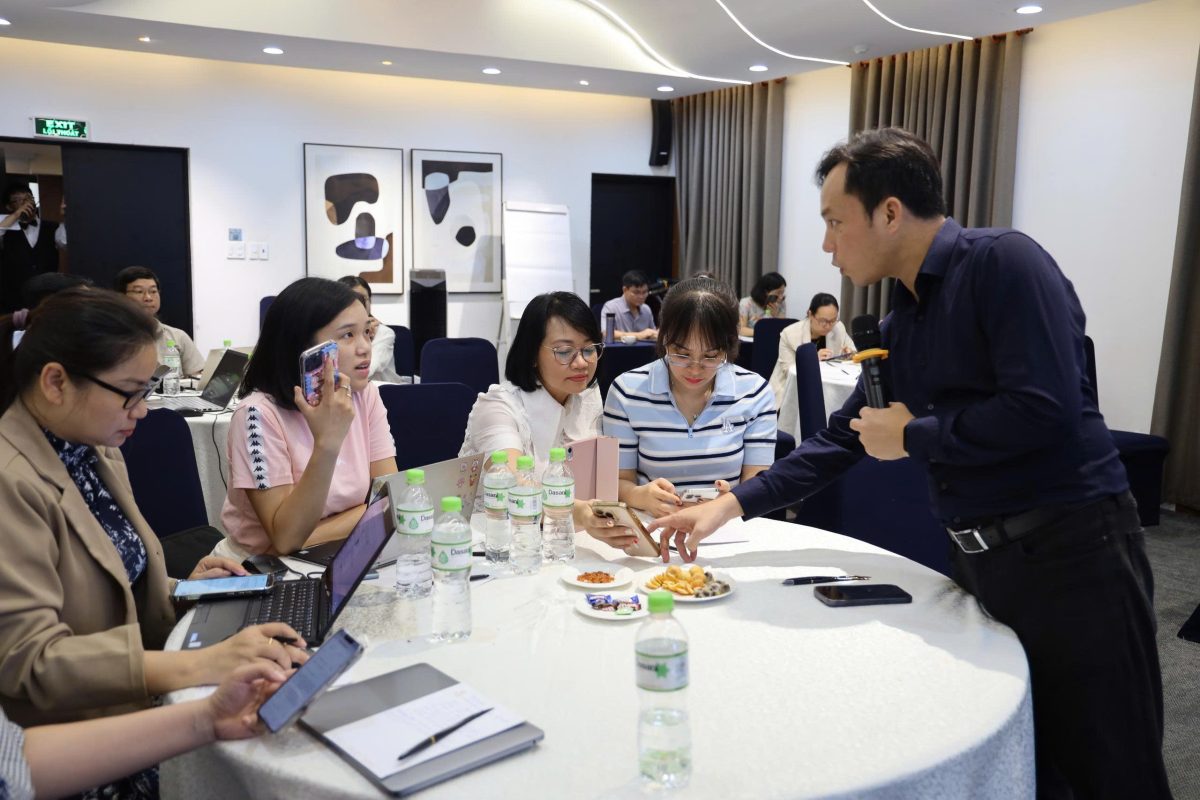
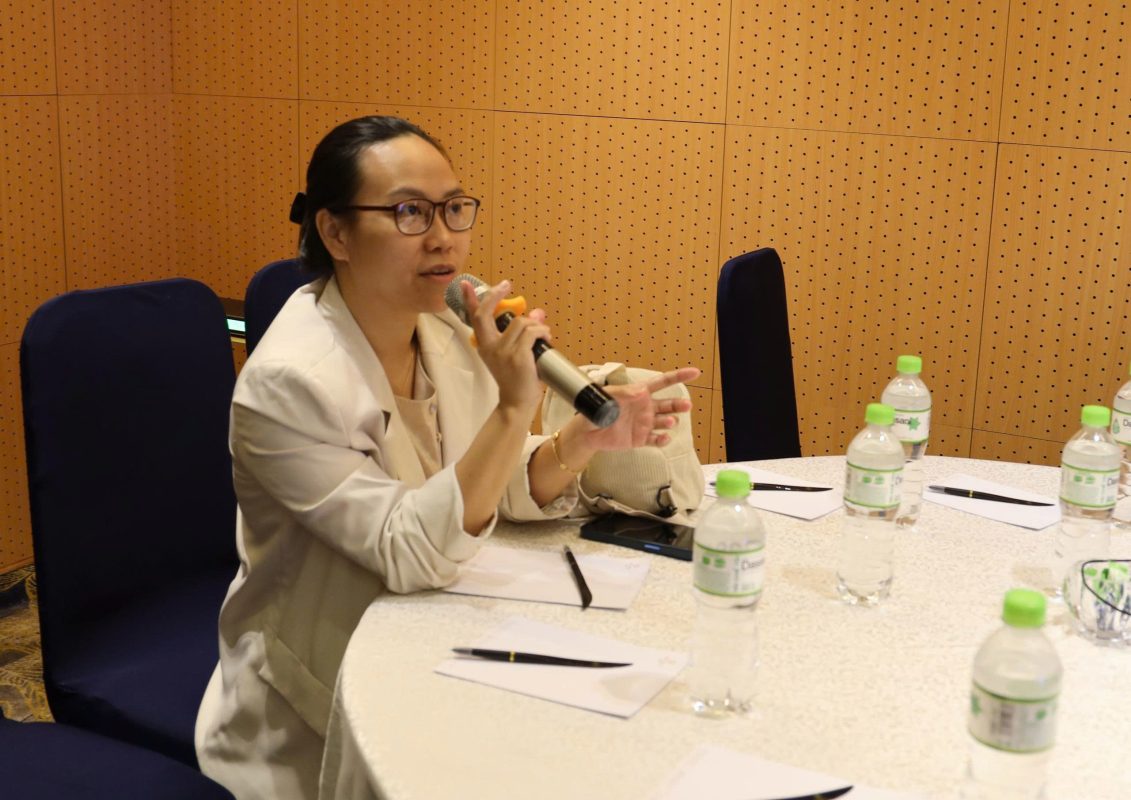
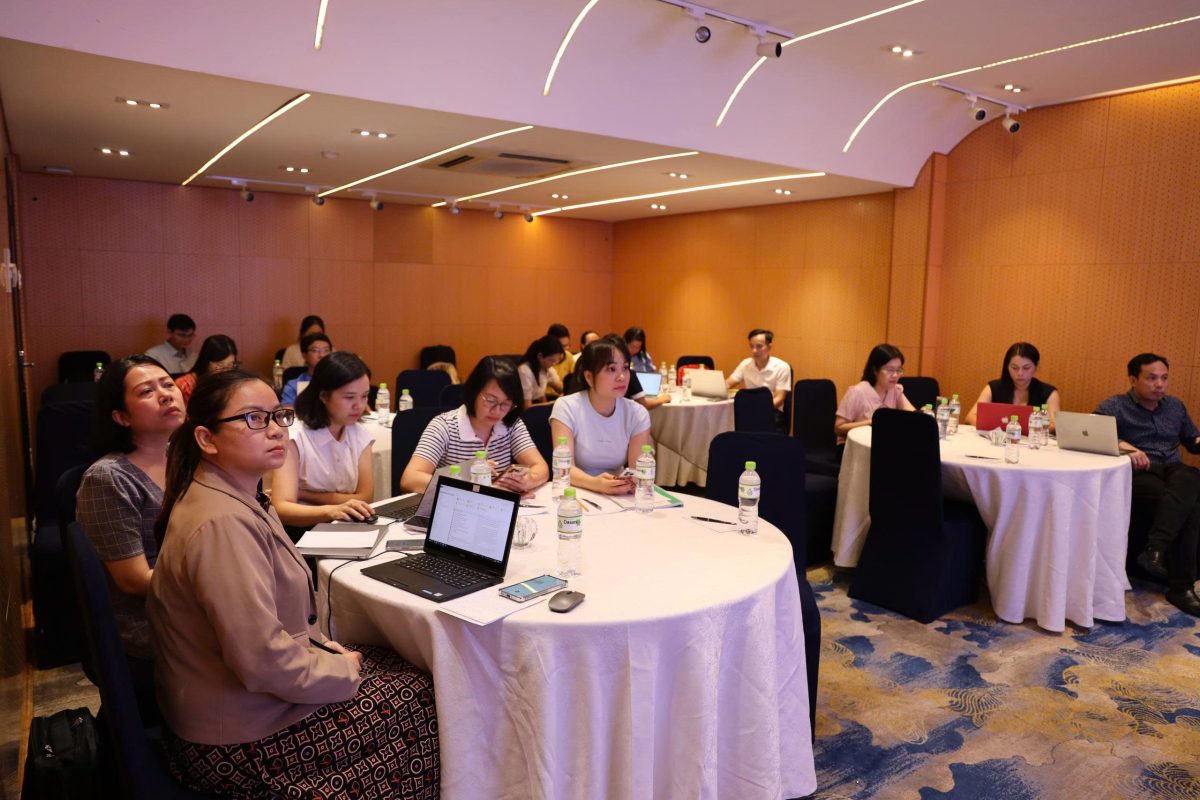
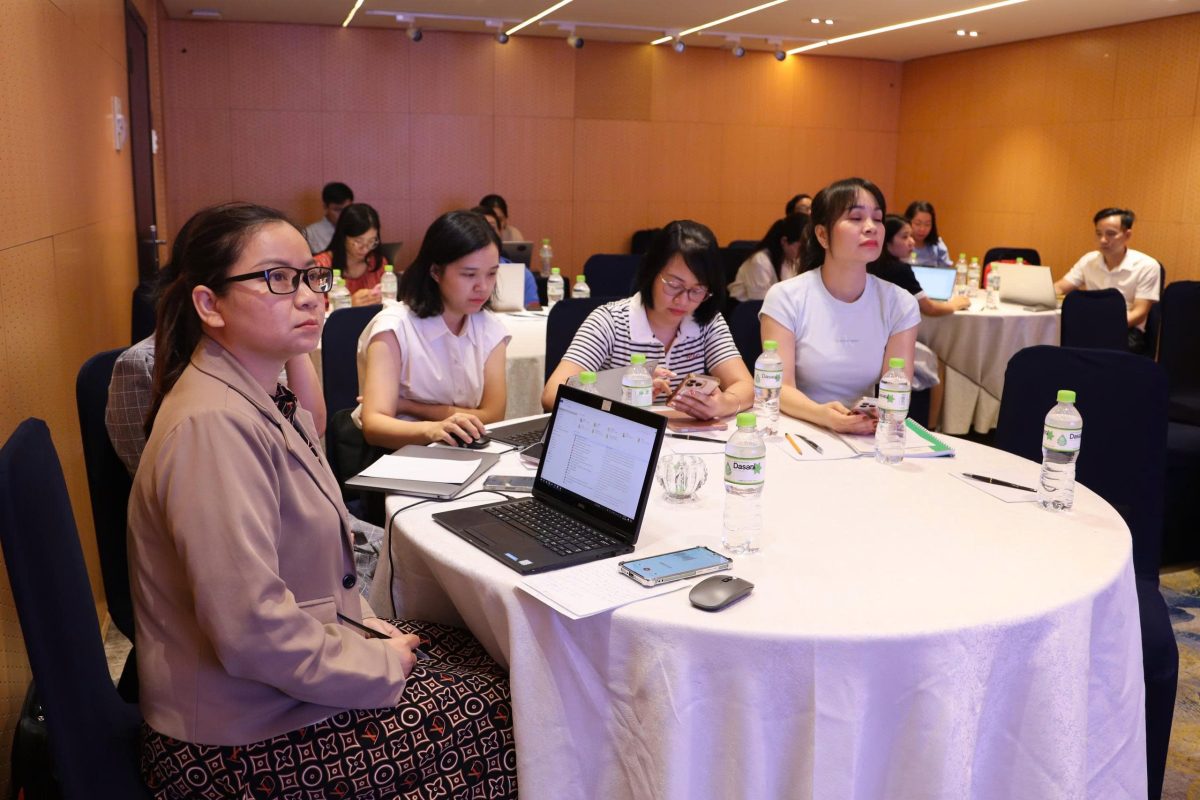
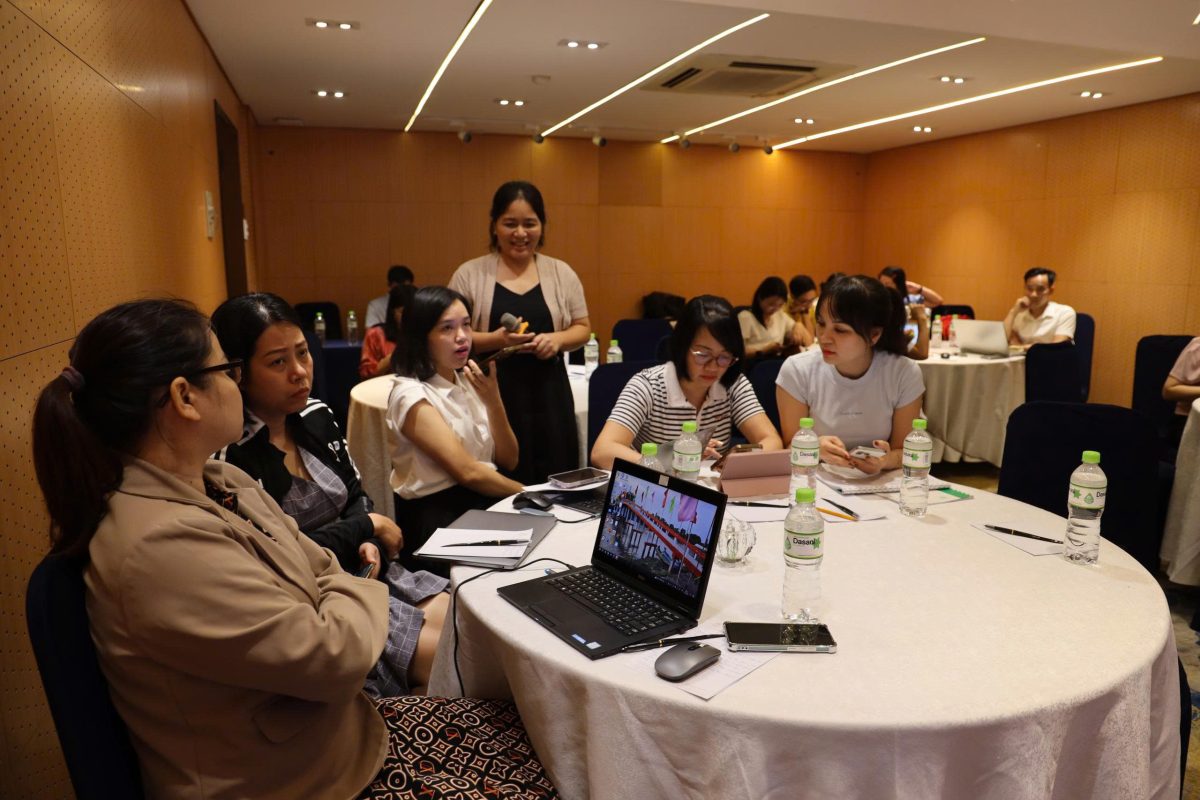
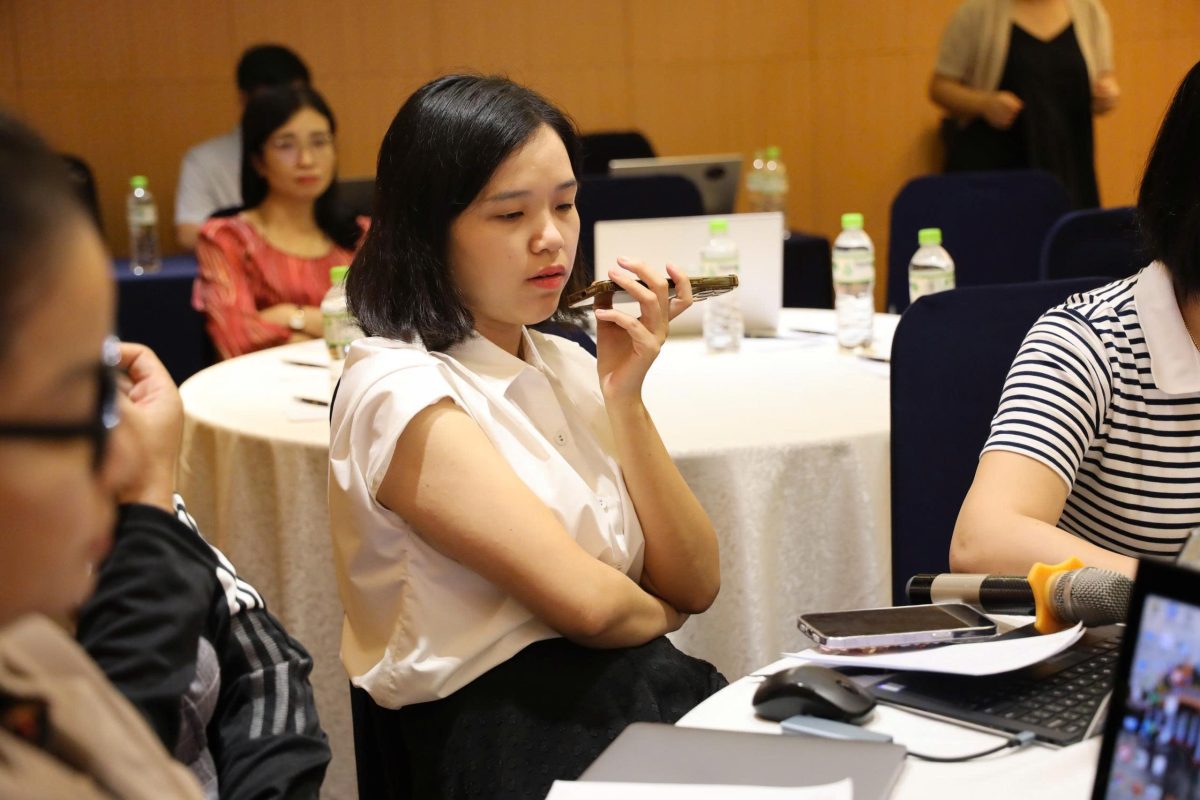
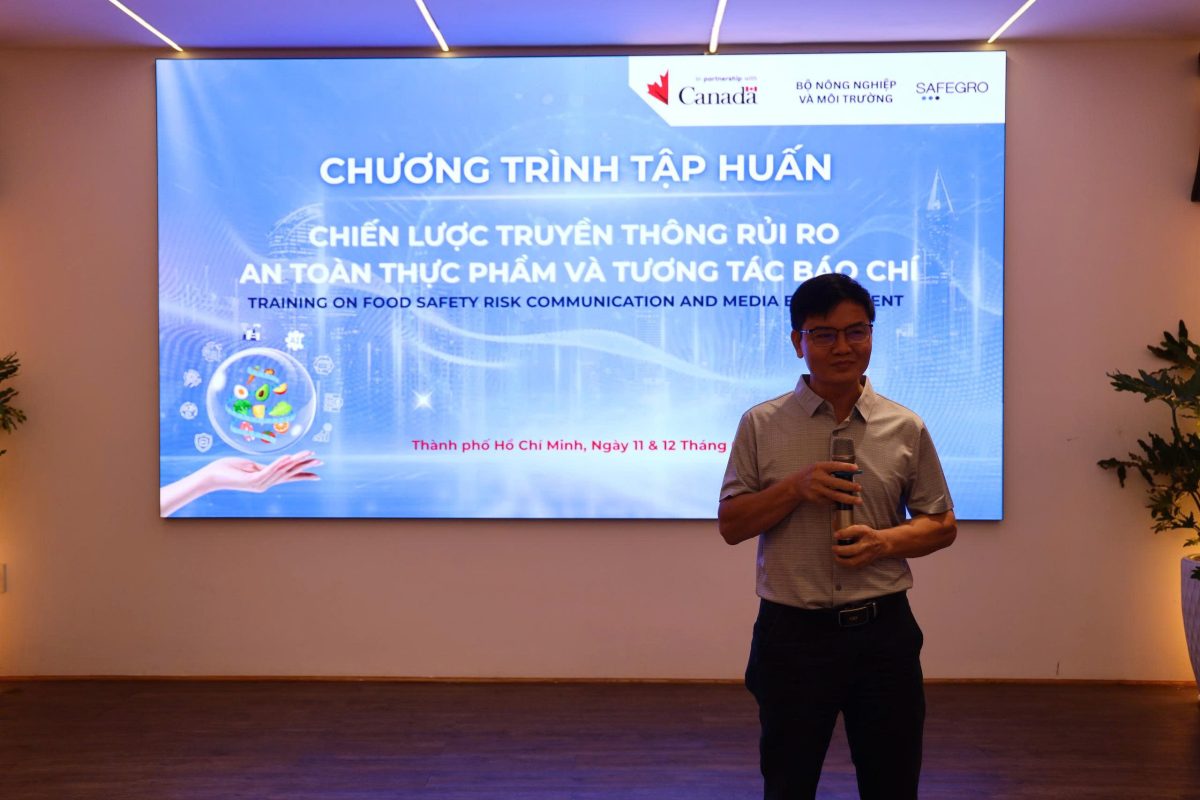
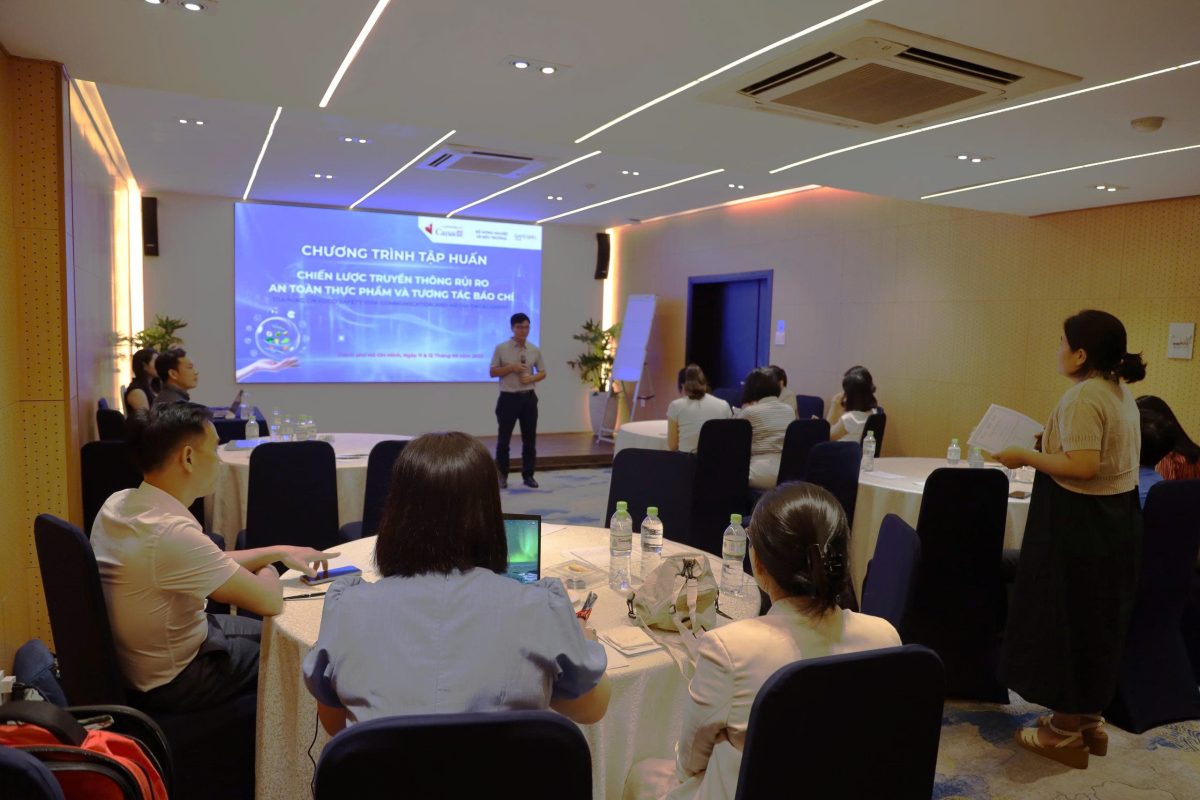
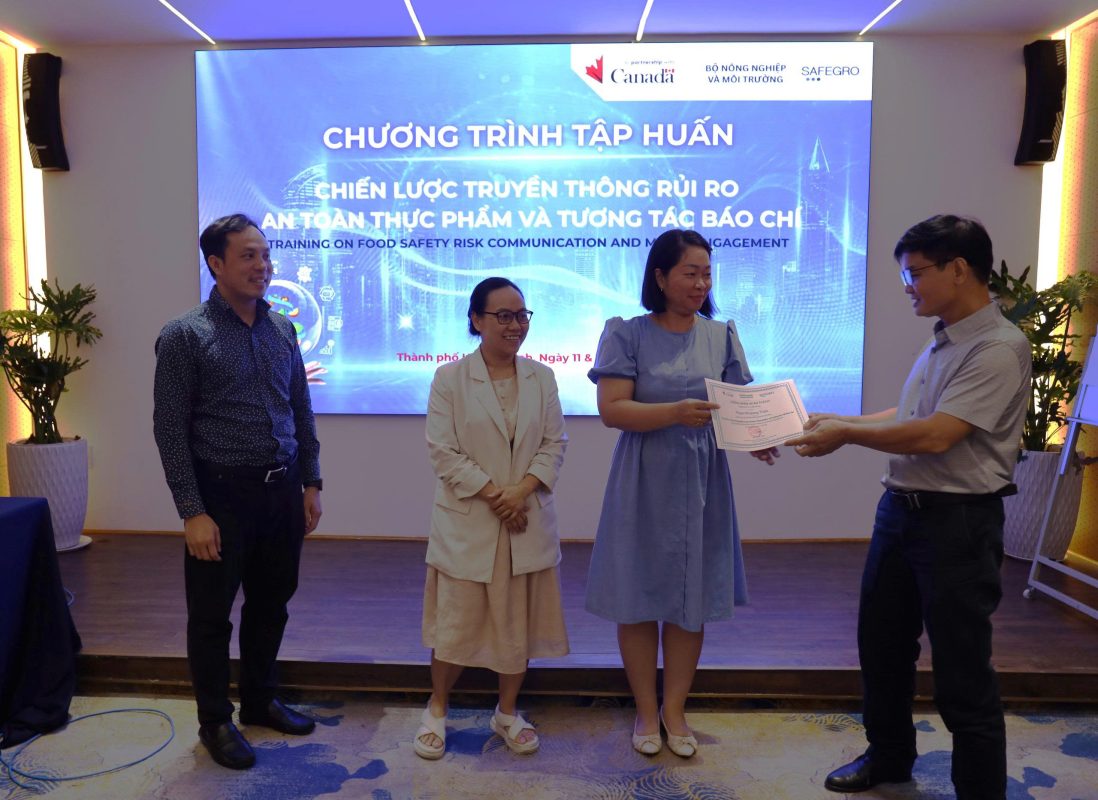
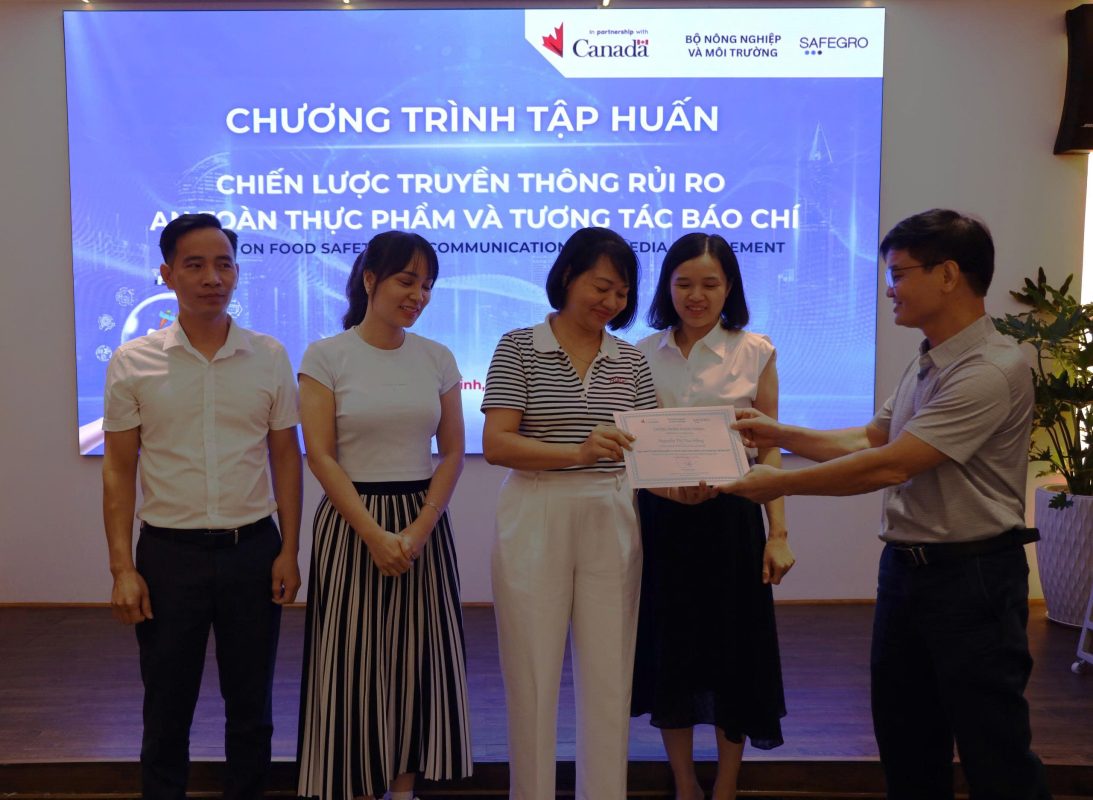
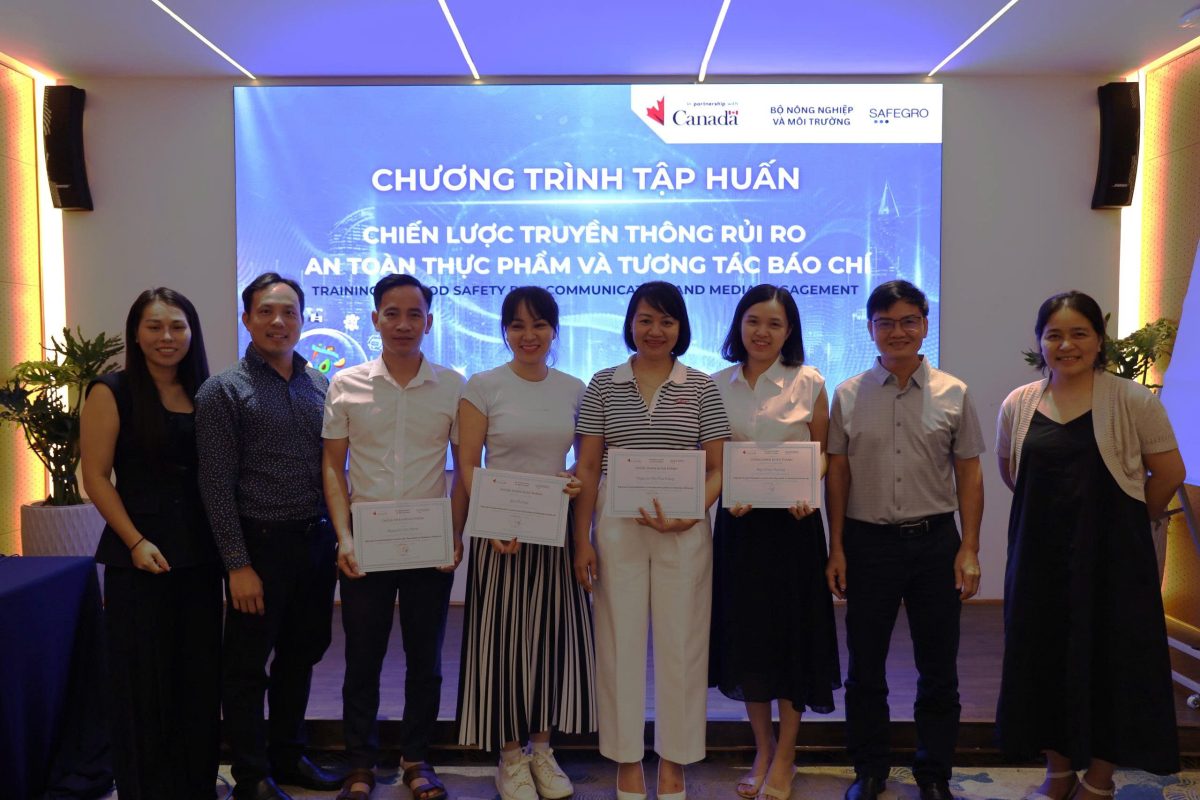
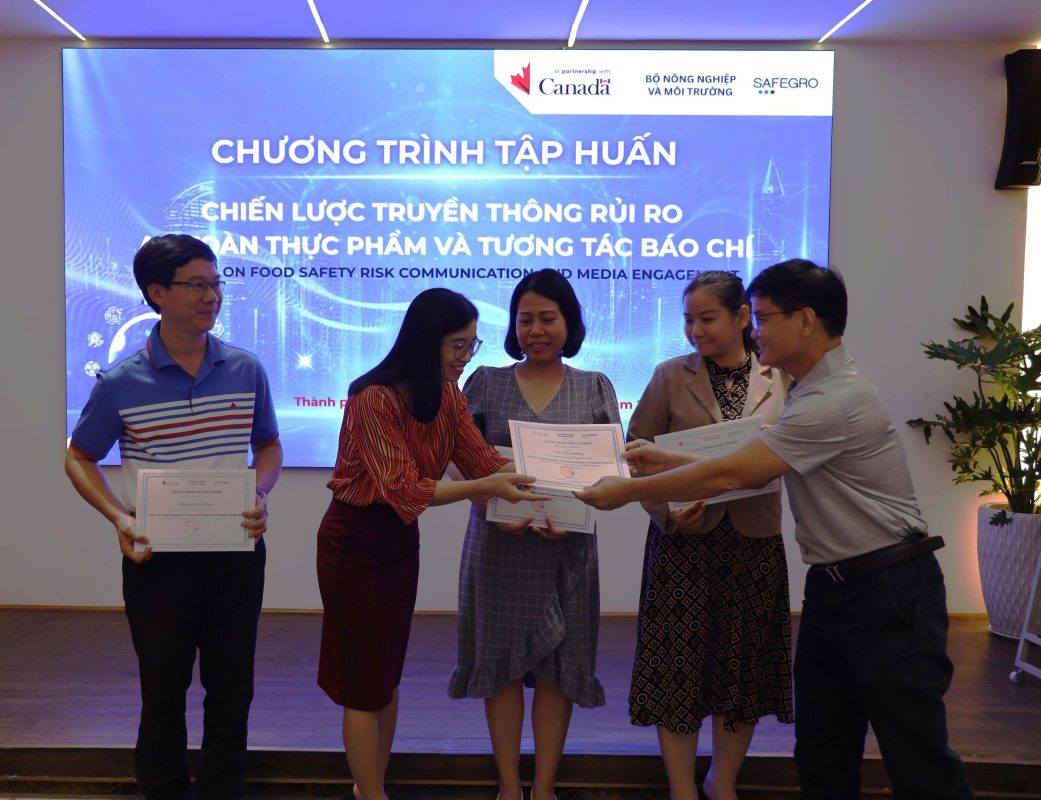
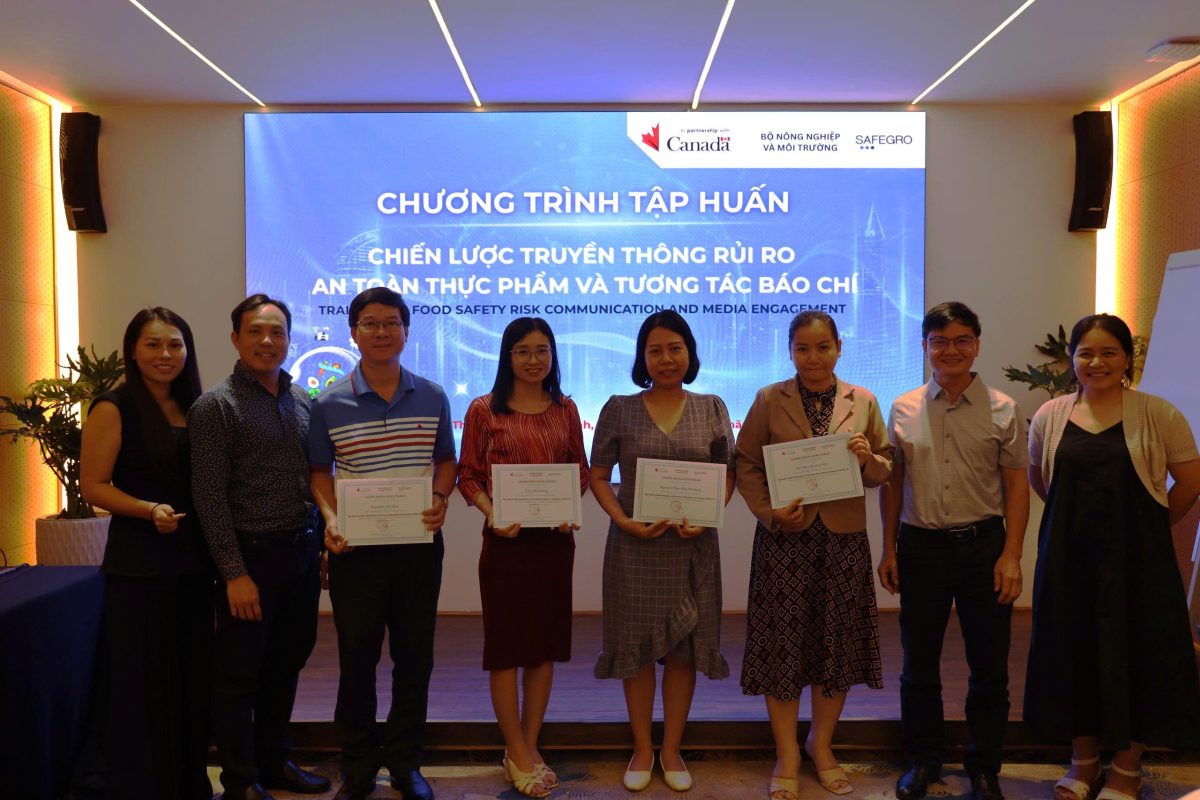
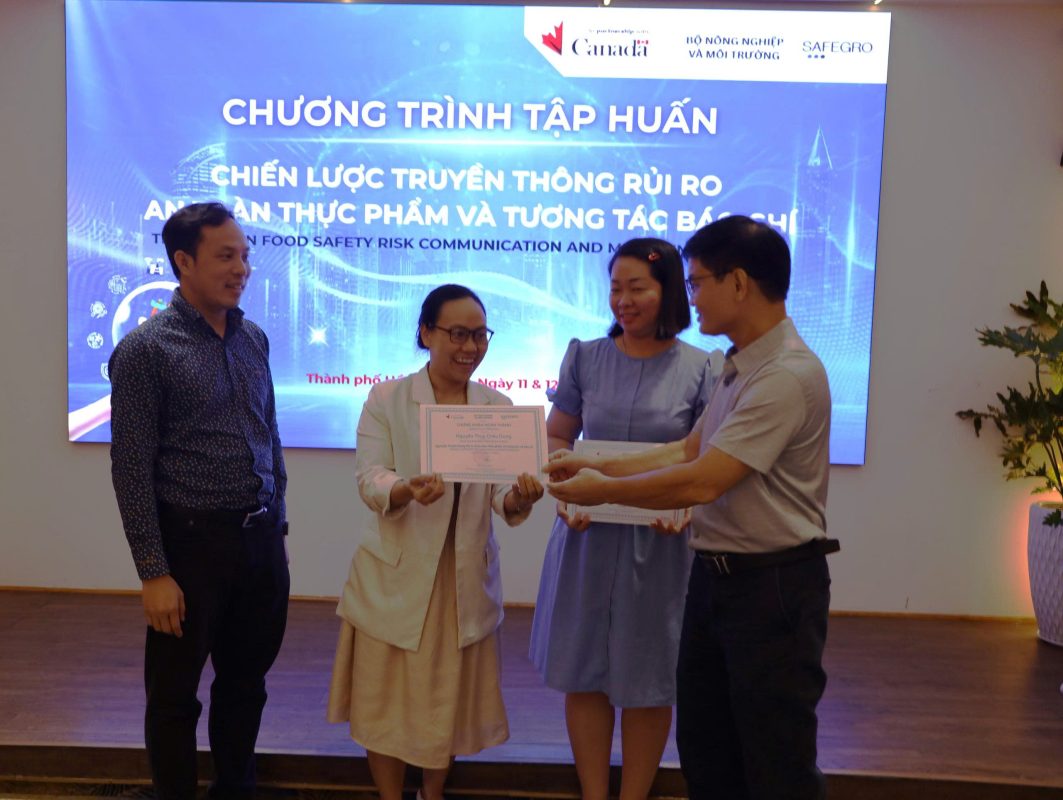
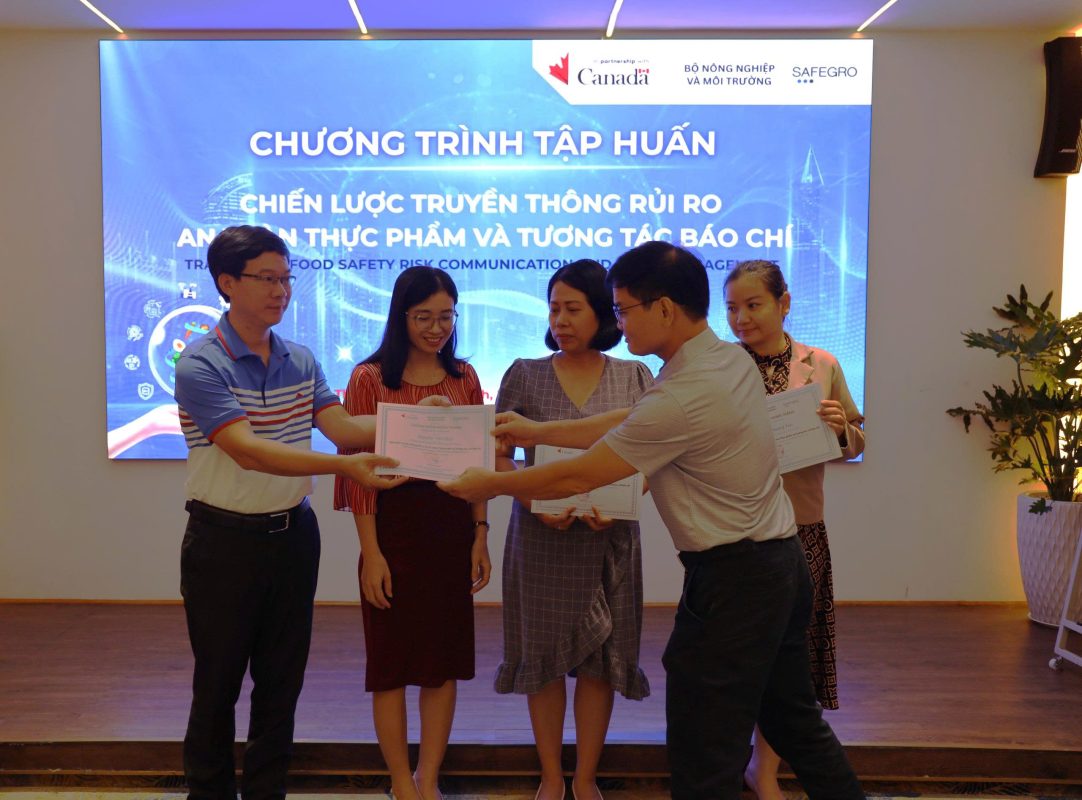
On September 11 and 12 in Ho Chi Minh City, a compact training course lasting less than two days opened a much larger conversation about the future of food safety. Organized by the SAFEGRO Project, the workshop aimed to equip Vietnamese officials and communicators with new skills in risk communication, a discipline that has become increasingly vital in today’s turbulent information landscape.
Here, participants not only revisited the seven principles of risk communication recommended by FAO and WHO but also encountered, for the first time in this setting, a promising tool reshaping communications worldwide: artificial intelligence.
When AI Becomes a “Silent Assistant”
Throughout the training, instructors demonstrated how AI can accompany officials at every stage of their work, from analyzing audiences and shaping messages to producing content across multiple channels. Tools such as ChatGPT, Gemini, and Google’s NotebookLM emerged as “silent assistants,” capable of suggesting ideas, drafting video scripts, designing infographics, and even generating concise and targeted messages for social media.
One participant reflected after the exercise: “AI helps us save time, but more importantly, it gives us confidence. Instead of struggling for hours with a draft, we can now focus on refining and validating the message.”
The lesson was clear: AI is no magic wand and cannot replace human expertise. It only unlocks its true potential when placed in the hands of professionals who understand the science, grasp the context, and empathize with the cultural nuances of their audiences.
Canada’s Lessons from a Fractured Information Landscape
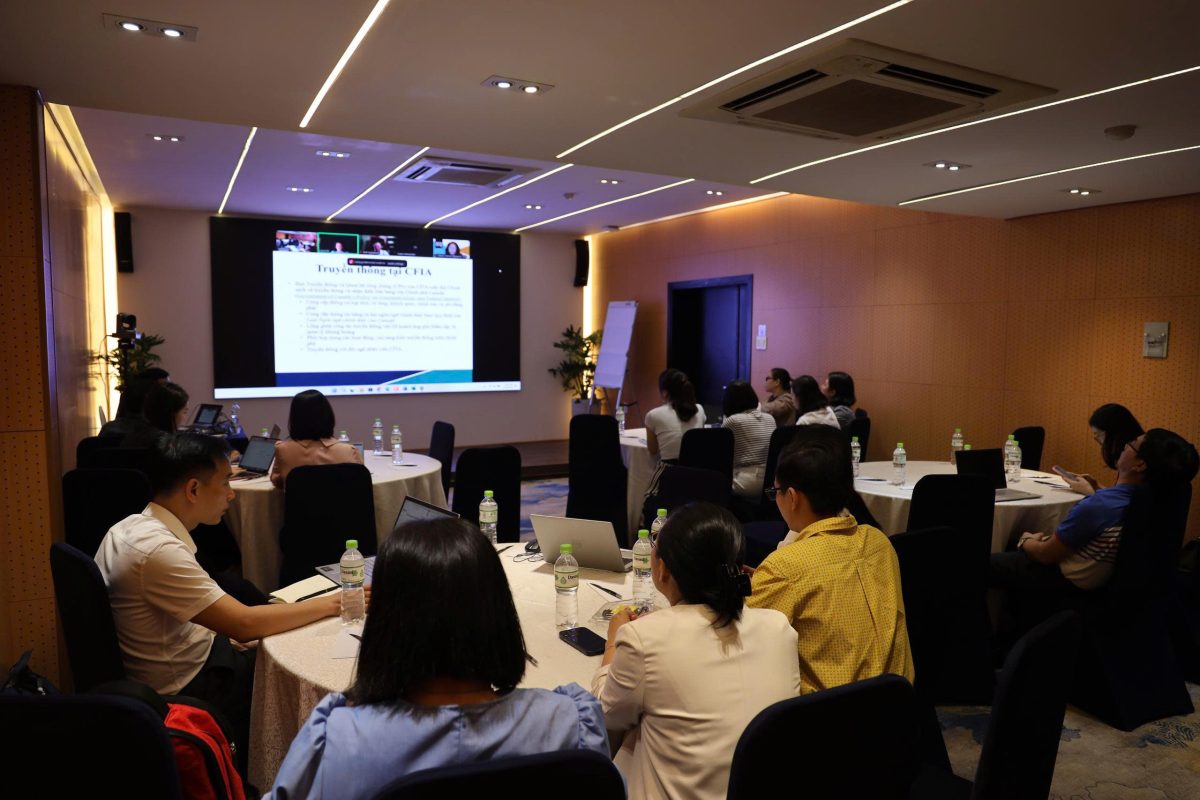
If AI provided participants with new tools, the presentation by a Communications Advisor at the Canadian Food Inspection Agency (CFIA) offered a perspective on the broader battlefield of risk communication.
According to the CFIA representative, public trust in government and traditional media has been steadily eroding. Social media, amplified by bots and AI-driven content, has created an overwhelming flow of information, some of it inaccurate or harmful. She noted that in a 2023 survey, two in five Canadians felt it was harder to distinguish between true and false news or information compared to 2020. This underscores the urgency of the challenge.
The CFIA regularly confronts all three forms of information disorder: disinformation, deliberate falsehoods designed to mislead; misinformation, inaccuracies spread without harmful intent; and malinformation, facts distorted in ways that sow confusion or fear.
CFIA uses a risk communication approach alongside its technical work of safeguarding food, animals, and plants for the well-being of Canada’s people, environment, and economy. This approach demands communication that is transparent, timely, accessible, and focused on the needs of stakeholders. During the outbreak of highly pathogenic avian influenza in U.S. dairy cattle, CFIA did not wait for speculation to spread at home. It issued proactive statements, clarified surveillance measures, and explained preventive steps. For CFIA, risk communication is about giving stakeholders the information they need to make decisions for their business, family, or community before a risk becomes a reality.
Practical Lessons for Vietnam
From these experiences, a set of practical recommendations was offered. Preparation is key: agencies must develop scenarios and messages before crises emerge, not in their aftermath. Complex scientific information must be distilled into plain and relatable language.
She emphasized the need to diversify communication channels, not only through mainstream media and social networks but also via local radio, printed posters, or face-to-face community meetings. “Sometimes the most low-tech solutions, the simplest conversations, have the greatest impact,” she remarked, highlighting the importance of reaching even the most remote communities.
Vietnam was also encouraged to leverage its existing networks such as inspectors, professional associations, farmers’ unions, and women’s groups, all trusted messengers who can amplify accurate and persuasive information. Above all, she stressed, multilateral cooperation across levels of government, research institutions, and international partners is essential to ensure consistent messages and to reinforce public trust.
A Shared Journey Between Vietnam and Canada
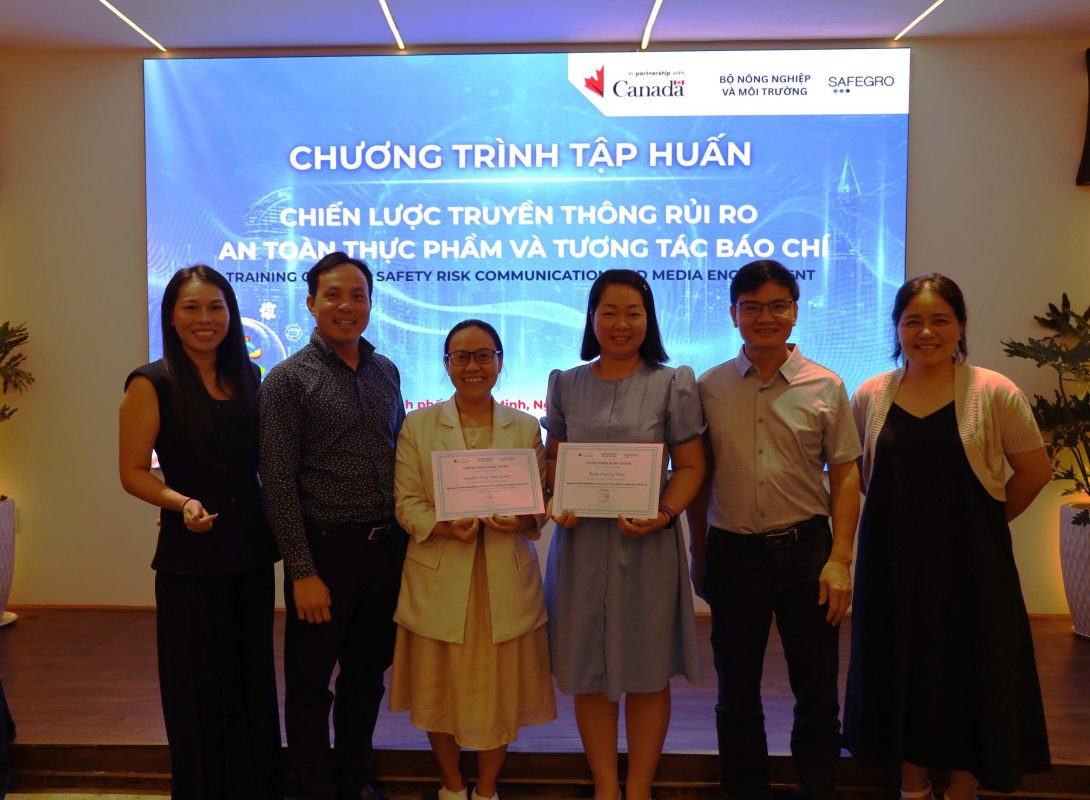
The training session may have lasted less than two days, but its impact will extend far longer. Participants left not only with new knowledge of AI and the principles of risk communication, but with a sense of being part of something larger: a shared story of collaboration between Vietnam and Canada, made possible through the convening efforts of SAFEGRO.
In an age where food must be defended not only against pathogens but also against the viruses of misinformation, the lesson is unmistakable: AI will not replace human judgment, but it can empower it. And when that power is placed in the hands of dedicated officials, combined with CFIA’s international experience and the spirit of bilateral cooperation, trust, the most precious asset in food safety governance, can be safeguarded and renewed.